
“The 2026 Academic Lecture Series on Lighting Technology Innovation and Industrial Upgrading – Zhengzhou Station” was successfully held.
On the afternoon of September 13, the “2026 Lighting Technology Innovation and Industrial Upgrade Academic Lecture Series – Zhengzhou Station,” hosted by the Henan Provincial Lighting Society and organized by China Light All-Media, was successfully held in Zhengzhou. Grounded at a pivotal juncture where the lighting industry is transitioning from traditional “illumination” toward “smart, healthy, and green” solutions, the event featured in-depth discussions on topics such as AI-driven lighting innovation, the development and practical application of smart technologies, health standards, green energy efficiency, and pathways for industrial upgrading. The event brought together leaders from industry associations, research experts, corporate technical specialists, lighting designers, engineering integrators, and other stakeholders across the supply chain, creating a platform for deep collaboration among academia, industry, research, and end-users, thereby supporting high-quality innovation and development within the lighting sector in the Central Plains region.
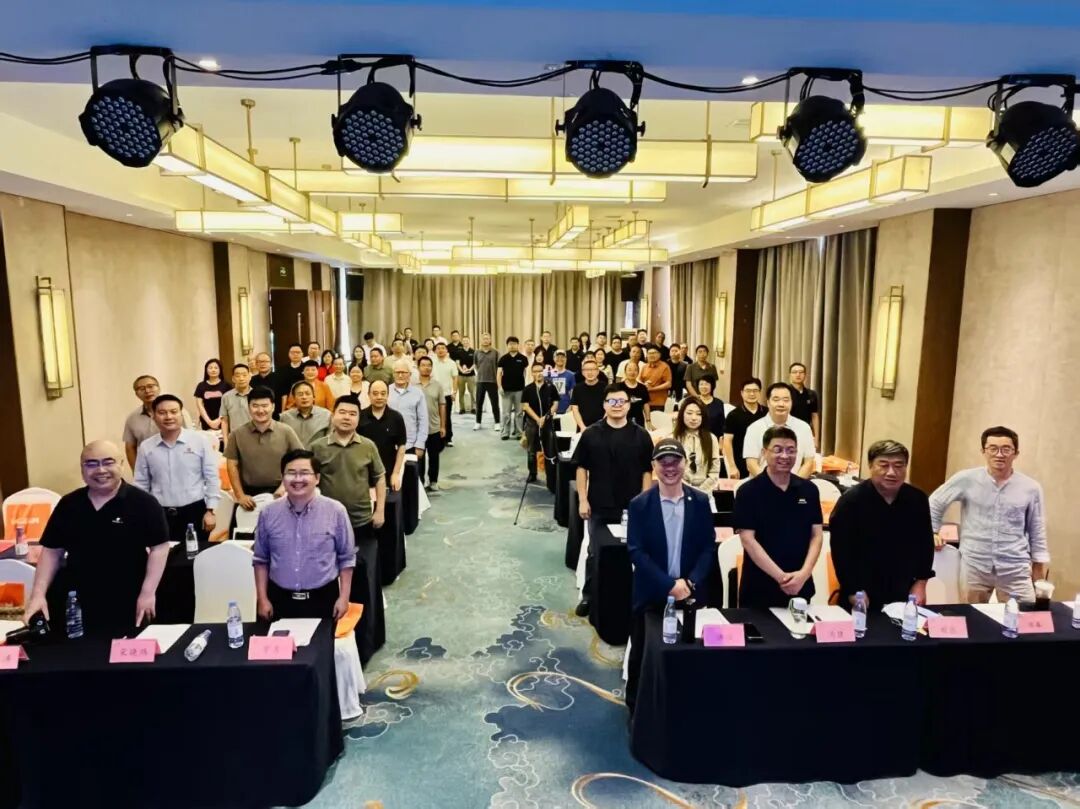
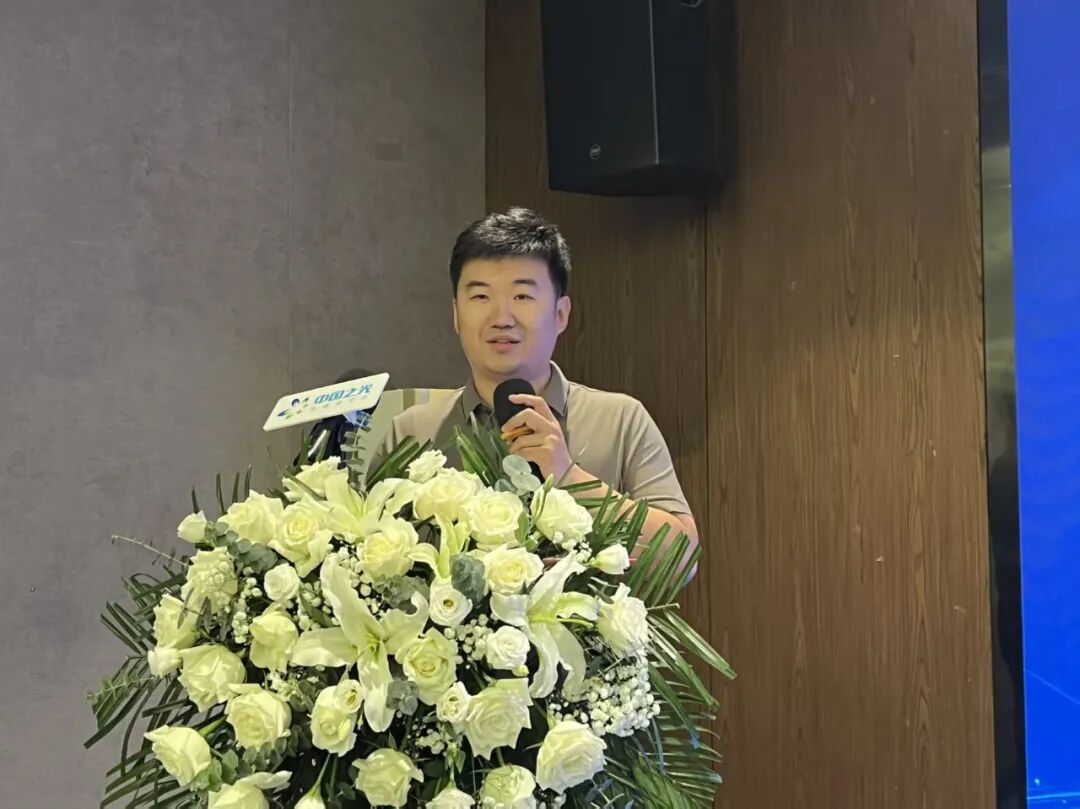
The event was co-hosted by Wang Haiquan, Chairperson of the Display and Imaging Professional Committee of the Henan Provincial Lighting Society, and Hong Bing, Editor-in-Chief of China Light All-Media and Executive Dean of Ming Classroom.
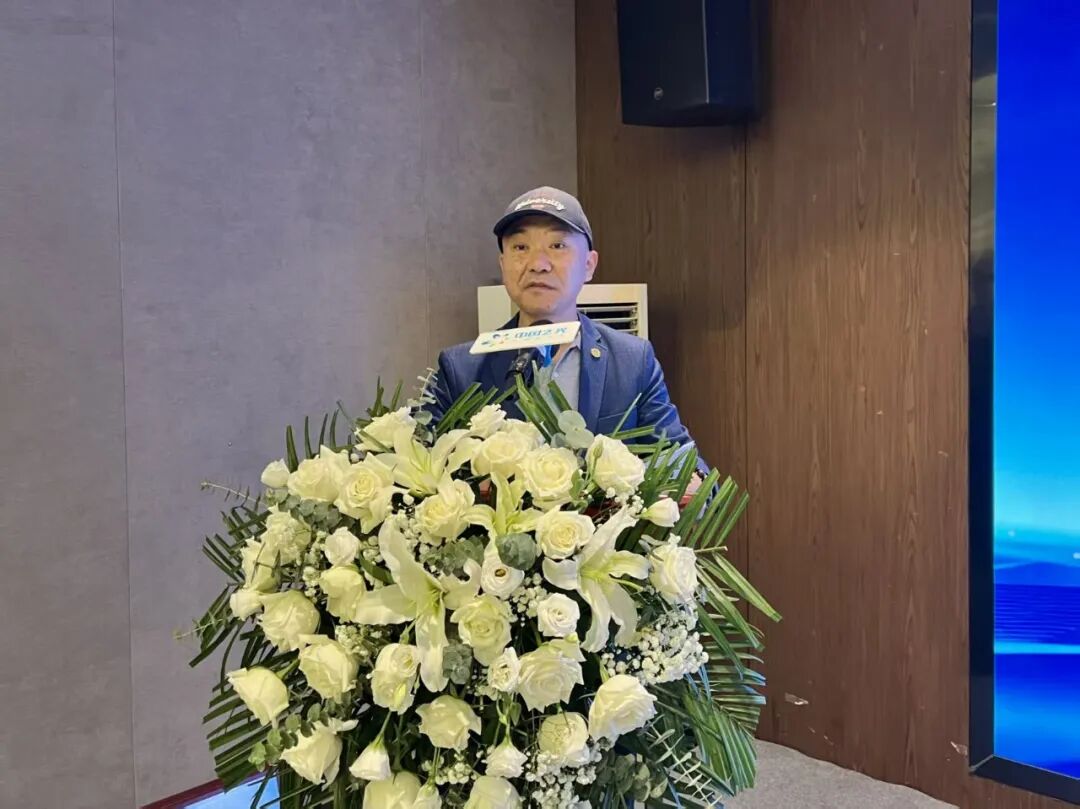
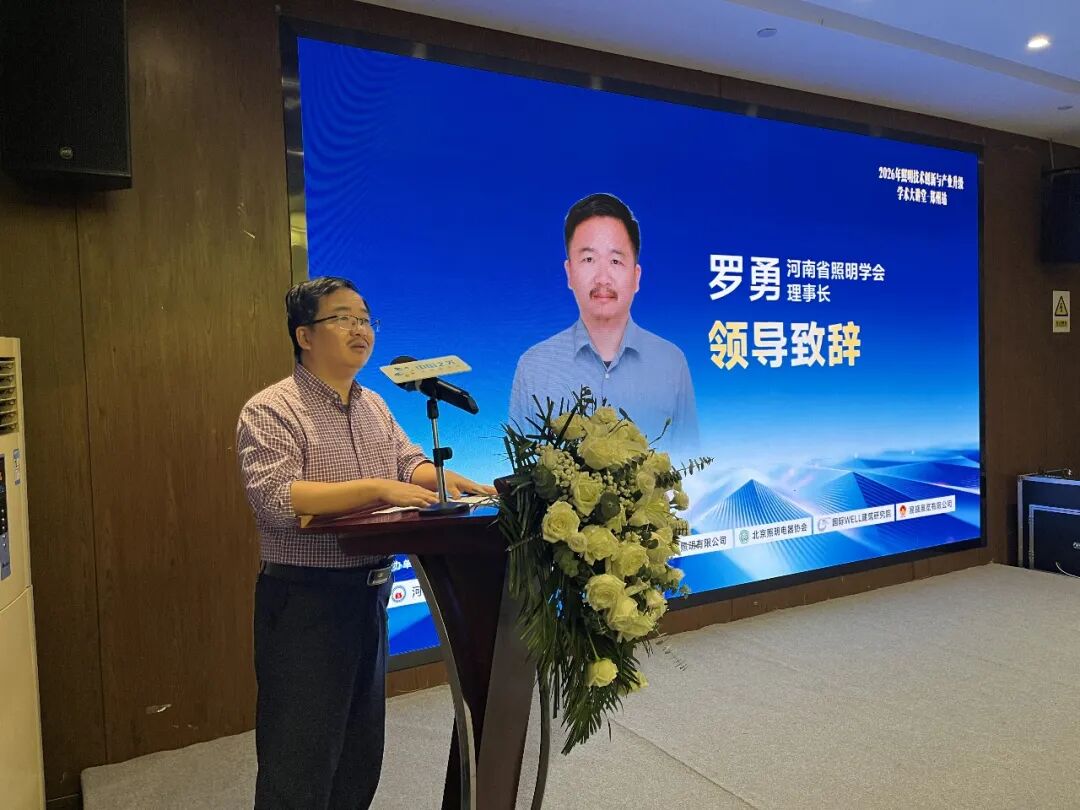
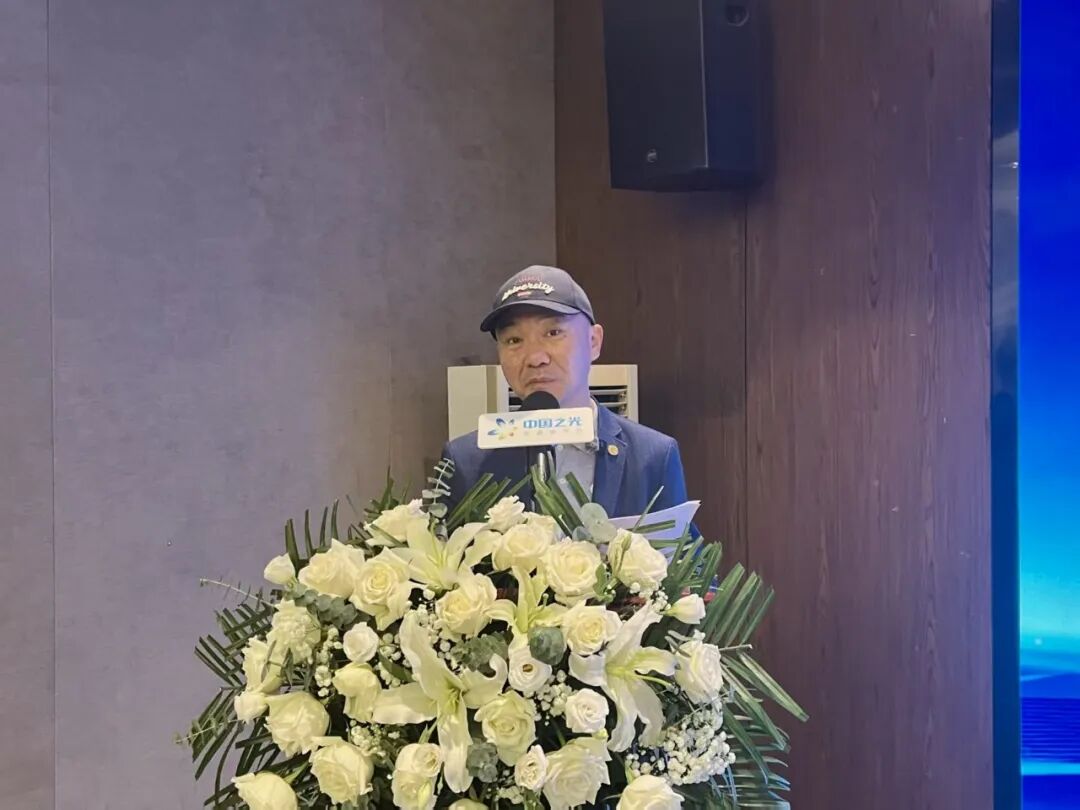
At the opening, Luo Yong, President of the Henan Provincial Lighting Society, delivered a welcoming address. He noted that the lighting industry currently faces pressing challenges, including saturated demand for conventional products, tightened investment in local urban lighting projects, and extended payment cycles, urging companies to make rational decisions. However, he also emphasized that smart, mid-to-high-end products with technological value, eye-care and age-friendly/child-friendly lighting that prioritize human-centric health, and unique applications tailored to specific scenarios are demonstrating strong market vitality. Furthermore, overseas premium markets represent significant growth opportunities. He particularly highlighted the need to integrate lighting deeply with AI and human health considerations, expanding cross-disciplinary applications in fields such as healthcare, agriculture, and education. Luo Yong also outlined the series of achievements the Henan Provincial Lighting Society has attained over the past two years as a five-star society under the provincial science and technology association, affirming the society’s commitment to an academic foundation and enterprise-oriented service, continuously enhancing member and industry support, and striving to become a nationally influential, exemplary professional organization.
In his welcome remarks, Hong Bing, Editor-in-Chief of China Light All-Media and Executive Dean of Ming Classroom, stated that the industry stands at a critical historical juncture—shifting from mere product manufacturing toward system integration and holistic solutions. The explosive advancement of AI technology presents unprecedented opportunities and challenges. As a long-standing bridge connecting industry players, China Light All-Media remains dedicated to ensuring that new technologies, concepts, and products take root through face-to-face, in-depth exchanges. He expressed special gratitude to the Henan Provincial Lighting Society for its trust, as well as to Zhuosheng Lighting, the Beijing Lighting Electrical Appliances Association, the International WELL Building Institute, Yisheng Exhibition, and others for their substantial support of this event.
During the keynote session, five experts presented a comprehensive vision of healthy, intelligent, and green lighting—from design and products to standards and industry trends.
Feng Jian, Vice President of the Henan Provincial Lighting Society, delivered a speech titled “Healthy Lighting Design in the AI Era,” advocating a shift in lighting design philosophy: moving from “what we can produce” to “what people truly need,” and upgrading from simply selling luminous flux to delivering verifiable spatial value. He provided a systematic interpretation of GB/T 46119—2025, “Dose Effects of Non-Visual Biological Responses of Light on the Human Eye,” emphasizing that key indicators of a healthy light environment include melanopic equivalent daylight illuminance (m-EDI) and circadian stimulation values (CS), while underscoring the importance of rigorous, vertical-axis measurements during acceptance testing. He shared a 24-hour home lighting formula and proposed time-based zoning strategies for children, seniors, and individuals with neurodiversity, reminding designers to incorporate screen blue light into intelligent system management. Additionally, Feng Jian stressed that healthy lighting must establish a complete closed-loop system encompassing “light source–control–space–eye position–measurement verification.” Without this verification component, “healthy lighting” risks becoming little more than marketing rhetoric, and even smart lighting may merely amount to pseudo-intelligence enhanced with Wi-Fi connectivity.
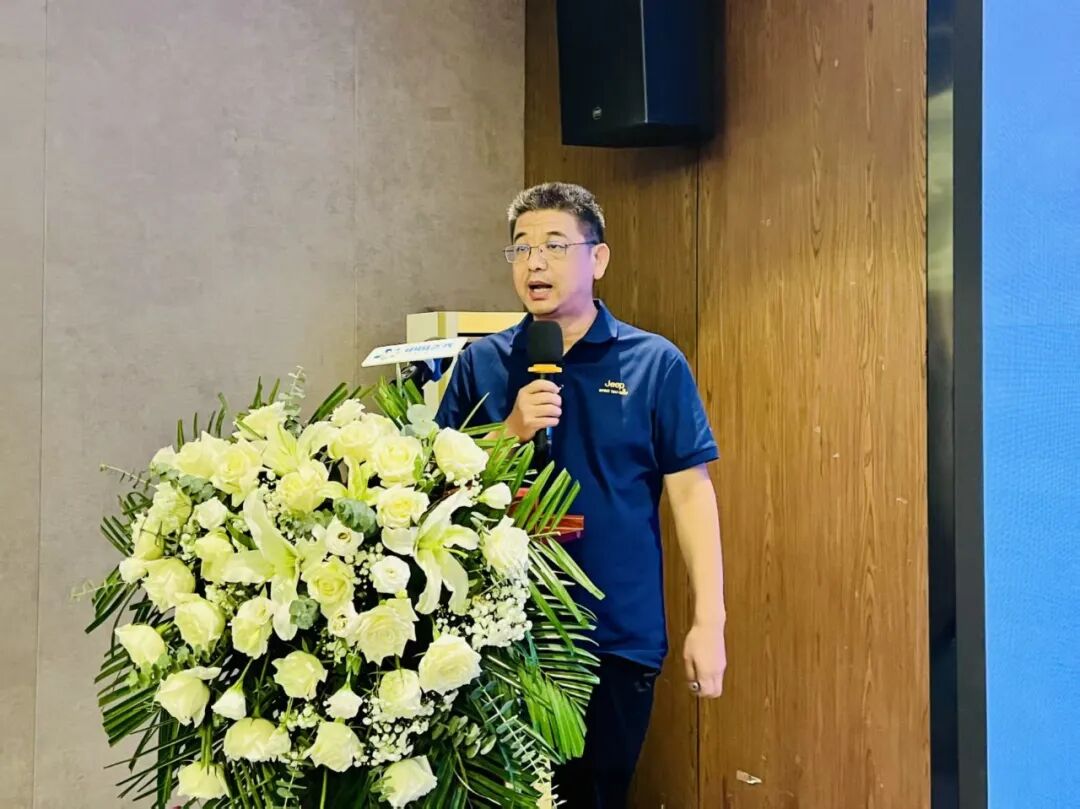
Bian Fang, Head of Smart Products at Zhuosheng Lighting, presented “Osram’s Smart Lighting Solutions.” He detailed the “Zhi Xun” series of IoT-enabled energy-saving luminaires, which leverage 5.8 GHz/24 GHz radar sensing, mesh self-organizing networks, and AI-driven self-learning capabilities across the entire product line. Featuring advantages such as “no wiring changes required, just replace lamps, decentralized operation, and single-lamp failure does not affect the whole system,” these lights achieve up to 80% energy savings. Moreover, modular Fusion hosts, SymphoVI centralized dimming systems, and SymphoHPLC carrier systems cater respectively to flexible local deployments, hotel and commercial dimming needs, and long-distance integrated systems, forming a complete product matrix ranging from individual lamps to centralized control. Drawing on real-world project data, the presentation compared selection criteria between new construction and retrofit projects, providing valuable guidance for design institutes and engineering integrators.
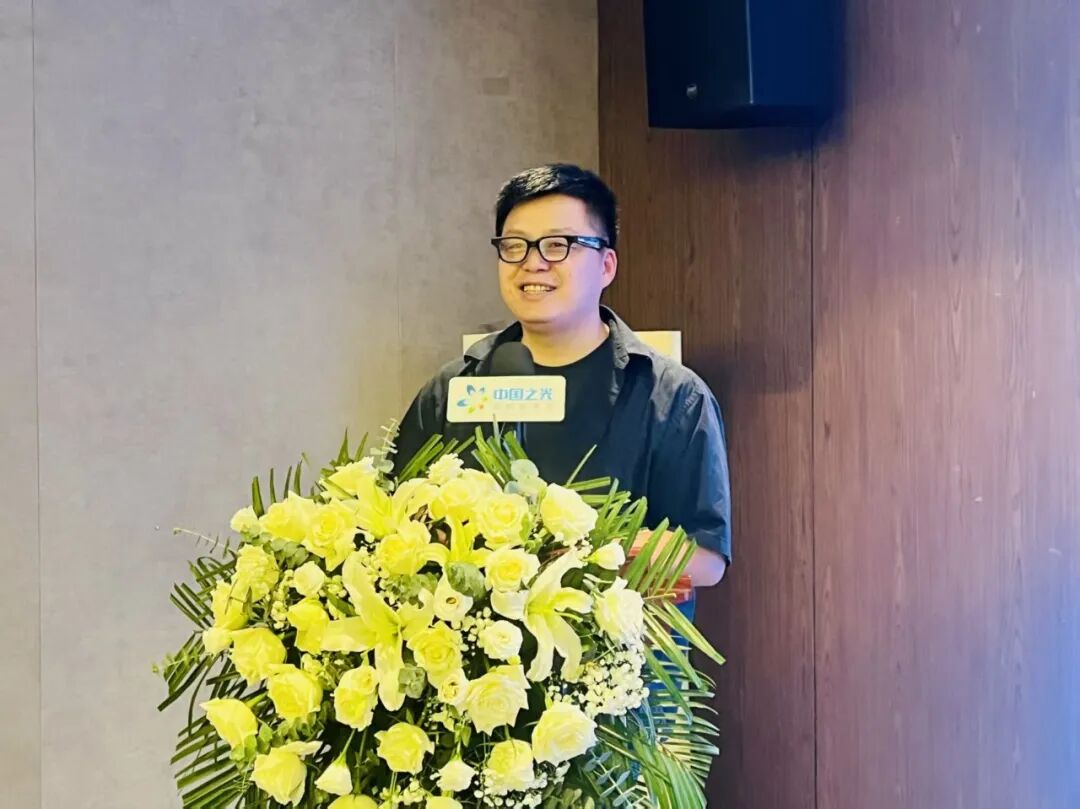
Li Junwei, Senior Technical Support Engineer at Zhuosheng Lighting, shared insights on “Osram’s Dynamic Lighting Control System Solutions.” Based on practical experience from landmark skyscrapers and city-scale illumination projects—including Shanghai Tower and Wuhan’s Two Rivers and Four Shores—he introduced TRAXON e:cue, a dynamic architectural lighting control system. This system balances expressive lighting effects, multi-layered security encryption, and user-friendly human-machine interfaces, supports rapid updates of program content, and offers rich open APIs such as DALI and KNX, enabling seamless integration with third-party building management and control platforms. The presentation also introduced SYMPHOCity, a smart city central management platform capable of switching lighting scene modes, remotely collecting energy consumption data, monitoring equipment status, and issuing proactive fault alerts, while leaving room for additional IoT sensor interfaces. These features provide a software-hardware integrated roadmap for large-scale dynamic lighting and citywide illumination management. From products to case studies, the presentation showcased Zhuosheng Lighting/Osram’s ability to scale from single-building dynamic lighting to synchronized, cross-river and cross-mountain city-level displays.
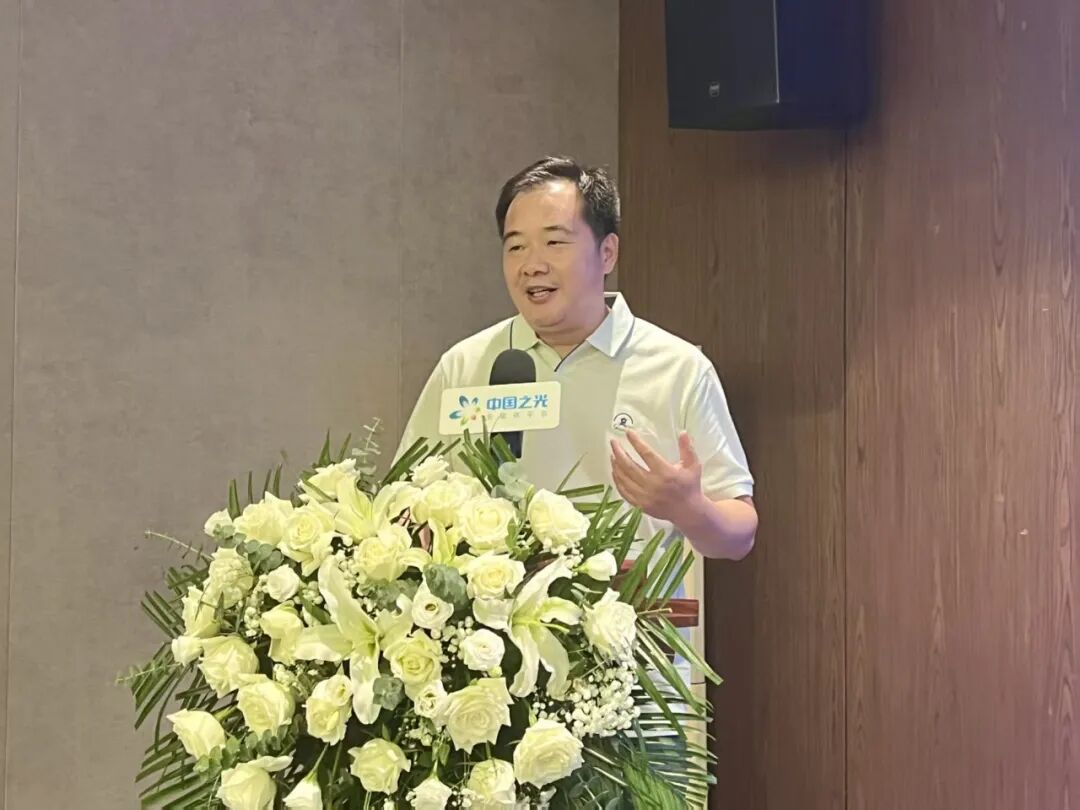
Song Yi, Vice President of the International WELL Building Institute for China, delivered a presentation titled “WELL Health Building Standards Empowering the Lighting Industry.” She systematically reviewed key components of the WELL lighting framework, including natural daylighting, visual lighting design, circadian rhythm lighting, glare control, daylight strategies, and simulations, comparing them against acceptance criteria such as color rendering index, color temperature, unified glare values, flicker, and melanopic equivalent illuminance. Using case studies, she demonstrated how WELL certification has been widely adopted in offices, hotels, schools, and health communities, highlighting financial incentives and policy support offered in Chengdu’s Qingyang District, Shenzhen, and Shanghai’s Hongqiao area for WELL-certified projects. She further explored pathways for the lighting industry to leverage WELL standards in enhancing buildings’ ESG value, providing reference points for lighting companies and design firms seeking to enter the healthy building supply chain.
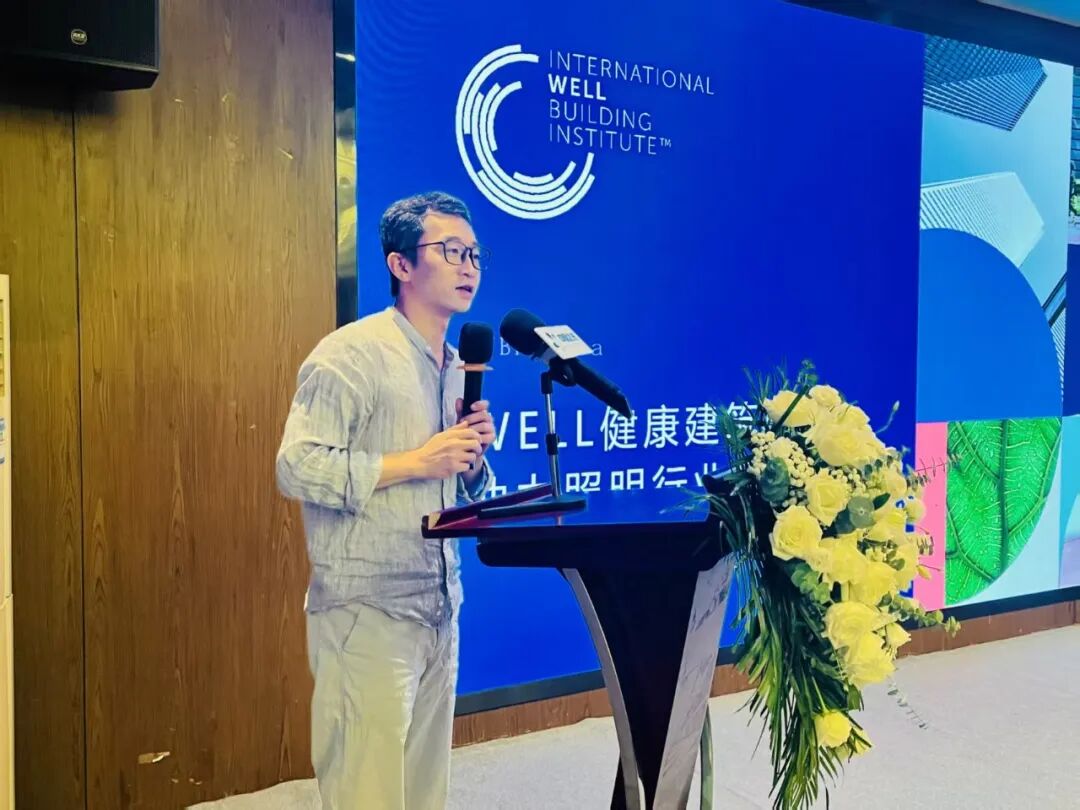
Hong Bing, Editor-in-Chief of China Light All-Media and Executive Dean of Ming Classroom, presented a special report titled “Research on the Future Development of Healthy and Intelligent Lighting.” The analysis spanned multiple dimensions, including current industry conditions and market trends, smart health lighting, demonstration cases, and key technological frameworks. Drawing on scientific findings related to human circadian rhythms, he interpreted both the visual and non-visual biological effects of light, mapping out key indicators within domestic and international health lighting standards such as GB 55038‑2025 and WELL v2. He highlighted benchmark cases like Beijing’s Zhonghai Financial Center’s “Zero-Carbon + Healthy Lighting,” London’s newly sunlit windowless office space, and Prague’s VFN Hospital’s circadian rhythm lighting, synthesizing a technical framework characterized by “circadian spectrum + intelligent control + direct photovoltaic storage + full-process acceptance.” He recommended that companies treat standards, testing, scenario data, and operational platforms as core barriers to productization, forecasting three major future directions for the industry: “health and low-carbon dual-core focus, AI-powered digital twins enabling personalized light formulas, and mutual recognition and widespread implementation of standards.”
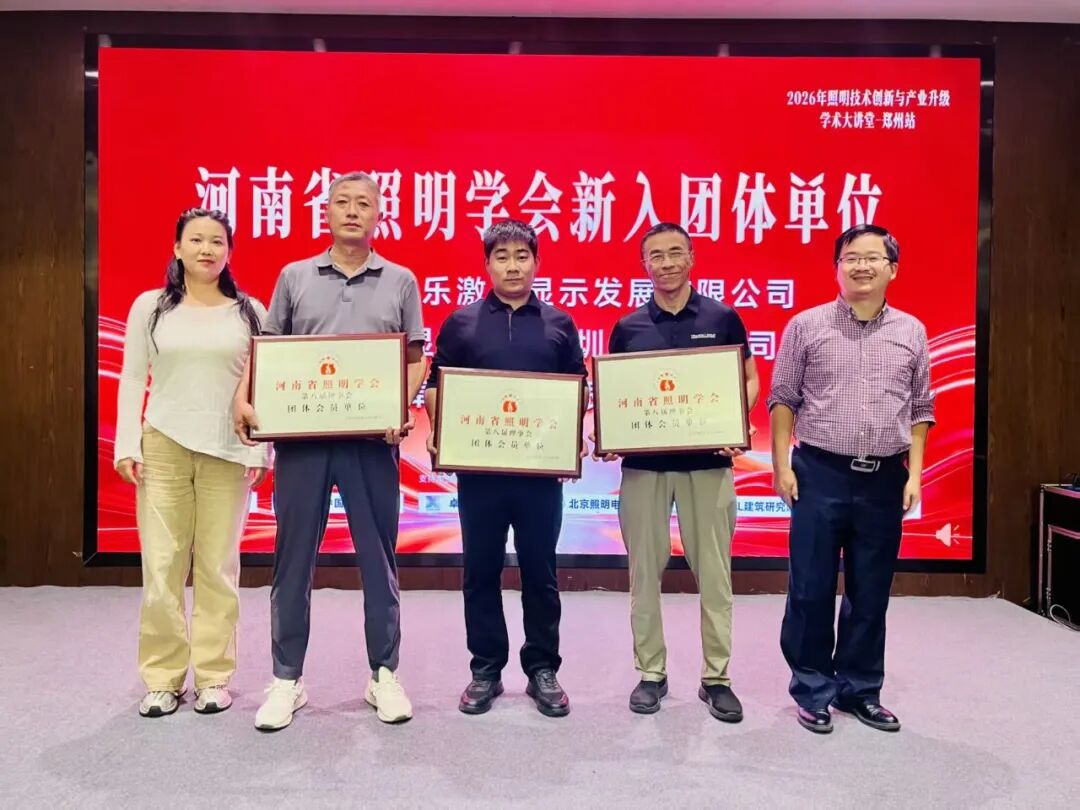
Notably, during breaks between keynote speeches, the event hosted a ceremony to officially induct new members into the Henan Provincial Lighting Society, with several enterprises formally joining the association and injecting fresh momentum into the province’s lighting industry innovation efforts.
Finally, Hong Bing, Editor-in-Chief of China Light All-Media and Executive Dean of Ming Classroom, concluded the event with a closing summary. He stated that the lighting industry is accelerating its transition from simple product manufacturing toward intelligent, healthy, and green system solutions. This lecture series, grounded in the realities of lighting and the Central Plains region, seamlessly integrated standard interpretations, showcase of successful cases, and industry dialogue, bridging policy standards, theoretical research, product technologies, and engineering implementation. It served not only as a concentrated showcase of cutting-edge innovations but also as a forum for forging deep consensus on the future transformation path of the lighting industry. Looking ahead, all stakeholders will continue to deepen collaborative innovation among academia, industry, and research, vigorously promoting healthier, smarter, and lower-carbon lighting technologies to drive the industry’s transformation and support broader societal efforts toward green and low-carbon development.