
A late-night blaze engulfed the home improvement market, destroying multiple stores. What should the lighting industry be on guard against?
A massive fire broke out late at night! A long-established home‑building materials market in Hebei was engulfed by flames, leaving numerous brand‑name stores reduced to rubble.
Since the beginning of this year, fires have been occurring frequently in building‑materials markets across many regions. Have lighting companies fully recognized the underlying fire‑safety hazards revealed by these incidents?
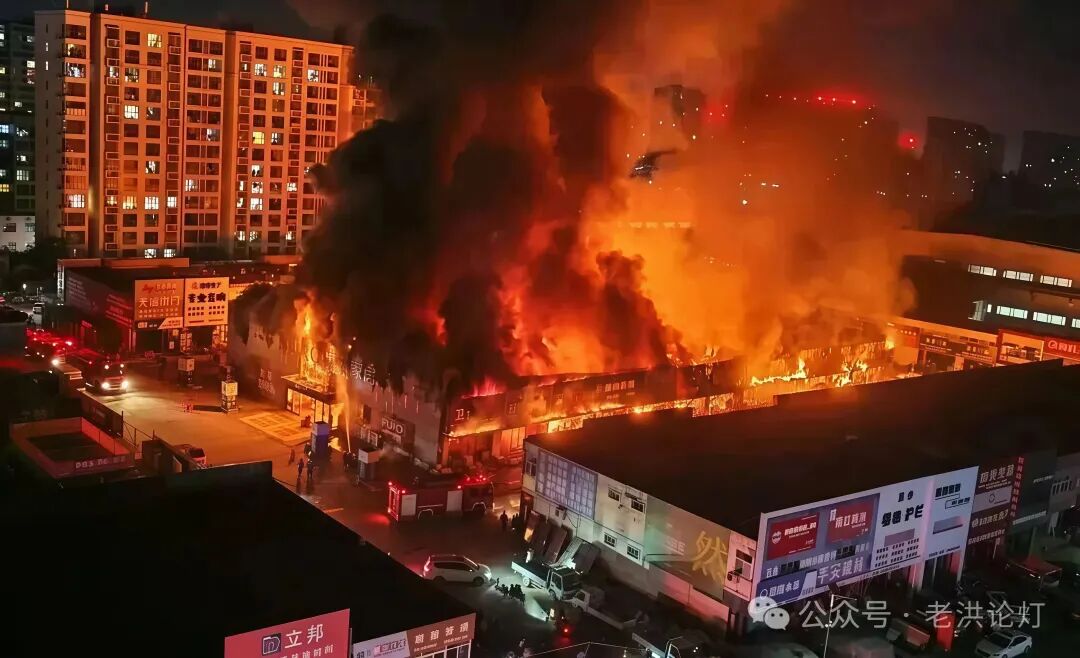
According to media reports, a fire erupted on the evening of October 10 at the Rose Street Home‑Building Materials Market in Zhuozhou City, Baoding, Hebei. Because the blaze struck late at night, it spread rapidly, with large areas ablaze and parts of the structure collapsing. Firefighters responded swiftly, but it wasn’t until the early hours of the following day that the flames were extinguished.
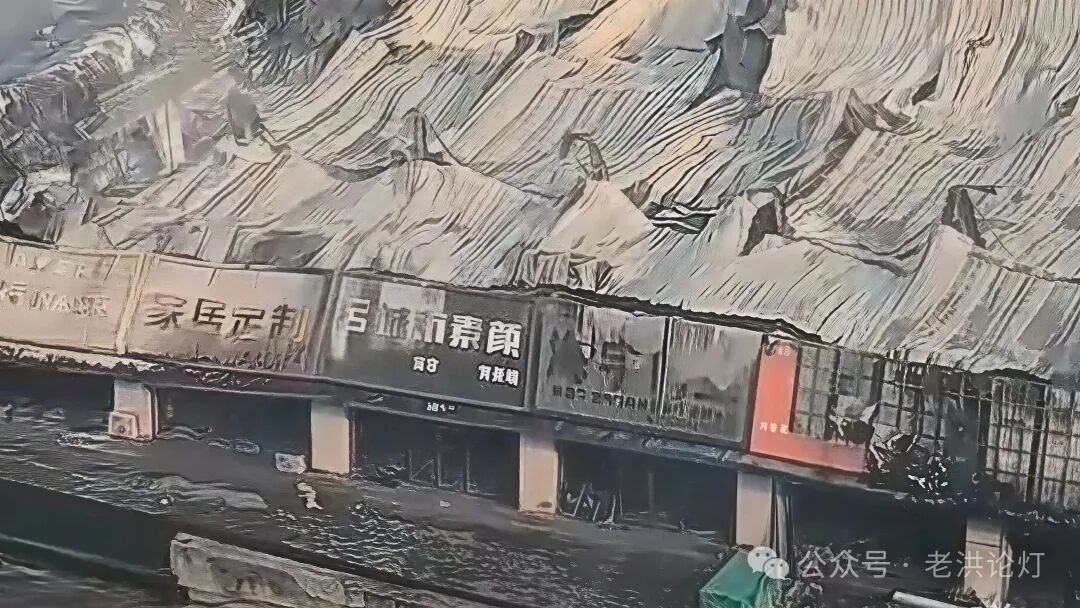
In this incident, multiple home‑brand stores were destroyed, with Gujia Home’s flagship store suffering the most severe damage—its premises virtually reduced to ruins. At present, the cause of the fire and the extent of property losses are still under investigation.
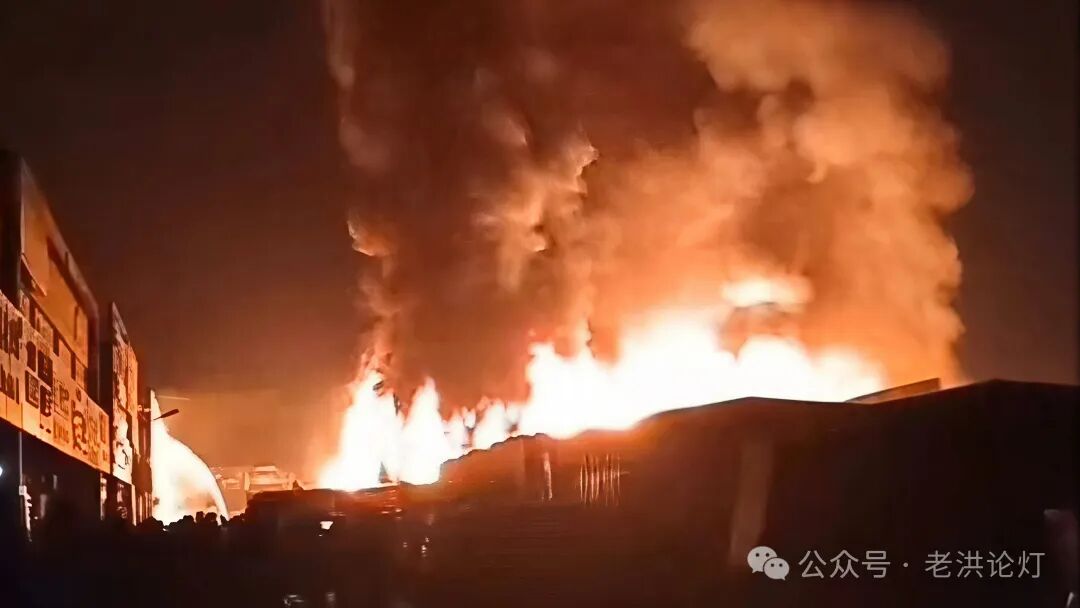
It is worth noting that this is far from an isolated case. Since the start of the year, building‑materials markets nationwide have experienced a spate of fires. On July 24, a fire broke out at a decoration market in Xiaodian District, Taiyuan, Shanxi, spreading quickly from storage areas into the marketplace and destroying more than ten shops. On July 21, a warehouse storing building materials caught fire in Wenzhou, Zhejiang, affecting nearby buildings. On July 14, a major blaze erupted at a decoration city in Xinghualing District, Taiyuan, requiring over twenty fire trucks to bring it under control. And on May 21, a storefront along the street at a decoration city in Huangshi, Hubei, went up in flames, rapidly spreading to nearly thirty businesses.
An analysis of these incidents reveals common causes: aging and shorted electrical wiring, improper stacking of flammable materials, and damaged fire‑separation barriers. Building‑materials markets concentrate highly combustible items such as boards, paints, plastics, and fabric furnishings, while shop stalls are often clustered closely together. Once a fire starts, flames can spread rapidly, accompanied by large amounts of toxic smoke, making firefighting extremely challenging.
Lao Hong believes that, on the surface, this series of fires appears to stem from management lapses and aging infrastructure. However, for the lighting industry, there is another often-overlooked risk: Are the lighting fixtures, wires, and cables used in countless shops and storage spaces compliant with fire‑safety standards? In many older building‑materials markets, non‑standard lamps, substandard LED drivers, and improper wiring practices remain widespread. If left powered for extended periods or subjected to circuit overload, such components can easily become ignition sources.
Lao Hong also points out that lighting products and electrical supplies themselves constitute key product categories in these markets. Many merchants stockpile large quantities of lamps, wires, and packaging materials—displaying them during the day and storing them at night. If power remains on and regular inspections are neglected after staff depart, the risk of electrical fires escalates exponentially. For lighting manufacturers and distributors, ensuring compliance in sold products is essential; safeguarding electrical safety within their own stores is equally critical. Upholding fire‑safety standards is not only a responsibility to customers but also to oneself.
Do you agree with Lao Hong’s perspective? We welcome your thoughts in the comments section.
Follow “Lao Hong on Lighting” to illuminate your path forward!
About the author, Hong Bing:
Hong Bing currently serves as the Editor-in-Chief of China Light Network and Agricultural Lighting Network—the official websites of the China Illuminating Electrical Appliances Association—as well as Executive Dean of Ming Classroom, Executive Vice President of the Beijing Illuminating Electrical Appliances Association, Deputy Chairperson of both the Talent Training Committee and the Agricultural Lighting Professional Committee of the China Illuminating Electrical Appliances Association, Executive Deputy Chairperson of the Lighting Alumni Association of Fudan University, and a Board Member of the Ecological Environment Alumni Association of CEIBS. He graduated from the Department of Light Sources and Lighting Engineering at Fudan University in 1991 and earned an MBA from CEIBS in 2003. Over the years, he has worked in R&D, product planning, and marketing at institutions including the China Building Materials Academy, Panasonic, GE, and OSRAM. In 2008, he received the Siemens Global Top Plus Award and the Siemens China Excellence Award, and in 2009 founded China Light Network.
For more exciting content, please follow our official WeChat account and video channel
“Lao Hong on Lighting”
China Light
The official website of the China Association of Lighting Industry and a full-media platform for the lighting sector. We provide authoritative and timely lighting information while striving to be a growth partner for businesses. From brand promotion and channel expansion to consulting, talent training and participation in standards development, we provide comprehensive professional services to help businesses improve quality and efficiency and jointly advance the high-quality development of the lighting industry.
Business Contacts
仇纯 (Ms.): 158 6155 3579
顾君 (Mr.): 137 7157 5253