
Unveiling the secret behind why traditional ancient buildings look so stunning at night! Wang Jianping provides an in-depth explanation of the "principle" and "essence" of Lighting design.
When Light Meets Millennial Ancient Architecture: An Aesthetic Dialogue Across Time
On July 18, Mr. Wang Jianping, founder of Shanghai Aite Lighting Design, delivered a salon presentation titled “The Art of Lighting Design for Traditional Chinese Ancient Buildings,” deeply integrating historical culture with lighting aesthetics.
As a seasoned designer with over two decades of industry experience, Wang Jianping adopted a cross-disciplinary perspective of “Art + Technology + Lighting” to decode the secrets of traditional ancient architecture and reveal how light can become the “language” that awakens a building’s soul.
Understanding Traditional Ancient Architecture: A Deep Decoding from “Form” to “Spirit”
Teacher Wang Jianping began by exploring the essence of traditional Chinese ancient architecture, emphasizing that it is not merely a “stacking of bricks, tiles, wood, and stone,” but rather a “carrier of culture and life.”
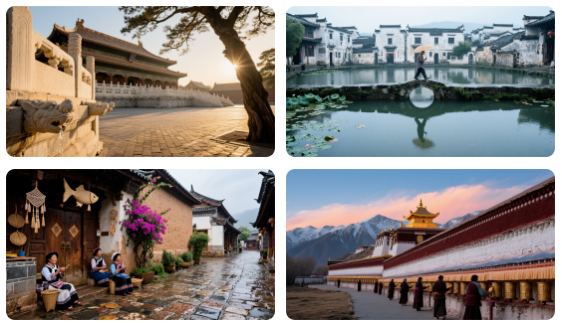
The above image was generated using DouBao AI
The Beauty of Types and Materials: From imperial palaces and temples to residential dwellings, ancient buildings exhibit distinct characters based on their functions; meanwhile, the “sense of historical vicissitudes” formed as natural materials like brick, wood, and stone weather over time is an integral part of their unique charm.

Five Typical Characteristics
Symmetrical Order: Featuring central axis or rotational symmetry around an axis, such as the solemnity of the Forbidden City’s corner towers and the stability of Ying County Wooden Pagoda, conveying a sense of ritual for “propriety” and “sacredness.”
: The wooden frame is “exposed externally,” with the logical interlocking of dougong brackets, beams, and pillars creating a mechanical aesthetic where “walls may fall but the house remains standing.”
Spiritual Eaves: The upturned corners formed by combining tiles with wooden structures resemble “birds spreading their wings,” embodying the philosophy of “vibrant vitality.”
: The crisscrossing beams within individual buildings and the staggered heights of architectural groups subtly reflect the Chinese aesthetic of “observing propriety while valuing change.”
Ornamental Rhythm: Tile ends, ridge beasts, painted decorations, couplets, and more integrate cultural symbolism with visual beauty into architectural details.
The “Way” of Lighting Design: Six Principles Safeguarding the Authenticity of Ancient Buildings
Teacher Wang Jianping emphasized that lighting traditional ancient buildings is far from “simple illumination”; it is about “using light as a brush to recreate historical contexts.”
Six Core Principles
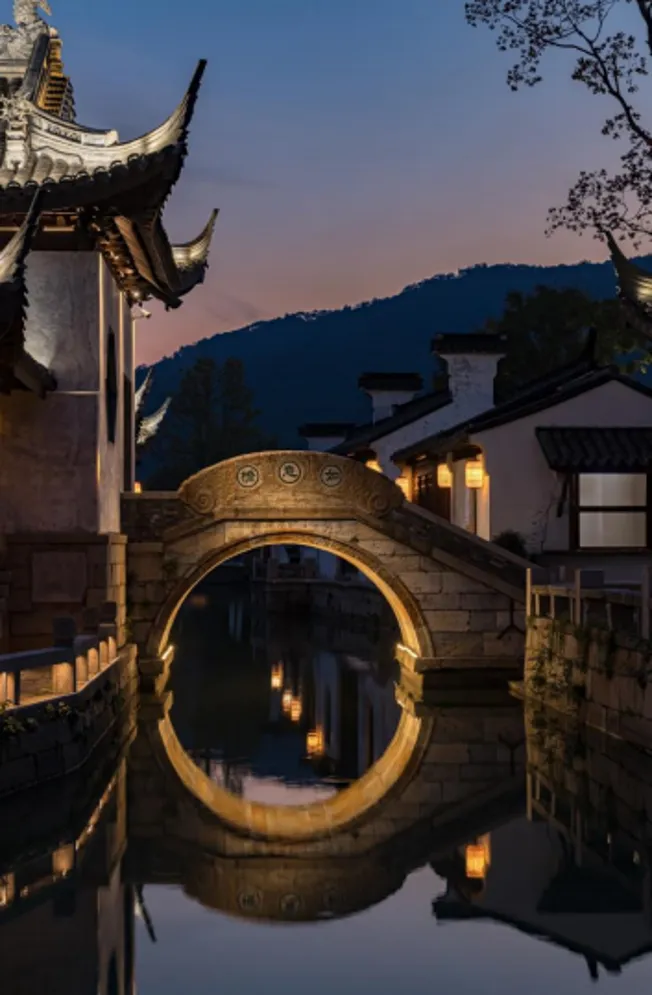
Respect History and Environment: Lighting must harmonize with the surrounding landscape and streetscape of the ancient building—for example, Wuxi Nianhua Bay uses “Zen-inspired lighting” to echo the spirit of the site, avoiding any sense of incongruity.
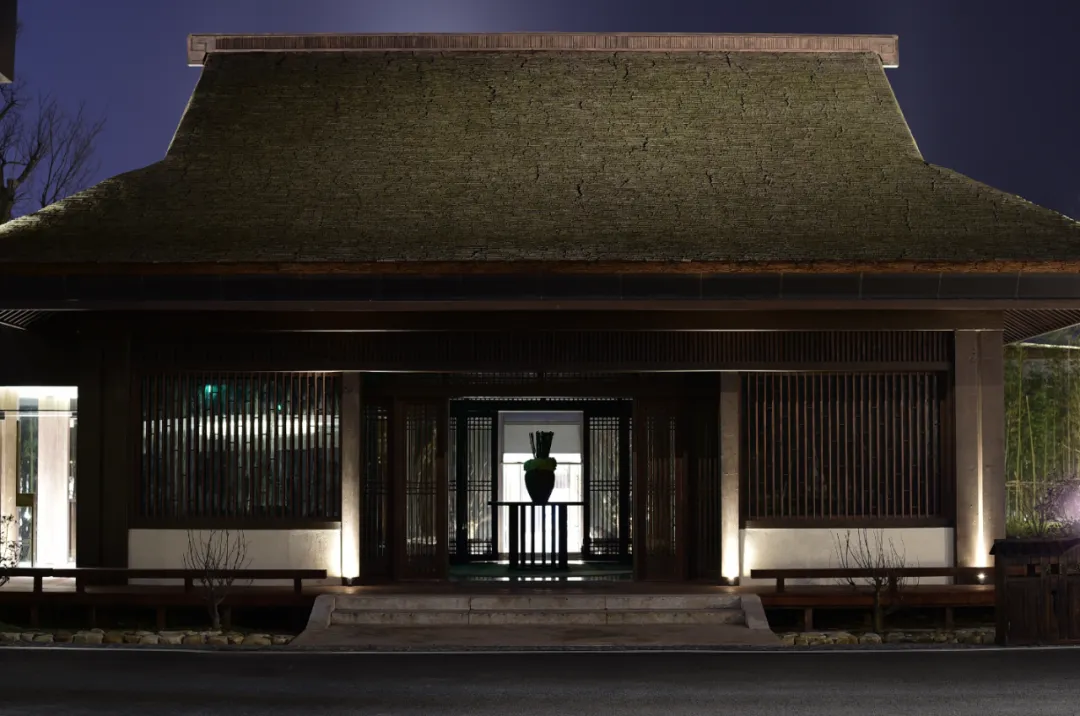
Case Study: Wuxi Nianhua Bay Town
Respect the Architectural Body: For heritage buildings, lighting should be “faithfully restored” without exaggeration; for仿古 buildings, moderate modifications are permissible, provided daytime morphological features remain intact.
Light Must Match Architectural Character: Imperial palaces convey “majesty,” temples seek “serenity,” while residential homes return to “simplicity.”
Follow Aesthetic Laws: Showcase architectural structural beauty through layered brightness and proportional harmony, avoiding the pitfall of “seeing only light, not architecture.”
Respect Daily Life: If ancient buildings are still inhabited, lighting should be natural and soft—for instance, Yuanjia Village in Zhengzhou Tongmeng Ancient Town uses “translucent interior lighting plus lanterns” to create a lived-in atmosphere.
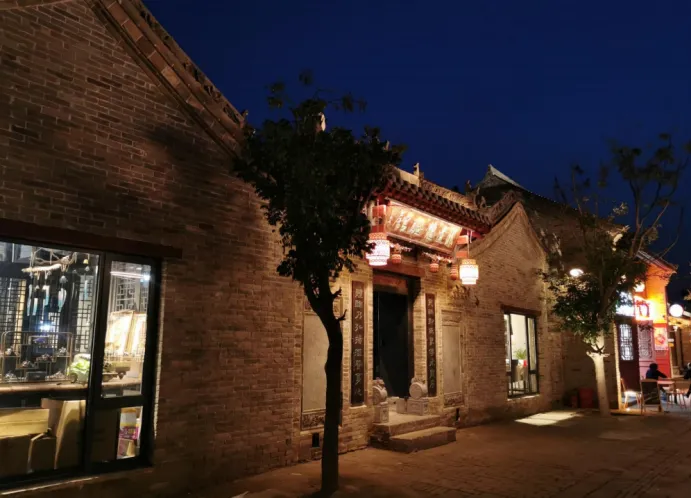
Case Study: Yuanjia Village, Zhengzhou Tongmeng Ancient Town
Safety First: Wooden structures require vigilance against fire hazards; luminaires must be installed away from flammable materials, and wiring should be enclosed.
Economic Efficiency and Sustainability: Choose high-quality luminaires within budget, balancing energy efficiency with long-term maintenance.
Case Analysis (Partial): Practical Wisdom from “Illumination” to “Scene Creation”
Teacher Wang Jianping used several classic projects to demonstrate how theory translates into practice:
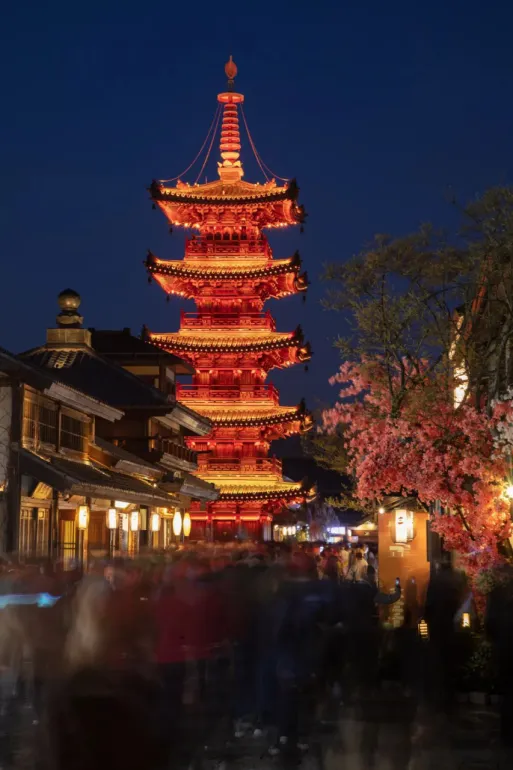
Zhoushan Guanyin Dharma Realm: Employing a centrally symmetrical lighting layout to enhance the sacredness and ceremonial atmosphere of the architecture.
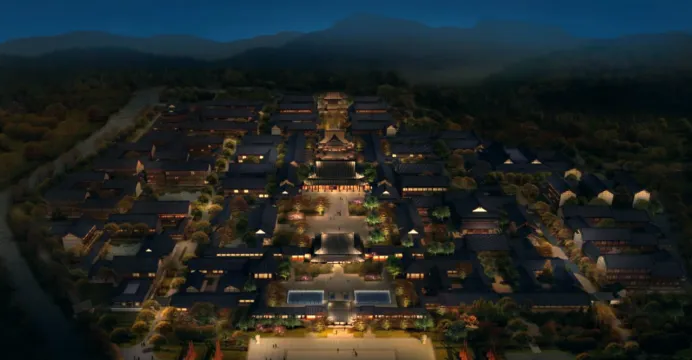
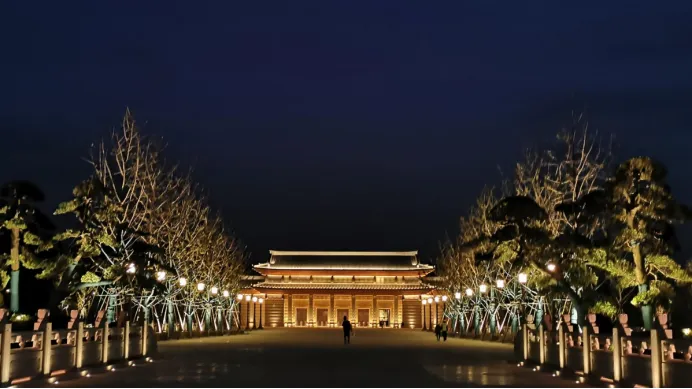
Case Study: Zhoushan Guanyin Dharma Realm
Jinxi Ancient Lotus Bridge Renovation: Using three layers of lighting—“basic illumination + pillar accents + eave outlining”—to restore the classical ambiance of a “long rainbow lying across the waves.”
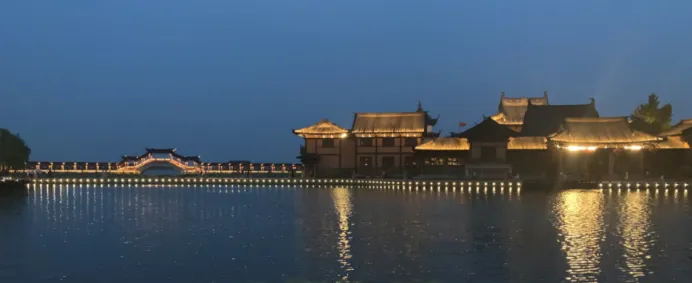
Before renovation
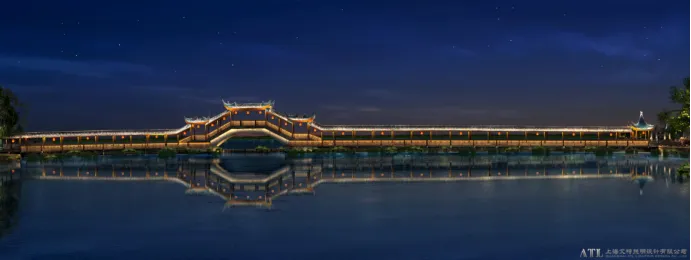
Design simulation effect
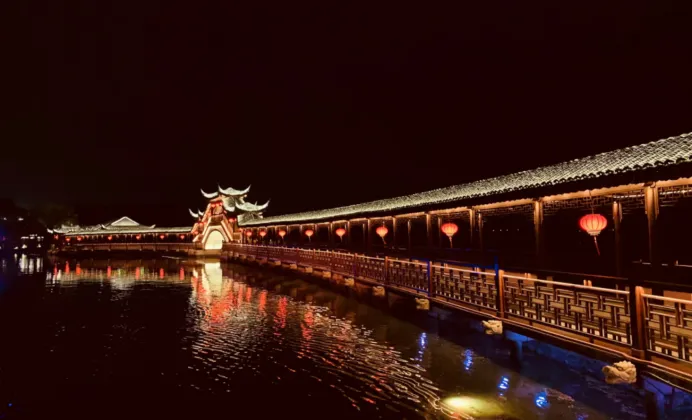
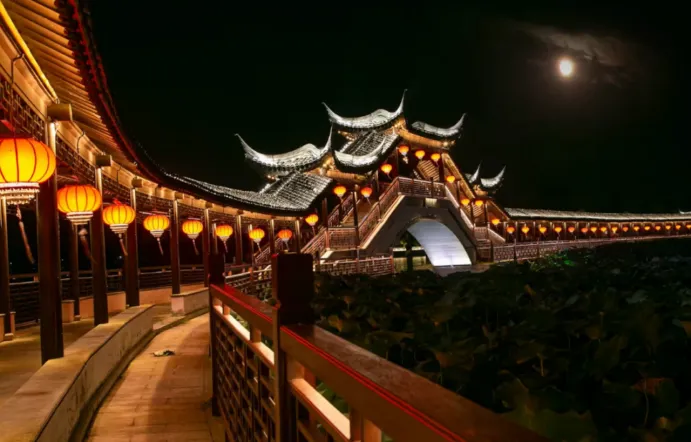
Post-renovation real-scene photo
Case Study: Zhoushan Guanyin Dharma Realm
Taizhou Jiazhi Old Street: Combining subtle floodlighting with localized accent lighting to highlight the texture and historical traces of brick-and-wood structures.
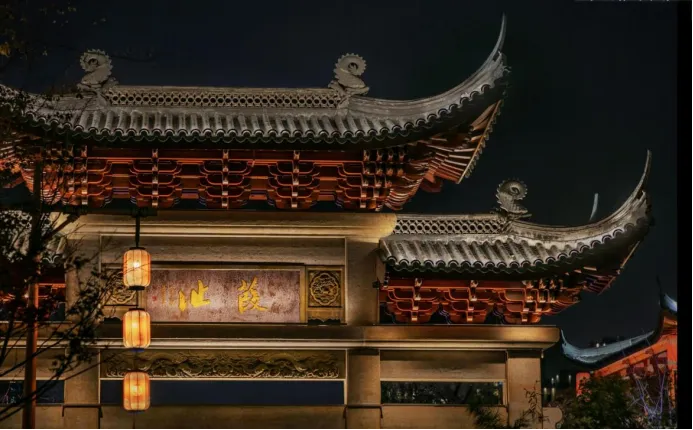
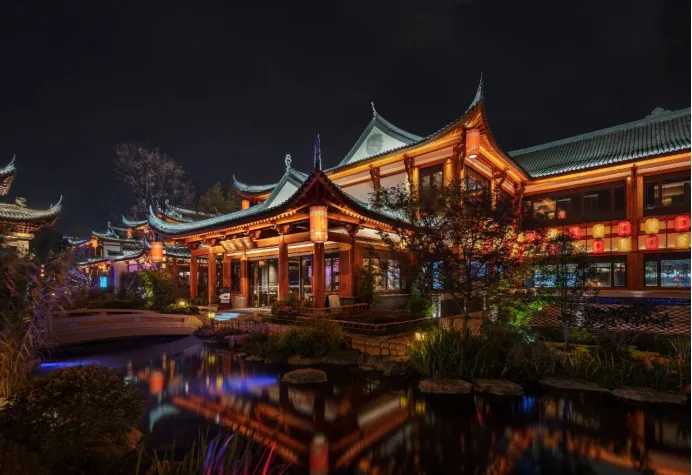
Case Study: Taizhou Jiazhi Old Street
Q&A Interactive Session: Solutions to Real-World Challenges
Following the presentation, Teacher Wang Jianping addressed core questions raised by the audience, tackling pain points in ancient building lighting practice:
Q
For brick-and-wood ancient buildings, how can we prevent lighting damage to the architectural body?
A
Three approaches are essential:
Installation Method: Prioritize ground-mounted pole spotlights or clamp-style luminaires to avoid nailing or drilling into the building structure;
Light Source Selection: Use low-UV LED sources to minimize oxidative effects on painted surfaces and wood;
Heat Dissipation Control: Ensure luminaire heat dissipation components stay clear of wooden structures, and enclose wiring in metal conduits to eliminate fire hazards.
Q
How can we use lighting to shape a “place spirit” and avoid uniformity?
A
The key is “understand the site first, then design”:
Delve deeply into the building’s historical background and cultural DNA—for example, Wuxi Nianhua Bay uses a lighting language of “simplicity, softness, subtlety, beauty, and rustic charm” to echo its Zen theme;
Avoid blindly replicating successful cases; instead, tailor solutions to the site’s topography, surrounding environment, and local context, allowing lighting to serve as an “extension of architectural character.”
Note: This article originates from the China Light Network · Ming Classroom “Ancient Town Lighting Expo Mingren Online” channel’s July 18 livestream, compiled from the first lecture of the “Discussion on Lighting Design for Traditional Chinese Ancient Buildings” salon.
China Light
The official website of the China Association of Lighting Industry and a full-media platform for the lighting sector. We provide authoritative and timely lighting information while striving to be a growth partner for businesses. From brand promotion and channel expansion to consulting, talent training and participation in standards development, we provide comprehensive professional services to help businesses improve quality and efficiency and jointly advance the high-quality development of the lighting industry.
Business Contacts
仇纯 (Ms.): 158 6155 3579
顾君 (Mr.): 137 7157 5253