
How to seize the trillion-yuan market for urban renewal? Here's what they said
On April 10, 2026, during the 2026 China (Yangzhou) Outdoor Lighting Exhibition, the Forum on Integrated Development of Urban Renewal and Lighting Innovation was successfully held at the Yangzhou International Exhibition Center. Focusing on lighting transformation and innovative practices in the context of urban renewal, the forum closely aligned with the national strategic goals of "Urban Renewal Action" and "Carbon Peaking and Carbon Neutrality." Participants explored pathways for green, smart, and human-centric upgrades in urban lighting and sought new opportunities for the deep integration of the lighting industry and urban renewal.
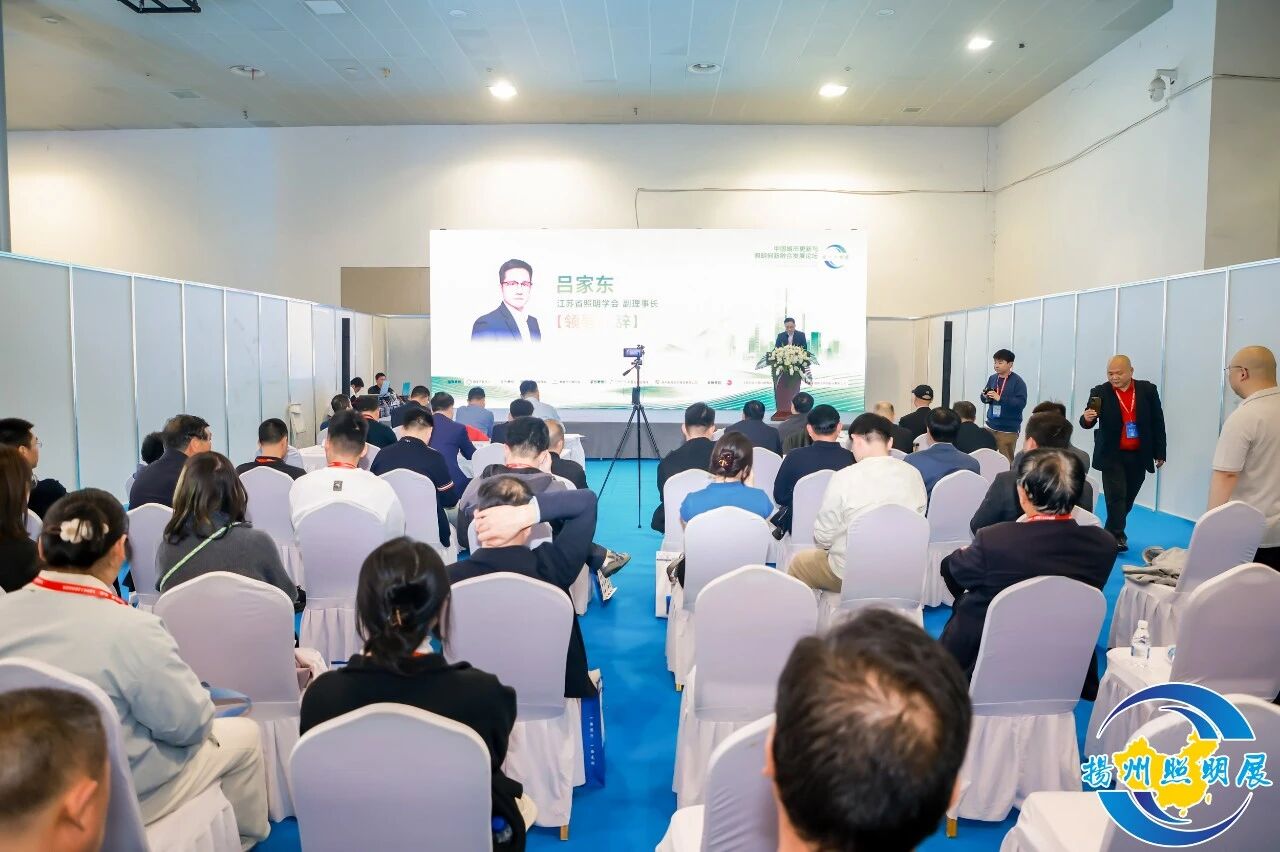
The forum was guided by the National Energy Conservation Center, organized by the Jiangsu Lighting Society and the Gaoyou City Luminaire Association, and undertaken by China Light Media (Wuxi Lide Shidai Technology Co., Ltd.) and Yangzhou Reed North Exhibition Co., Ltd., with support from Jiangsu Chuangdao Optoelectronics Technology Co., Ltd. and Guangdong Sanan Aurora Lighting Co., Ltd. Numerous representatives from government departments, industry associations, research institutes, urban operation service providers, lighting enterprises, and related companies in the supply chain attended the forum. The forum was moderated by Hong Bing, Editor-in-Chief of China Light Media.
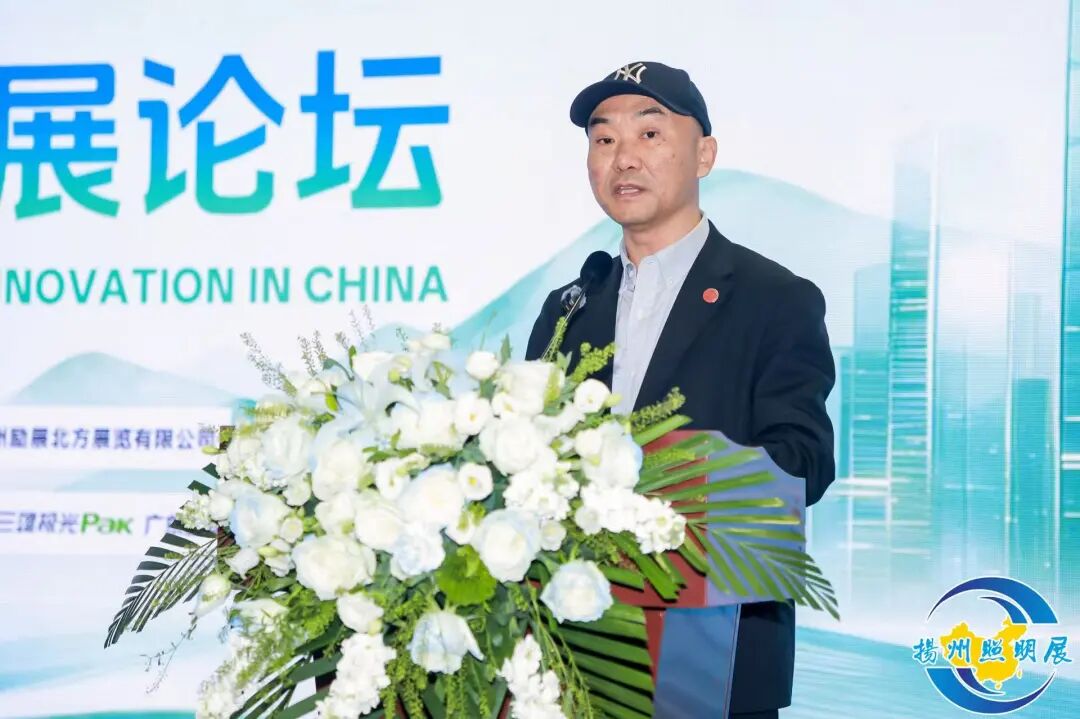
Opening Remarks
At the opening of the Forum, Wang Tianzuo from the Energy Conservation Promotion Division of the National Energy Conservation Center pointed out in his address that urban lighting is a key link in energy saving and carbon reduction, and promoting the renewal of lighting equipment is a crucial measure to implement the dual carbon goals and urban renewal actions. The formulation of technologies such as LED high-efficiency lighting and national standards like "Smart City - Smart Multi-functional Pole General Requirements" has provided strong support for lighting energy-saving retrofits. It is necessary to accelerate the replacement of old lighting equipment, strictly implement national standards for lighting energy efficiency, leverage technological innovation to achieve tangible carbon emission reductions in the urban lighting sector, and set a benchmark for energy-saving retrofits in public sectors nationwide. This Forum focuses on the renewal of lighting equipment in urban renewal, which is both a pragmatic action to promote the green and low-carbon transformation of cities and a concrete practice to implement the dual carbon goals.The National Energy Conservation Center will continue to play its role as a bridge and link, building platforms for policy exchange, technology promotion, and industry collaboration to assist the transformation and upgrading of the lighting industry.
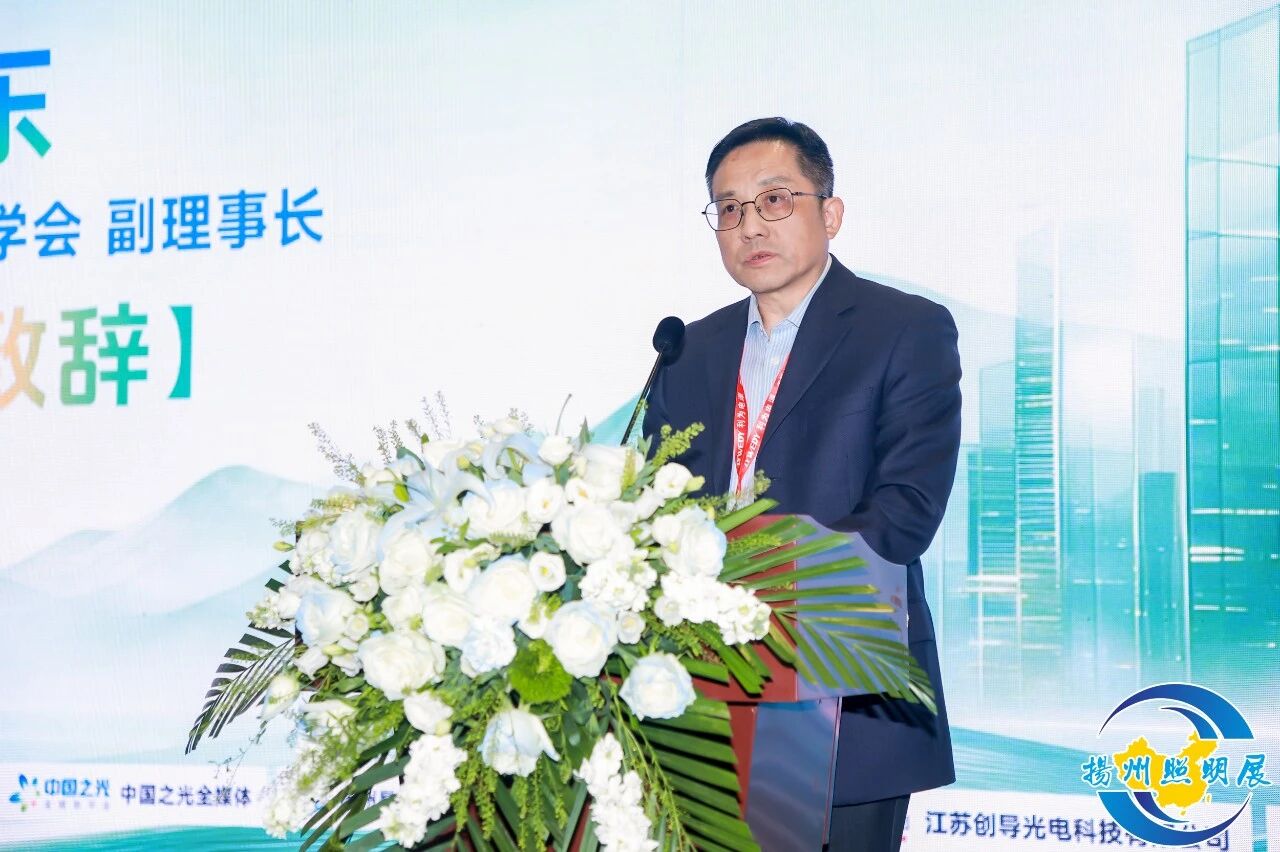
Lu Jiadong, Vice Chairman of the Jiangsu Lighting Society, stated in his address that China's urbanization has shifted from "incremental expansion" to "improving the quality of existing stock," and lighting has long transcended its single functional attribute to become an important carrier for shaping urban appearance, inheriting historical context, activating the night-time economy, improving governance efficiency, and demonstrating care for people's livelihood. This Forum has built a platform for ideological collision and resource docking for the industry, helping the industry explore new paths for innovative development in the lighting industry. Urban renewal is a long and arduous task, and lighting innovation is still on the way. He called on colleagues in the industry to use light as a medium, enrich people with wisdom, adhere to craftsmanship, dare to innovate, serve people's beautiful life with high-quality light environments, and help the high-quality development of cities with advanced lighting technology.
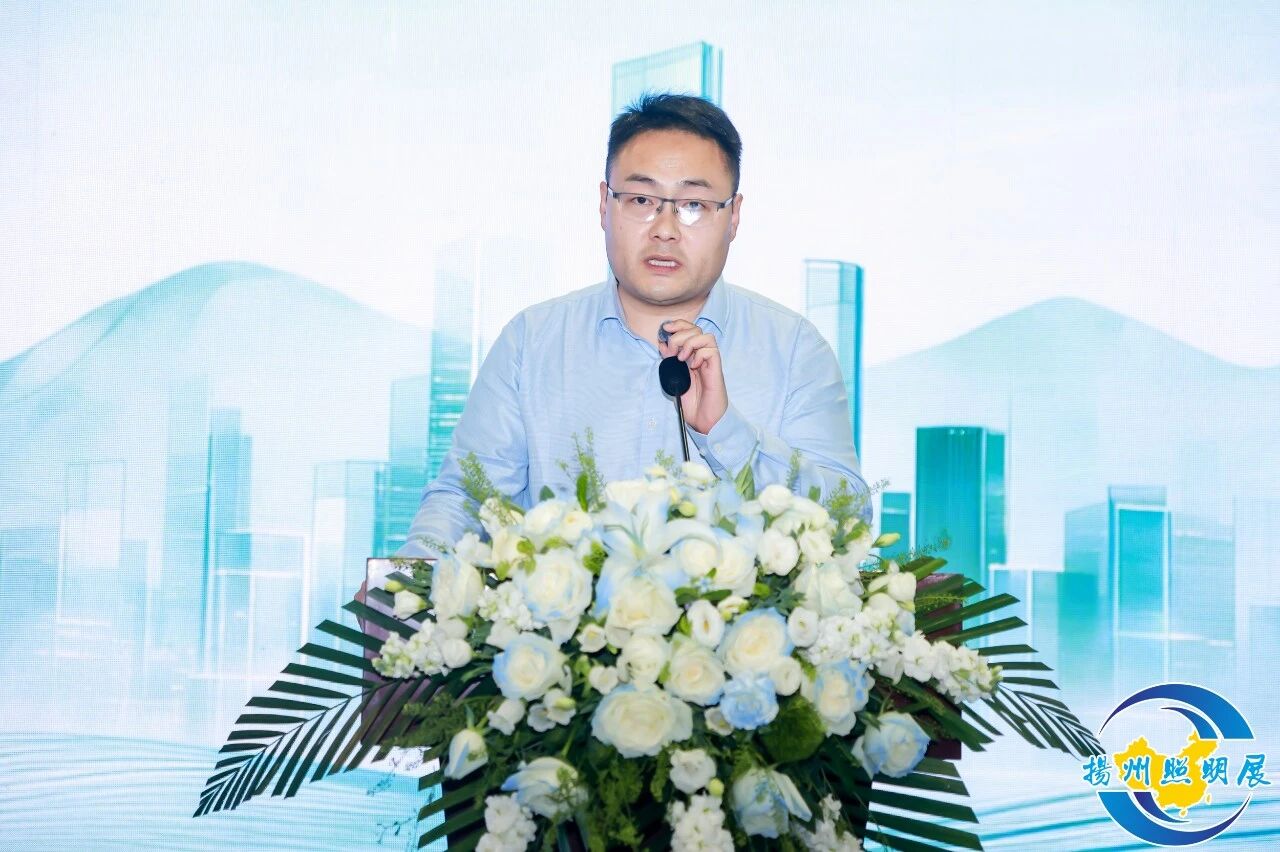
Wang Lixiang, President of the Gaoyou Lighting Fixture Association, introduced the industrial foundation and determination for transformation of Gaoyou, the "Hometown of Lighting Fixtures". He pointed out that after 50 years of development, Gaoyou's lighting industry has formed a complete industry chain / supply chain covering lamp poles, luminaires, light sources, intelligent control, and smart pole solutions, with an annual output value exceeding 18 billion yuan. Currently, urban renewal has brought a trillion-yuan blue ocean to the lighting industry, and Gaoyou's lighting enterprises are accelerating their transformation towards smart poles, optical storage and direct current flexibility, and low-carbon light environments. He called on the entire industry chain to drive innovation through scenarios, expand space through integration, and win the future through quality. He also stated that Gaoyou will continue to improve the supporting system for the lighting industry, promote the digital transformation of small and medium-sized enterprises, strengthen cooperation with national research institutions and leading enterprises, build "Gaoyou Manufacturing" into a high-quality brand in the field of urban renewal lighting, work together to build a new ecosystem for the smart and low-carbon lighting industry, and contribute the Gaoyou Solution to the grand process of urban renewal.
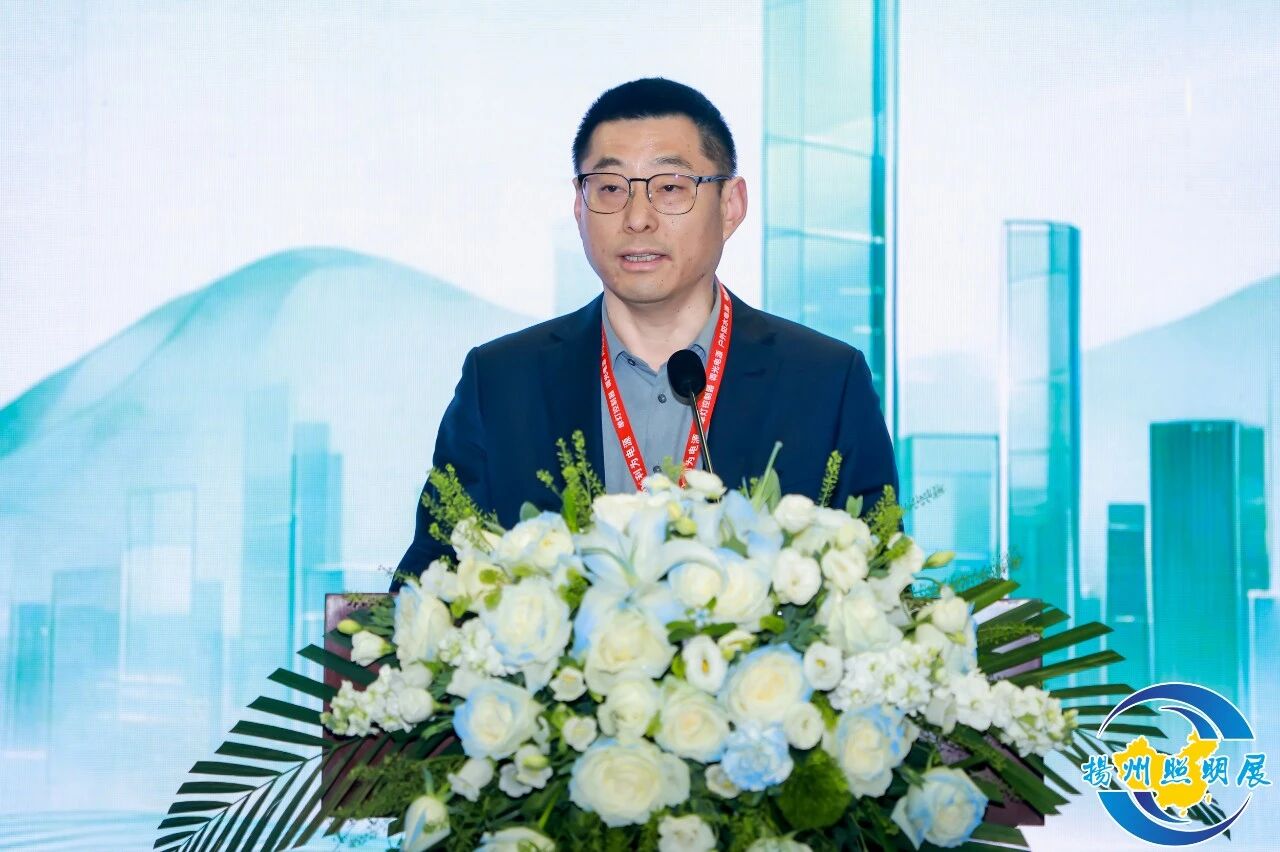
Speech Session
Qian Zongming, Secretary-General of the Jiangsu Lighting Society and Executive Dean of the Jiangsu Lighting Research and Design Institute, delivered a keynote speech titled "Revitalizing Old Cities, Breaking Through for Lighting Enterprises: Trillion-Yuan Dividends and Implementation Strategies for Urban Renewal". He systematically reviewed national and Jiangsu provincial urban renewal policies and project progress, pointing out that lighting has become the entry point in urban renewal that is "relatively controllable in cost, most直观 in effect, and best reflects care for people's livelihood". The lighting industry is facing four major tracks: functional upgrade, intelligence, greenification, and cultural empowerment. Combining cases of urban renewal in Nanjing, Suzhou, Wuxi and other cities in Jiangsu, he analyzed the pain points of lighting renovation in old residential communities, historical blocks, and industrial parks, and put forward suggestions for enterprises. He proposed that lighting enterprises need to achieve a four-stage leap from "selling luminaires" to "selling solutions, selling system platforms, selling data, and selling urban ecosystems" to quickly seize the market share in urban renewal.
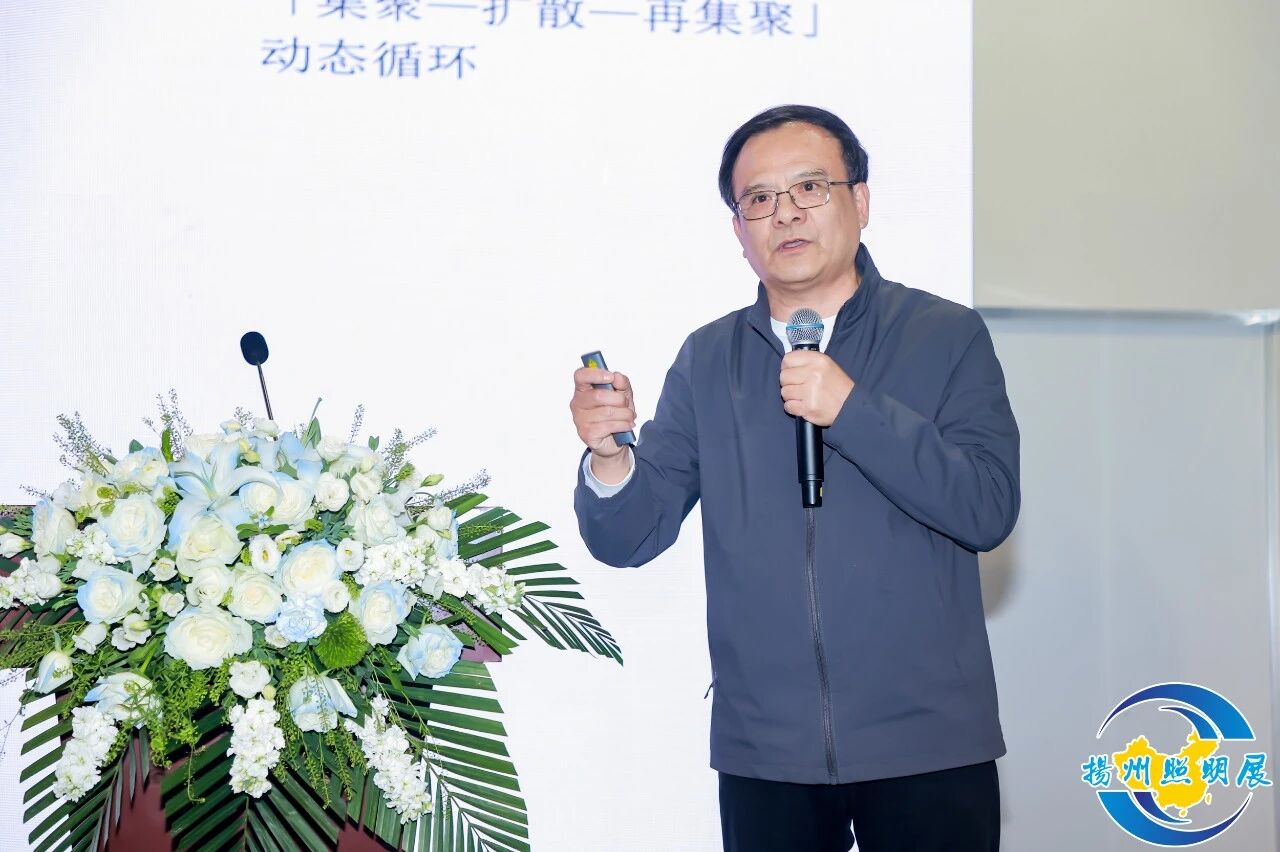
Wang Xiaoming, Vice Chairman of the Shanghai Lighting Society, used Shanghai's "Three-Year Action Plan" for road lighting energy-saving renovation as an example to systematically interpret the technical requirements and practices for quality improvement and upgrading of road lighting in the process of urban renewal. He introduced in detail Shanghai's specific regulations on LED luminaire efficacy, color temperature, CRI, lifespan, and anti-fall measures, providing a high-standard, referenceable model for similar projects nationwide. He shared Shanghai's quantitative goal of retrofitting 701,400 street lights with an electricity saving rate of no less than 50%, emphasizing that road lighting updates must balance energy saving indicators with safety standards. Detailed designs such as anti-fall and salt spray protection are directly related to the safety of urban public facilities. He also stated that the new national energy efficiency standard (GB 37478-2025), to be implemented in June 2026, will bring higher luminous efficacy requirements, urging the industry to make technical reserves in advance.
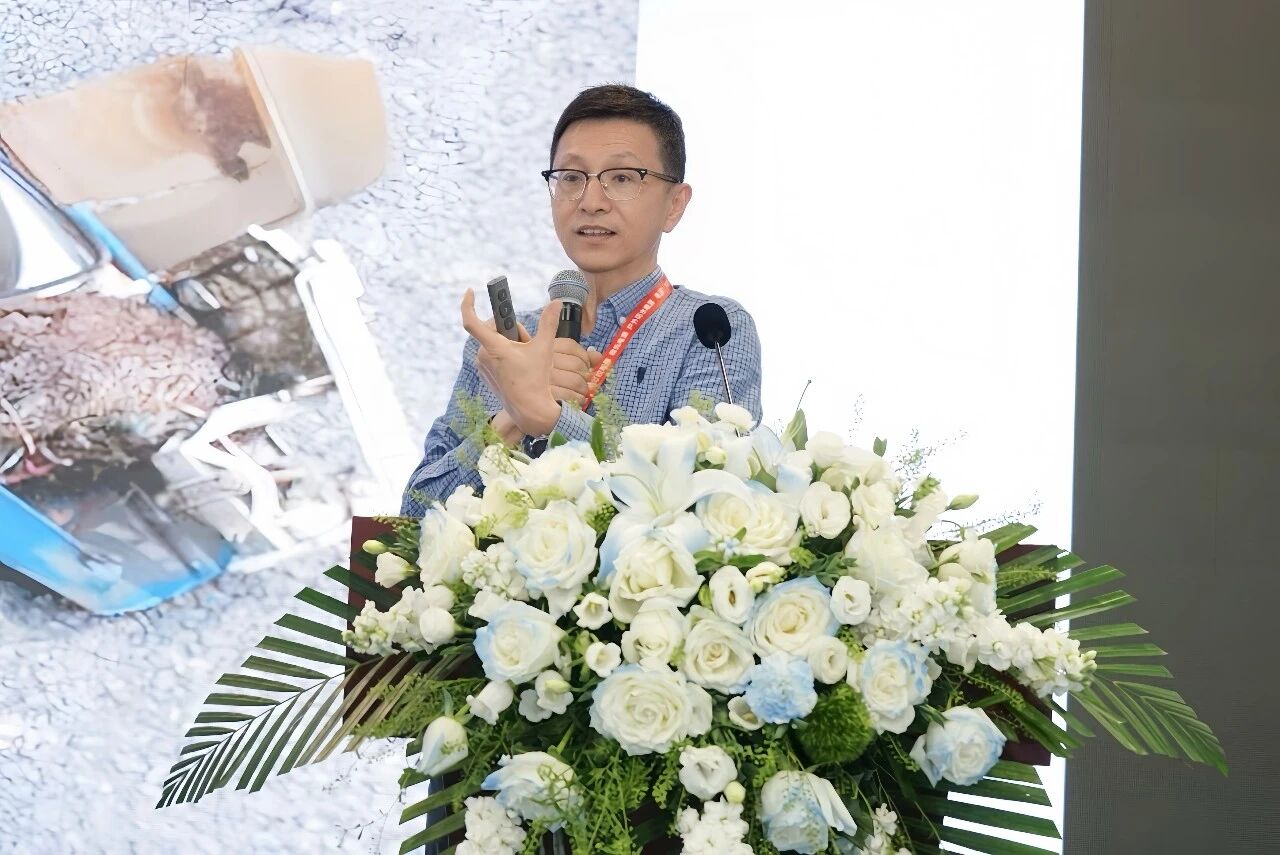
Zang Xinhai, Dean of the Jiangsu Chuangyapu Industrial Technology Research Institute, shared the company's innovative explorations in the field of lightweight, intelligent, and replaceable LED light bulbs under the theme "Light Bulbs - The Future of World Lighting, Intelligence - The World of Future Lighting." Addressing the challenges faced by traditional integrated LED street lights, he presented Chuangdao Optoelectronics' solution—through the integrated innovation of materials, heat dissipation, and intelligent control technologies, successfully developing core products such as lightweight, intelligent high-power LED street light bulbs and corn lamps. He focused on explaining core technologies such as composite heat dissipation, automatic temperature control, and modular design. With advantages such as high luminous efficacy (up to 171 lm/W), long warranty, intelligent internal/external control, and easy replacement, its products have been promoted and applied in nearly 100 cities across the country. He proposed that standardized, replaceable LED light bulbs have significant advantages in terms of cost, maintenance, and adaptability, can greatly reduce urban lighting maintenance costs, adapt to the renovation of various old lamp poles, and are the optimal choice for low-cost, high-efficiency urban renewal. He also emphasized that Chuangdao Optoelectronics will continue to deepen independent innovation and promote the leapfrog development of domestic lighting technology from following to running alongside, and then to leading.
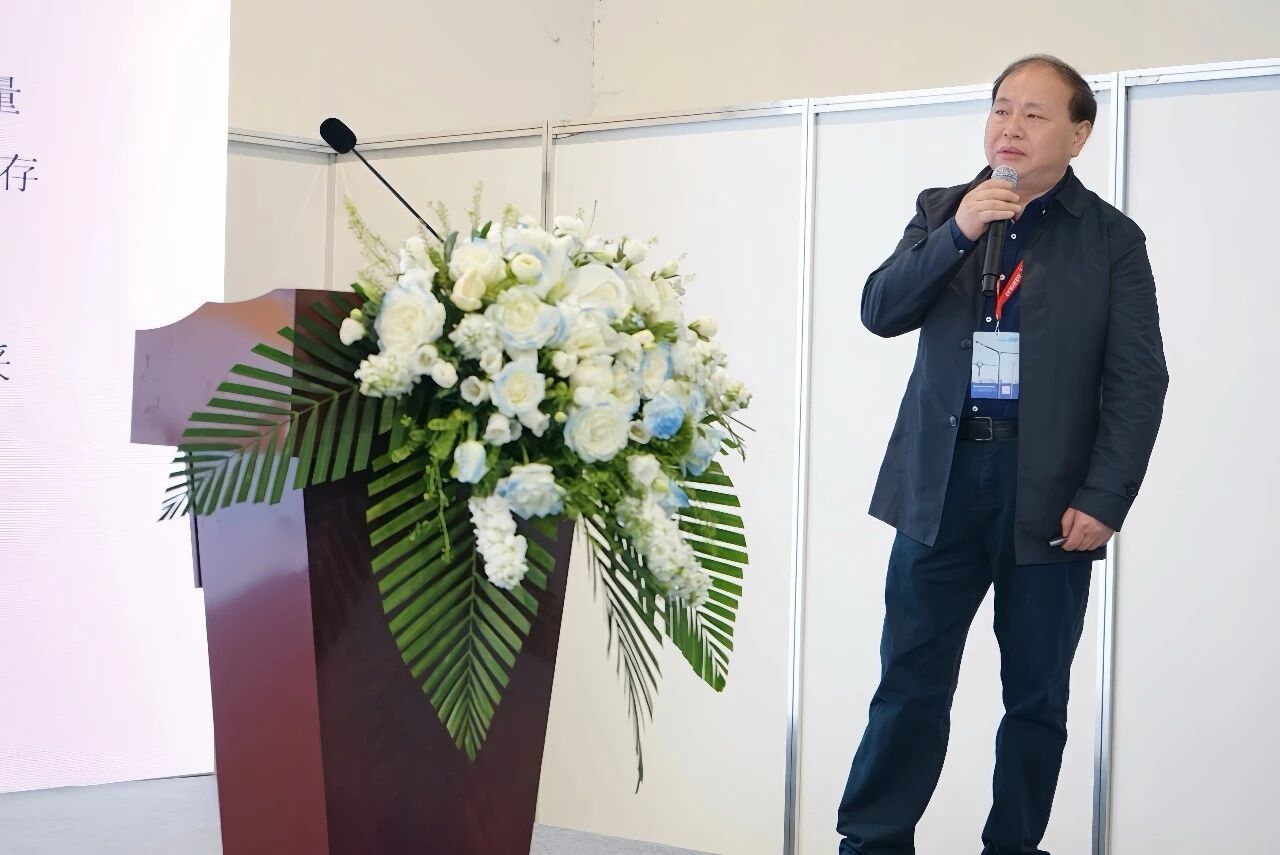
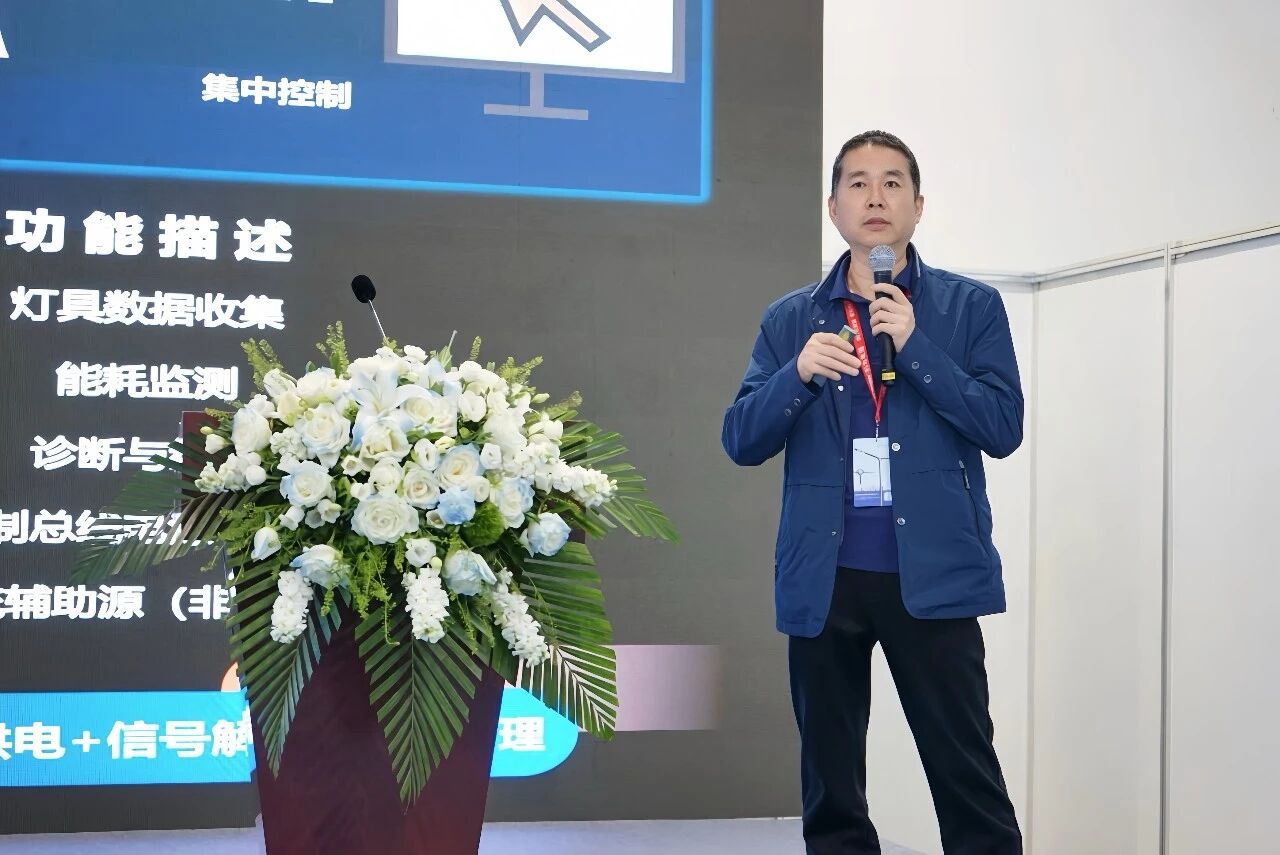
Wang Yong, Marketing Director of Shenzhen Sungrow Electronics Co., Ltd., focused on "LED Driver Power Supply Empowering Smart Lighting Innovative Applications," interpreting the technical requirements of smart streetlights for drivers such as Zhaga-D4i and DALI-2, and introducing Sungrow's VH-E, PA-HF series driver products. With features such as high protection, long lifespan, NFC wireless programming, and energy monitoring, they provide core component support for smart lighting. He elaborated on the key roles of driver power supplies in smart lighting, such as data collection, fault diagnosis, and auxiliary power supply, demonstrating the stable performance of the products in extreme environments from -40°C to 60°C. He proposed that highly reliable driver power supplies are the foundation for the long-term operation of smart streetlights, playing a key role in achieving refined system control and full lifecycle energy efficiency optimization, and need to be deeply coordinated with lighting sources and control systems to enhance the overall intelligence level of urban lighting.
Building Consensus
Hong Bing, Editor-in-Chief of China Light Media, stated in his closing summary that this forum closely followed the pulse of the times, conducting a multi-level, high-density collision of ideas and exchange of wisdom, ranging from macro policies to technical standards, from market trends to product innovation, and from benchmark practices to market opportunities.
Urban lighting in China is transforming from a purely functional facility that "lights up roads" into a comprehensive urban service system featuring smart control, energy saving and carbon reduction, cultural heritage preservation, and night economy activation. As urbanization enters a new stage of "stock optimization," the lighting industry must seize the historic opportunity of urban renewal, driven by technological innovation, guided by integrated development, grounded in green principles, and oriented towards intelligence, to promote the leap of lighting towards multi-dimensional value and contribute the power of light to building safe, livable, smart, and green modern cities.
China Light
The official website of the China Association of Lighting Industry and a full-media platform for the lighting sector. We provide authoritative and timely lighting information while striving to be a growth partner for businesses. From brand promotion and channel expansion to consulting, talent training and participation in standards development, we provide comprehensive professional services to help businesses improve quality and efficiency and jointly advance the high-quality development of the lighting industry.
Business Contacts
仇纯 (Ms.): 158 6155 3579
顾君 (Mr.): 137 7157 5253