
Decoded! From "Bright" to "Healthy": What is the Key Code for the Lighting Industry's Upgrade?
At 14:00 on February 3, the "Light Journey Together Resource Gathering Series · Salon Edition", hosted by China Light Network · Ming Classroom and supported by Ningbo Lighting Exhibition, was successfully held. For this salon, Ming Classroom specially partnered with the Global Light for Health Asia Alliance (GLGA), inviting Mr. Cheng Yu, Secretary-General of GLGA, to share in-depth insights on "Leading the Correct Development of Healthy Lighting". Mr. Hong Bing, Editor-in-Chief of China Light Network, hosted the event. To empower the high-quality development of the lighting industry, many industry colleagues participated in this online exchange through the Ming Classroom platform.
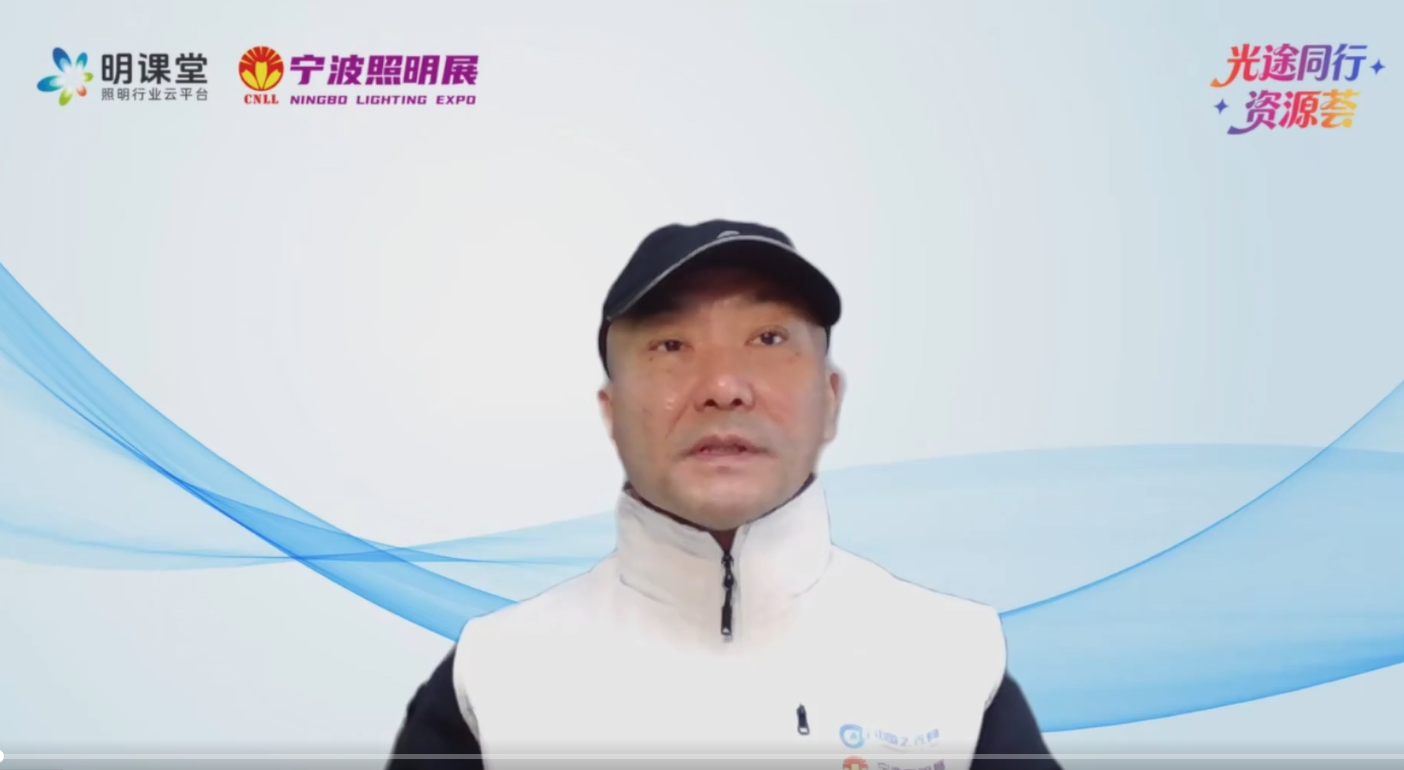
Host Moderator: Hong Bing
Background: Healthy Lighting Becomes Key Direction for Industry Upgrade
On January 27, 2026, the Good Light Asia Alliance (GLGA) was officially established. The concept of "Good light first, then healthy light" resonated throughout the industry, with over 100 peers from the supply chain jointly promoting healthy light to become measurable, verifiable, and implementable. At this critical juncture where the industry is upgrading from "bright" to "good" and then to "healthy," issues such as how to refine and implement standards, how companies can identify their development paths, and how to realize the core value of healthy lighting have become the focus of common concern in the industry. This salon was held based on this industry background to resolve development confusion and clarify the direction forward.
Guest Sharing
Multidimensional Analysis of Healthy Lighting Development Logic
Guest speaker Mr. Cheng Yu entered the lighting industry in 1997 and has successively worked at well-known enterprises such as OSRAM Lighting and Alderburg Lighting. He has profound expertise in maximizing natural light utilization, smart lighting control, and healthy lighting. He not only holds WELL AP and WELL Light Concept Consultant credentials but also participated in drafting the "Application Standard for Healthy Lighting." In 2026, he co-founded the Good Light Asia Alliance (GLGA) and serves as its full-time Secretary-General.
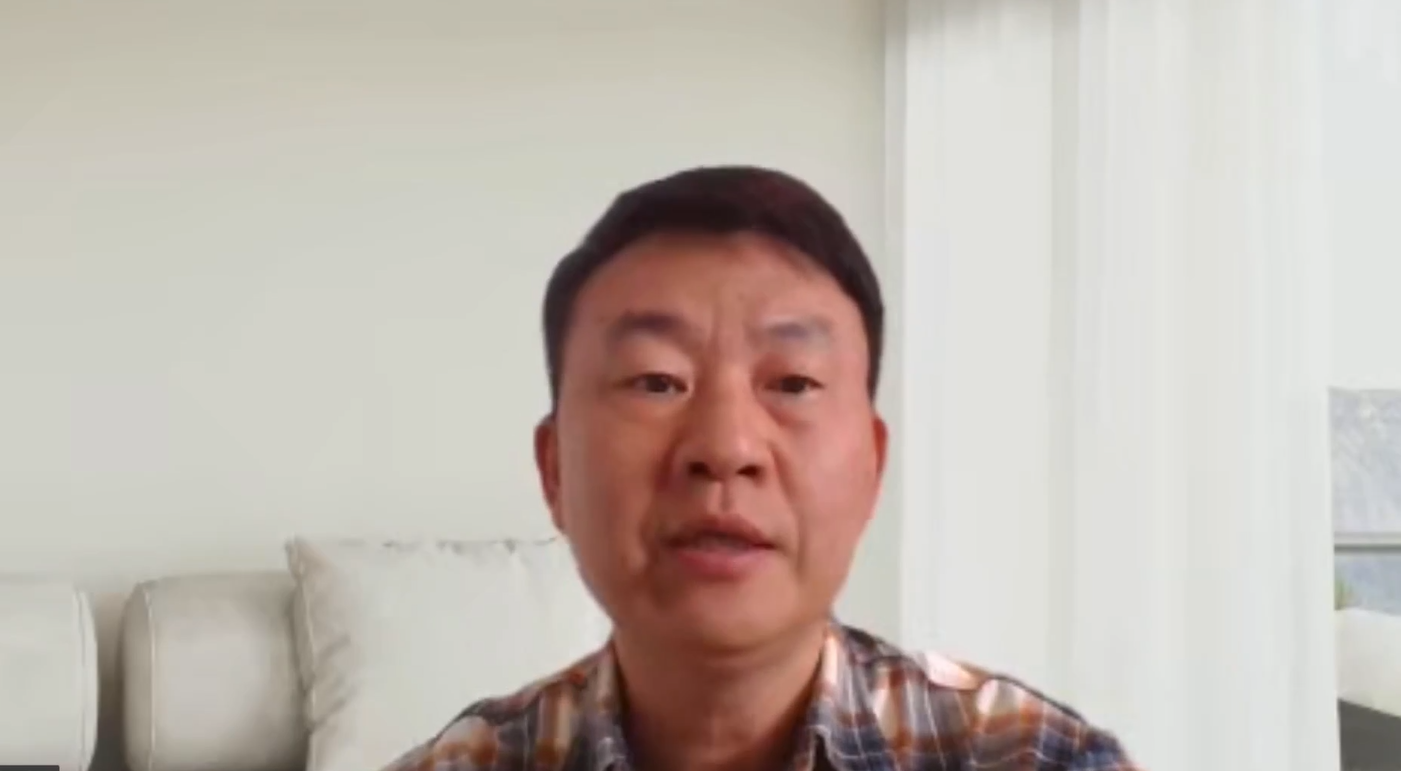
Guest Speaker: Cheng Yu
In his presentation, Mr. Cheng Yu systematically outlined the development trajectory of healthy lighting from five major dimensions:
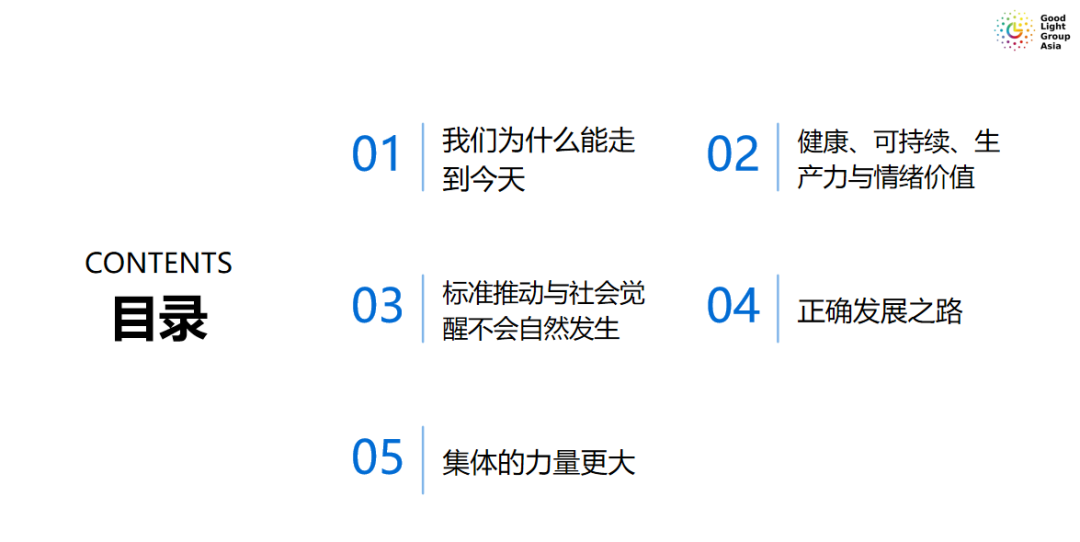
◇ Industrial Foundation:
The LED lighting industry has achieved scalable and reliable delivery, becoming the absolute mainstream. However, the industry faces bottlenecks and urgently needs to transition towards healthy lighting. Establishing underlying models and standards is key to this transition.
◇ The Multidimensional Value of Light:
The core of healthy lighting lies in focusing on the comprehensive impact of light on human health, sustainable development, productivity, and emotions. It is necessary to quantify the effects of light on circadian rhythm, sleep, etc., into engineering language and establish standards and methodologies.
◇ The Necessity of Driving Standards:
The implementation of Healthy lighting standards requires multiple stages, including validation, translation, and education. It faces challenges such as reproducibility and cross-disciplinary collaboration, necessitating joint efforts with international standardization bodies to promote unified global standards.
◇ The Correct Development Path:
The development of Healthy lighting should follow a multi-dimensional collaborative path of “theory guidance – product alignment – design solidification – demonstration validation – training and promotion,” covering multiple stages such as topic research, product development, and scenario design.
◇ The Power of Industry Collaboration:
The development of healthy lighting relies on the collective participation of the entire industry. GLGA gathers resources and builds bridges through its membership system, promoting collaborative innovation across the supply chain to help achieve the goal of "Awakening Good Light".
Interactive Q&A
Focusing on practical pain points to answer industry questions
After the sharing session, Mr. Cheng Yu provided detailed answers to the core questions raised by the audience, directly addressing key confusion in practical enterprise implementation:
1. Questions related to GLGA membership levels and fees
GLGA membership levels are divided into six tiers from L1 to L6, with fees corresponding to the enterprise's annual output value. The minimum fee is 1,000 yuan (for individuals and design research institutions), while enterprise membership fees range from 2,000 yuan to 80,000 yuan. This classification standard aligns with the principles of the European GLG, determined after conversion from Euros. Enterprises can freely choose the corresponding level to join based on their annual output value, with no mandatory requirements, reflecting the equivalence between corporate social responsibility and participation capacity.
2. Implementation path for enterprises regarding the "People + Space + Time + Activity" system model
Enterprises should transform their traditional product R&D logic, shifting from "technology implementation" to "demand-oriented". First, focus on the core needs of people and space, analyze the lighting environment requirements based on human behavior in different spaces, and then match corresponding products and scenario solutions. For example, in home scenarios, indirect lighting products can be prioritized to simulate natural light distribution; meanwhile, control methods must be defined at the initial stage of product development, considering linkage with shading systems, etc., to achieve adaptive scenario adjustment through sensors.
3. Value and path for enterprises participating in the improvement of healthy lighting standards
Participating in standard setting can bring first-mover advantages to enterprises. Based on existing theoretical foundations, enterprises can carry out targeted product trials and implement demonstration projects, verifying technical feasibility through on-site data collection, and then converting practical results into standard content. GLGA will rely on teams of domestic and international scientists to provide theoretical support, helping enterprises participate in standard improvement under scientific guidance, while seizing market opportunities.
4. Breakthrough Points for SMEs Entering the Healthy Lighting Sector
SMEs can leverage their high flexibility and low-cost advantages to achieve breakthroughs in niche scenarios or technical segments first. For example, developing circadian lighting products adapted to the special sunshine conditions in Northwest China, or providing lighting solutions with low negative stimulation for southern night markets and food stalls. GLGA can build a bridge, linking frontier scientists to provide theoretical guidance to SMEs, helping them achieve market breakthroughs with reasonable investment.
5. Methods for Converting the Abstract Value of Healthy Lighting into Consumer Perception
The conversion process needs to be promoted in stages. In the short term, reliance can be placed on the credibility of WELL Certification to establish awareness. The WELL Certification project has received government reward support and recognition from Fortune 500 companies. By participating in the WELL Certification project, one can leverage its brand endorsement to expand the public influence of healthy lighting. In the long run, it is necessary to monitor actual effects such as improved sleep quality and emotion regulation through evidence-based practices in scenarios like elderly care institutions and educational institutions, allowing consumers to personally feel the value of healthy lighting through data disclosure and demonstration projects.
6. Follow-up Measures for GLGA's Multi-scenario Implementation and Industry Collaboration
The core mission of GLGA is to promote the establishment of global standards for Healthy lighting, with an estimated cycle of 3-5 years. Subsequently, it will organize research projects across the entire Industry / Supply chain to achieve efficient integration of light sources, Luminaires, control systems, and other links; jointly create scenario-based design solutions with manufacturing enterprises and design institutions, implement demonstration projects with medical research nature such as hospitals, verify product indicators and spatial adaptability, and ultimately form measurable, verifiable, and standardizable practical results.
Conclusion
Building Industry Consensus to Jointly Promote the Development of Healthy Lighting
Through systematic sharing and in-depth interaction, this salon clarified the core definition of "good light" and the systematic delivery logic of healthy lighting, providing ideas for industry development that combine theoretical height with practical operability.
Mr. Cheng Yu's sharing was based on the current state of the Industry while looking ahead to future trends, emphasizing the importance of standard leadership, demand orientation, and industry collaboration.
In the future, as GLGA's initiatives are implemented and industry consensus strengthens, healthy lighting will gradually achieve large-scale adoption, injecting new momentum into human health and quality of life.
China Light
The official website of the China Association of Lighting Industry and a full-media platform for the lighting sector. We provide authoritative and timely lighting information while striving to be a growth partner for businesses. From brand promotion and channel expansion to consulting, talent training and participation in standards development, we provide comprehensive professional services to help businesses improve quality and efficiency and jointly advance the high-quality development of the lighting industry.
Business Contacts
仇纯 (Ms.): 158 6155 3579
顾君 (Mr.): 137 7157 5253