
In the era of AI and carbon neutrality, what innovative possibilities remain for the outdoor lighting industry?
Amidst the wave of artificial intelligence technology accelerating the restructuring of the global industrial landscape, the lighting industry is undergoing a disruptive transformation from "functional lighting" to "smart light environment solutions." When AI algorithms meet optical design, and intelligent control integrates with urban governance, the outdoor lighting industry is using "low-carbon, scenario-based, and intelligent" approaches as its brush to redraw the night画卷 of smart cities.
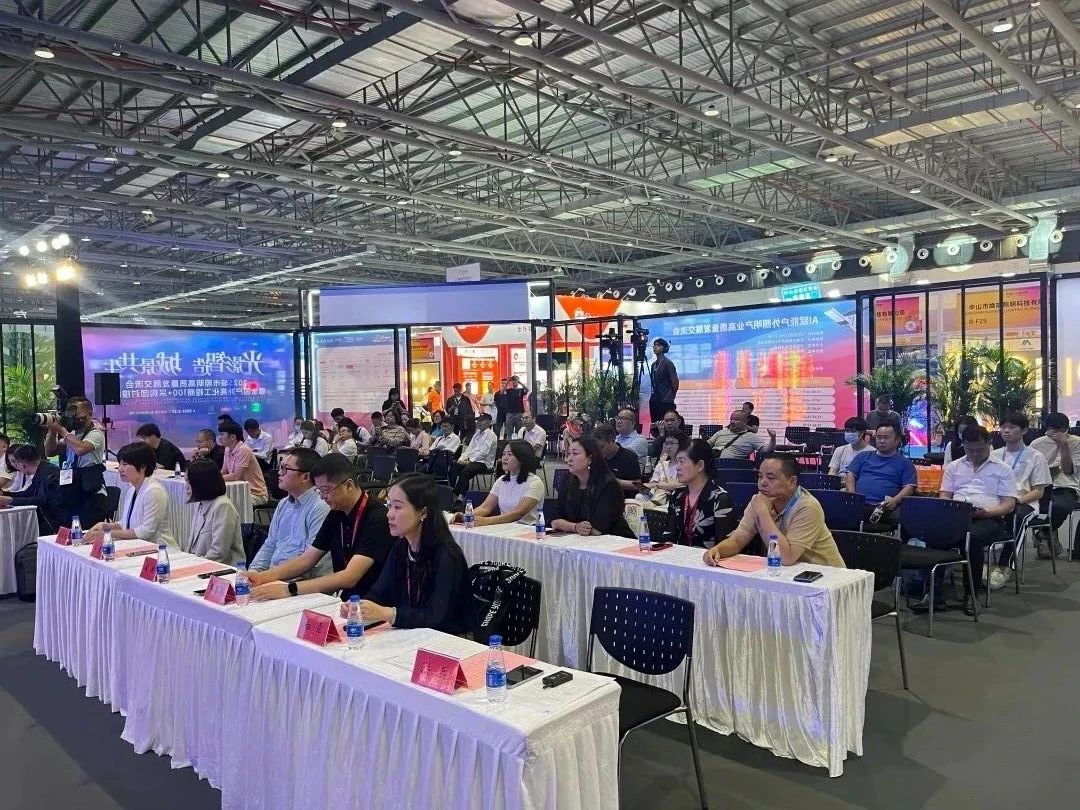
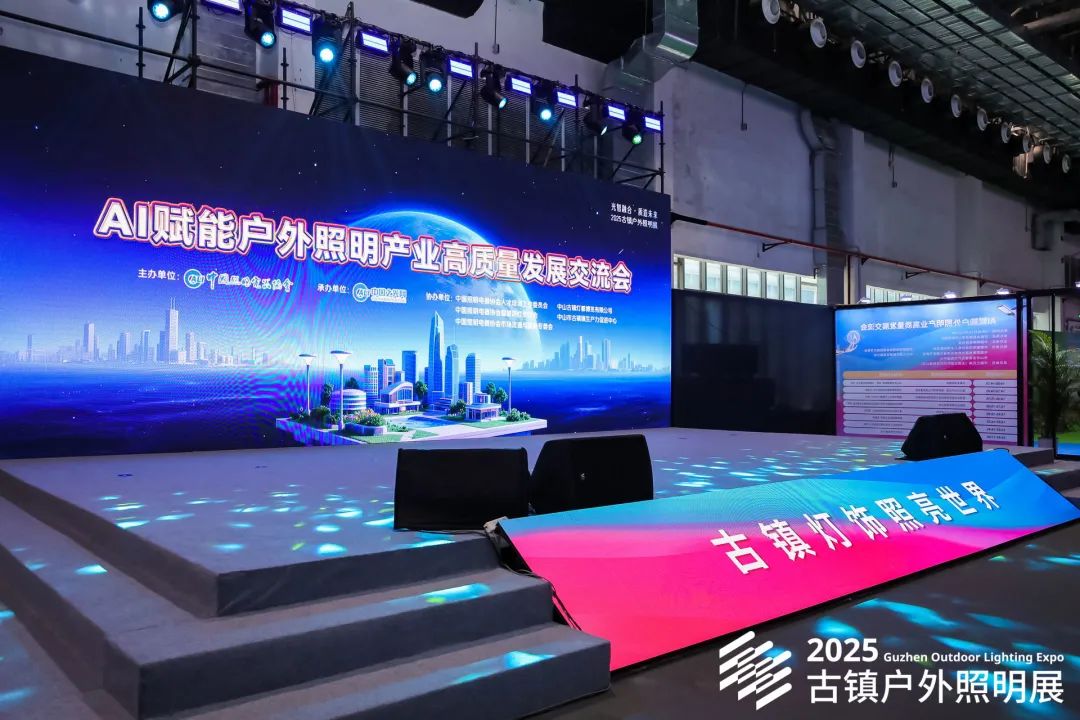
On May 26, the "AI-Enabled High-Quality Development Exchange Meeting for the Outdoor Lighting Industry," hosted by the China Association of Lighting Industry (CALI) and China Light Network, was successfully held in Guzhen, Zhongshan. The meeting gathered government leaders, industry experts, and corporate representatives to engage in in-depth discussions on the innovative applications of AI technology in the field of outdoor lighting.
Government Leadership: Anchoring New Coordinates for the AI + Lighting Industry
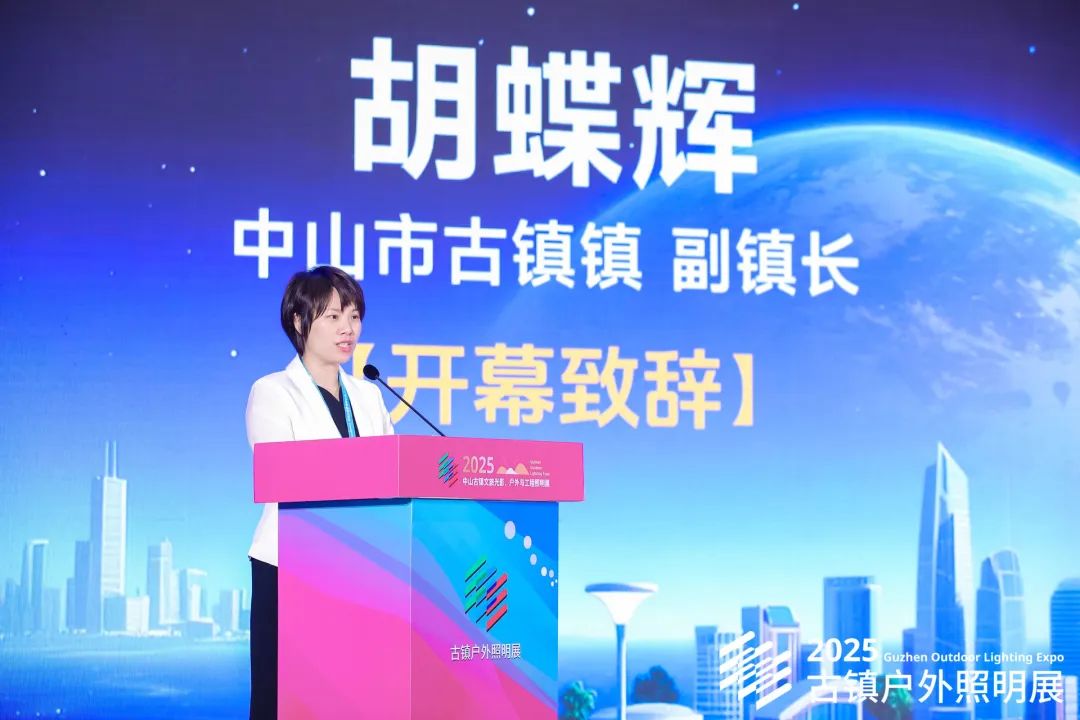
Guzhen will build an AI lighting innovation highland through the strategy of "policy support + platform building + ecosystem cultivation". By establishing industry funds, building joint laboratories, and holding design competitions, it aims to promote the large-scale application of AI in scenarios such as intelligent dimming and optimize the business environment.
She emphasized that Guzhen is not only a lighting manufacturing base, but also a source of AI lighting solutions, looking forward to promoting the transformation of scientific and technological achievements through exchange meetings, empowering high-quality development with AI.
Association Speaks Out: Building a New Ecosystem for Industrial Collaboration
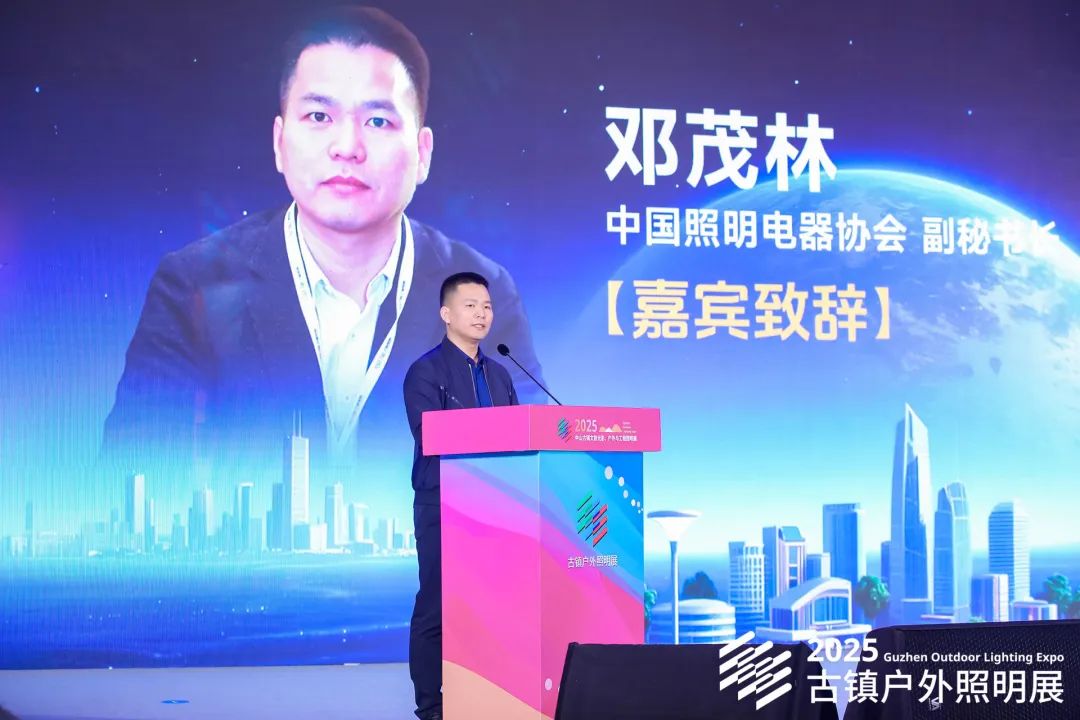
Deng Maolin stated that, with the support of national and local supporting policies and driven by the warming of the cultural tourism industry, the outdoor lighting industry has focused on resilience, safety, integration, and green low-carbon aspects. Through the empowerment of technologies such as AI and smart lighting, as well as innovations in product technology and solutions and improvements in quality, the industry has achieved substantial development. However, due to adverse effects such as the increase in low-price bidding, chaotic project implementation, and inadequate enforcement of relevant standards, the industry faces intensified competition, difficulties in integrating with the digital economy, and lagging policies and management.
Deng Maolin also stated that, to guide the healthy development of the industry, the China Association of Lighting Industry will cultivate new quality productive forces in the industry and continuously promote industrial transformation, upgrading, and high-quality development by organizing key industry activities such as the China Road Lighting Forum, improving the standardization system, strengthening research and analysis, actively providing suggestions to the government, and organizing enterprises to participate in authoritative evaluations of technological innovation.
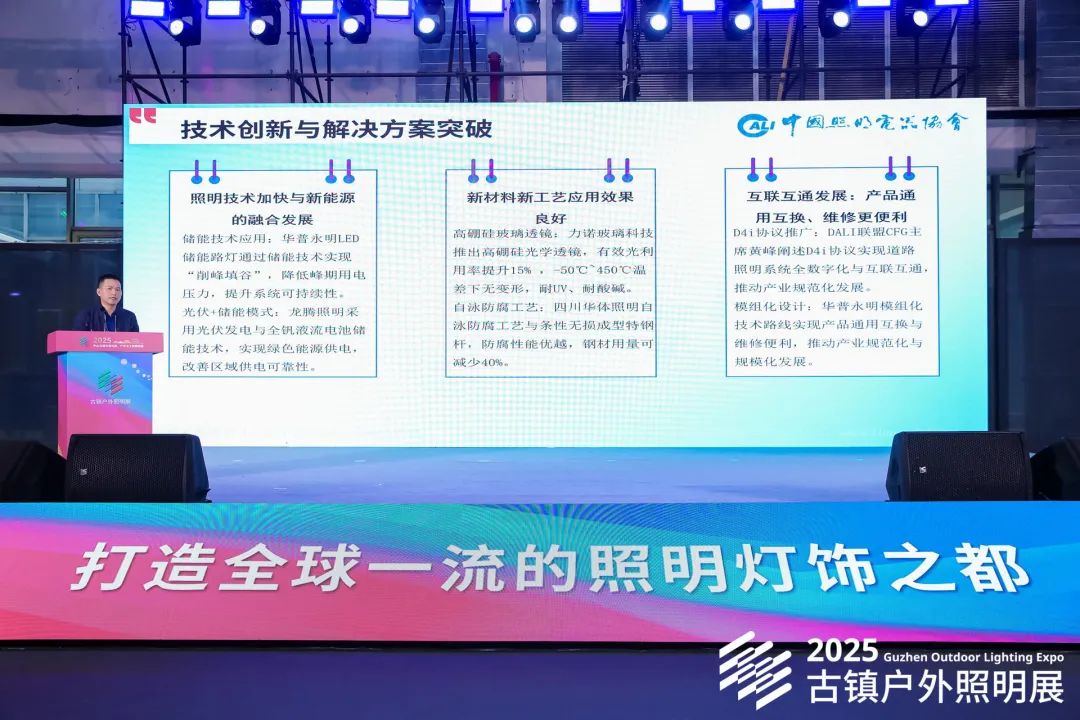
Policy Interpretation: Dual Release of National Standards and Industry Dividends
Ms. Liu Lei, Senior Engineer at the Energy Conservation Promotion Division of the National Energy Conservation Center, on behalf ofMs. Gao Hong, Director of the Energy Conservation Promotion Division of the National Energy Conservation Center, who could not attend in person, provided an in-depth interpretation of the National Standard "Functional Requirements for Smart City Smart Multi-function Pole Systems" and the "Two New" policies.
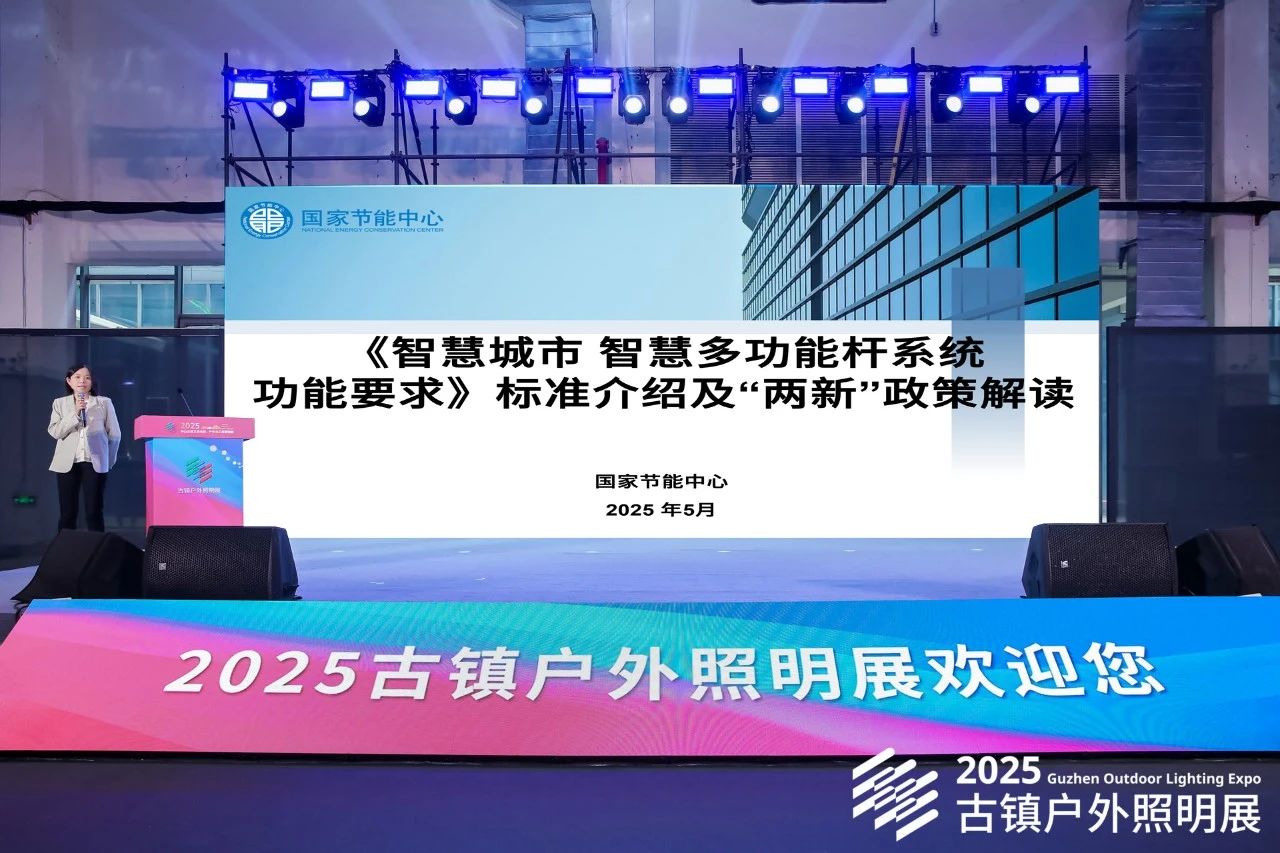
Image source: Guzhen Outdoor Lighting Exhibition
Standard Interpretation:
As the first comprehensive National standard (mandatory / recommended) in China's smart multi-function pole sector, this standard clearly defines the system functional architecture (support domain, terminal domain, edge domain, transmission domain, management platform domain) for the first time. It requires smart light poles to integrate 12 core functions, including Smart lighting / Intelligent lighting, 5G micro base stations, and environmental monitoring, and provides detailed specifications for system security (complying with Level 3 requirements for cybersecurity graded protection) and operation and maintenance management (supporting remote diagnosis and upgrades). This is not only a technical standard but also a "construction blueprint" for industry collaboration.
Policy dividends of the "Two New" initiatives:
From 2024 to 2025, the state will invest hundreds of billions of yuan in ultra-long-term special treasury bonds to support equipment upgrades, effectively driving investment growth and stimulating consumer vitality.
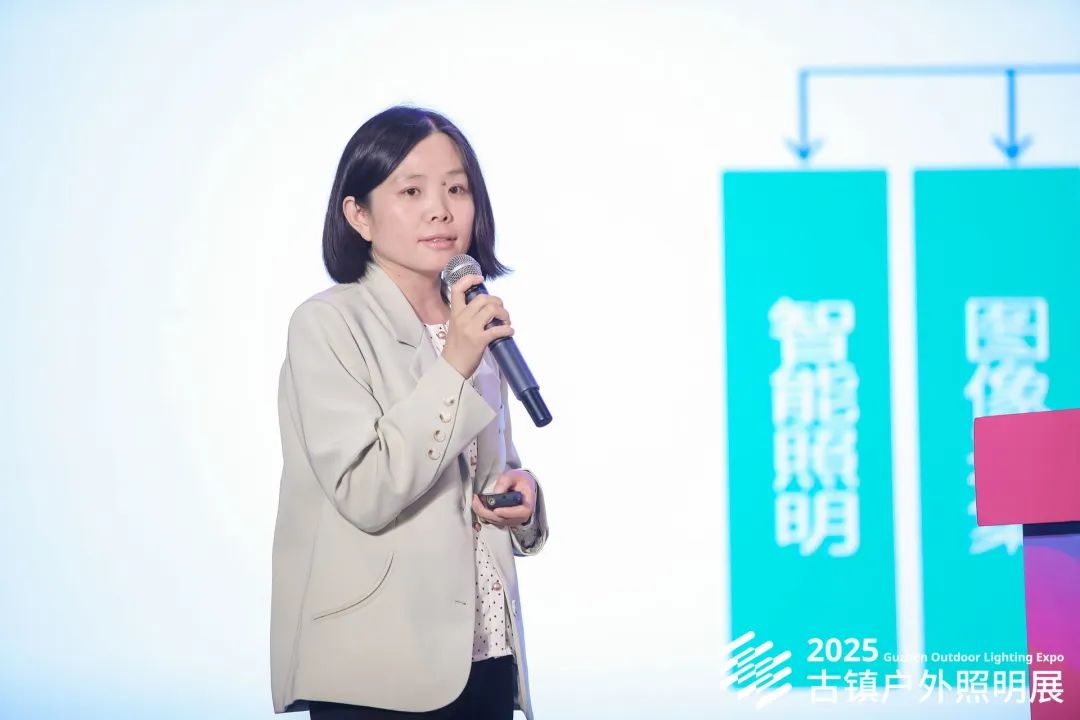
Technological breakthrough: AI reshapes lighting design and manufacturing
1 Cloud design重构s productivity
Mr. Song Te, Director of Lighting and Smart Business Solutions at Qunhe Technology's Kujiale, demonstrated how the KooLux lighting design cloud platform breaks through the efficiency blind spots of traditional lighting design. KooLux significantly reduces the time required for traditional lighting design, supports cross-platform collaboration (such as seamless integration with 3DMAX and SketchUp), and completely eliminates "data silos".
Through deep collaboration between AI algorithms and GPU clusters, designers only need to import spatial models, and KooLux can complete light environment simulation in seconds, and even verify healthy physiological illuminance EML and M-EDI in real time.
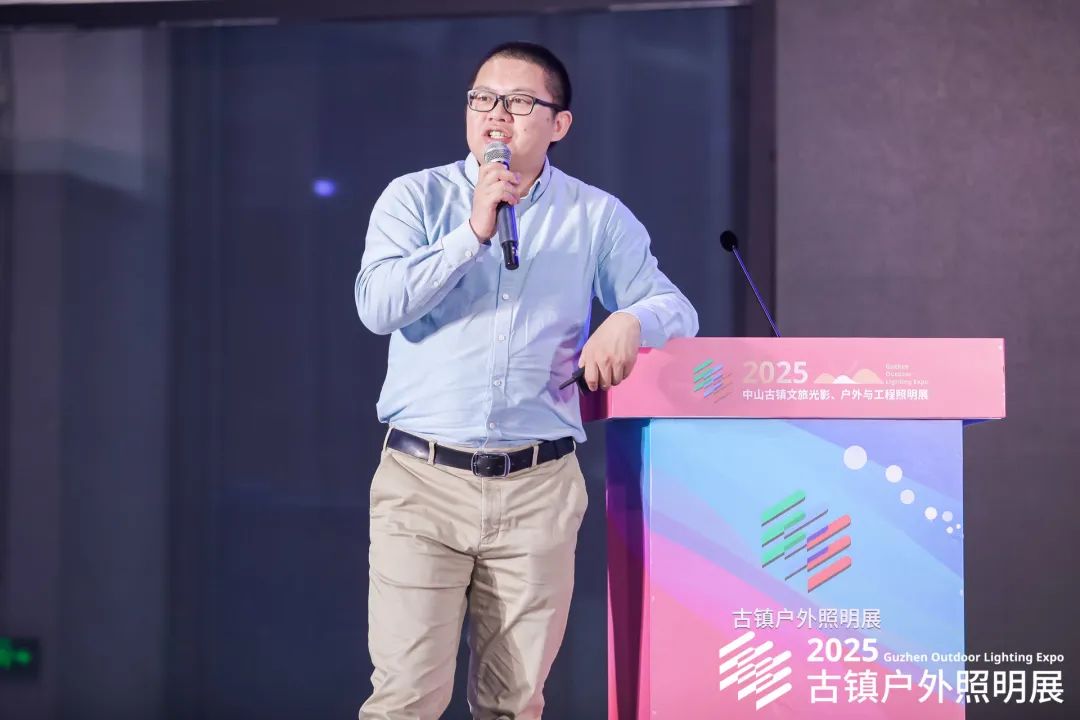
Image source: Guzhen Outdoor Lighting Exhibition
According to Mr. Song Te, the KooLux Lighting Design Cloud platform already covers multiple fields such as home, commercial offices, municipal transportation, landscape architecture, and industrial production, achieving high-standard luminous efficacy simulation and intelligent scenario proposals. We look forward to designers, manufacturers, and clients jointly building a cloud ecosystem, driving the industry from "experience-driven" to "data-intelligence-driven".
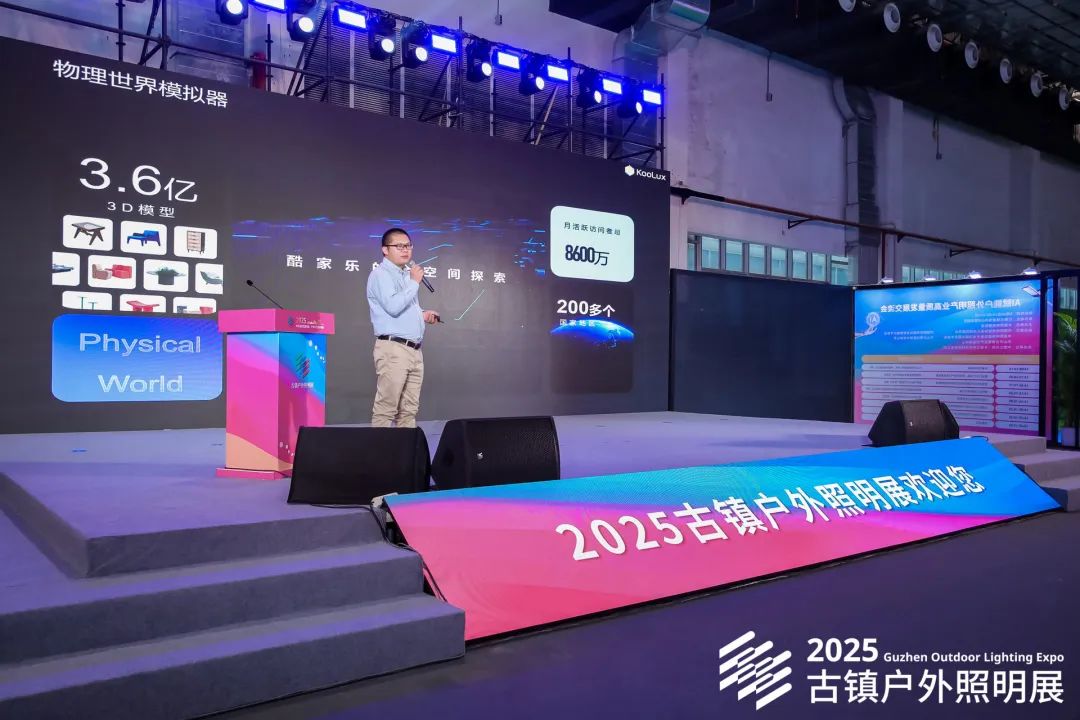
Image source: Guzhen Outdoor Lighting Exhibition
2 AI-driven omnichannel marketing revolution
Ms. Hou Dingwen, founder of Jianzhong Zhiye & DRD Design and Research Institute, systematically outlined the iterative path of business models in the lighting industry in her speech "New Strategic Growth for Lighting Enterprises in the AI Era": before 2010 was the 1.0 traditional lighting era dominated by single-category product sales; 2010-2019 entered the 2.0 energy-saving healthy lighting era, with the core shifting to the promotion of LED energy-saving products; 2019-2024 upgraded to the 3.0 whole-house smart lighting era, focusing on smart products and whole-house scenario solutions; and starting from 2025, we will welcome the 4.0 AI seamless smart lighting era, centered on AI technology-driven seamless intelligent solutions.
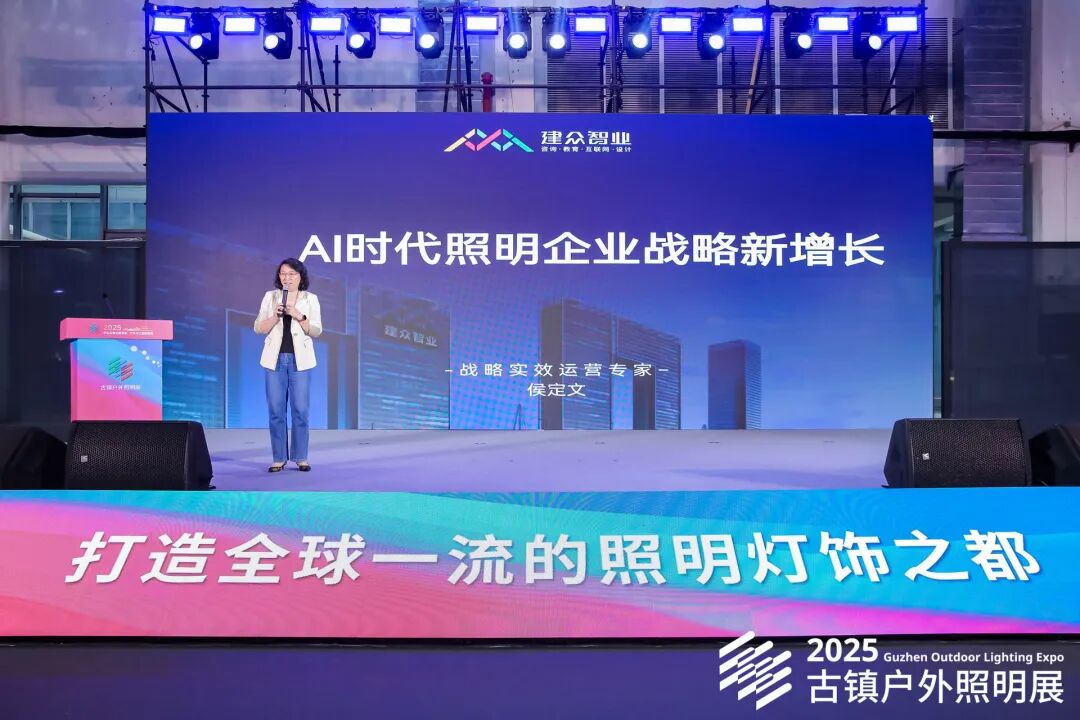
Image source: Guzhen Outdoor Lighting Exhibition
Citing a well-known lighting enterprise as an example, she pointed out that the company is seizing the AI smart lighting track by integrating global AI technology resources and strengthening its consumer-side technology reserves. Its brand philosophy of "instantly understanding users" achieves precise insight into user needs through the AI intelligent butler system and ecological product linking, highlighting the deep empowerment of AI technology on living experience.
Ms. Hou Dingwen also showcased cases demonstrating the efficiency-enhancing value of AI at the operational level: a lighting company achieved 80 million natural exposures on Douyin and a 20% performance growth through a layered account strategy (real people + AI digital humans + AI intelligent mixed editing). She emphasized that companies need to focus on the "meta-capabilities" that AI cannot replace—curiosity, empathy, and critical thinking, using AI as a strategic amplifier rather than a substitute, building differentiated competitiveness in the smart lighting era through strategic upgrades and precise content marketing.
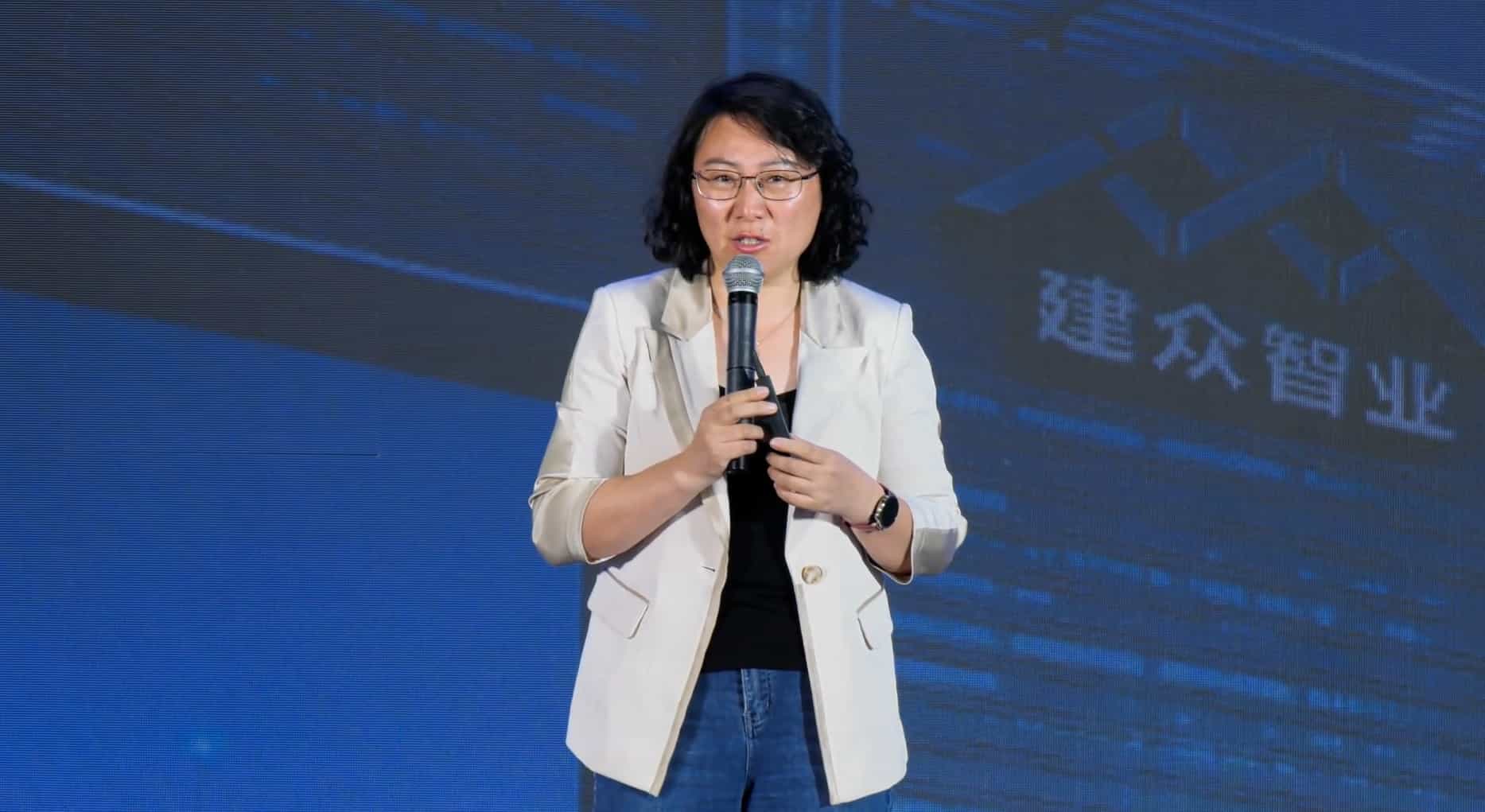
Image source: Guzhen Outdoor Lighting Exhibition
3 3D Printing + AI Ushers in the Era of Customization
Mr. Li Chunge, Deputy Chief Engineer of Hangzhou Yongdian, shared insights that bring AI technology from "virtual design" into "physical manufacturing" scenarios, showcasing a new industry paradigm of "digital twin + physical realization".
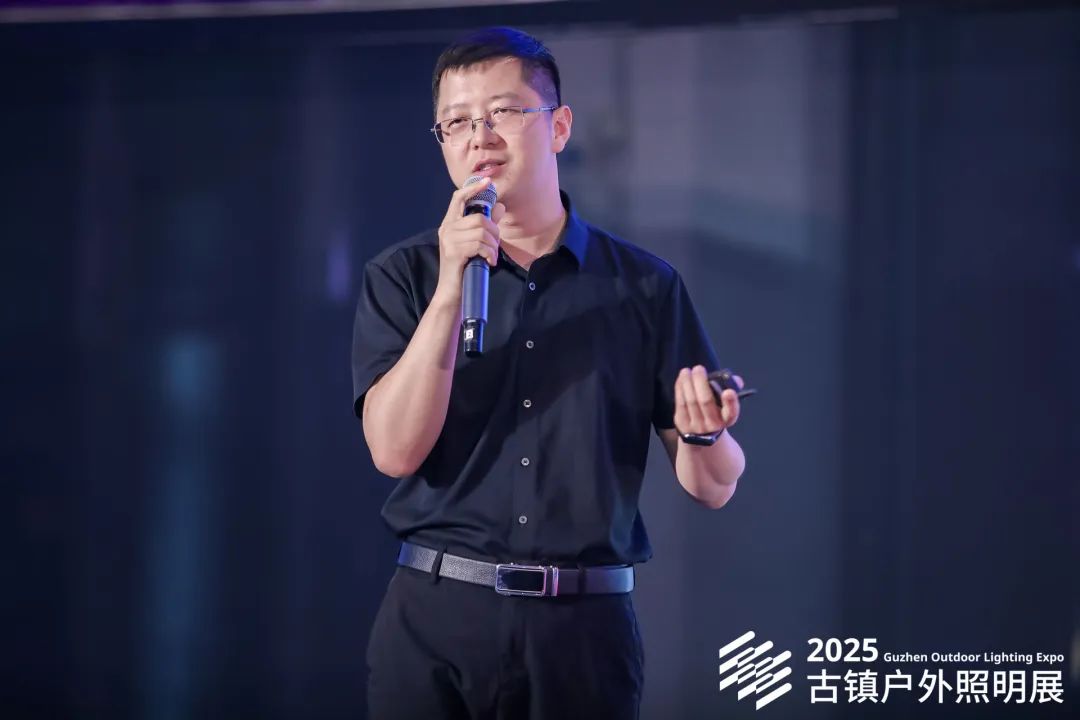
Image source: Guzhen Outdoor Lighting Exhibition
AI Formulation Revolution of MMLA Polymer Alloy Consumables: By optimizing material ratios through machine learning, Yongdian's developed MMLA consumables achieve core breakthroughs such as V-0 flame retardancy (highest flame retardant grade), UV aging resistance (no fading for 5-10 years), and a 30% improvement in light transmission uniformity. They also support printing without drying, with dimensional stability error <0.1%, thoroughly solving the pain points of traditional 3D printing materials prone to aging and poor light transmission.
AI-Driven Industrialization of Creativity: Leveraging self-developed 3D printing equipment, the team can transform abstract concepts such as mythical beasts from "Shan Hai Jing" (e.g., Nine-Tailed Fox, Torch Dragon) and regional cultural symbols (e.g., floral elements of the Hangzhou Asian Games) into printable 3D models through AI modeling technology. For the "Asian Flower Theme Park Bamboo Lamp" customized for the Hangzhou Asian Games, the time from cultural element extraction to luminaire mass production was significantly shortened, markedly improving efficiency compared to traditional processes.
Mr. Li Chunge stated that the deep integration of AI and 3D printing is not merely a superposition of technological innovations, but a key breakthrough in upgrading lighting products from "standardized industrial parts" to "carriers of cultural heritage" . By empowering material R&D and creative transformation with AI, the lighting industry is breaking through traditional manufacturing boundaries, accelerating towards the new track of "cultural customization," injecting unique cultural DNA into urban nightscape, and promoting the reconstruction of industrial value where "lighting is culture."
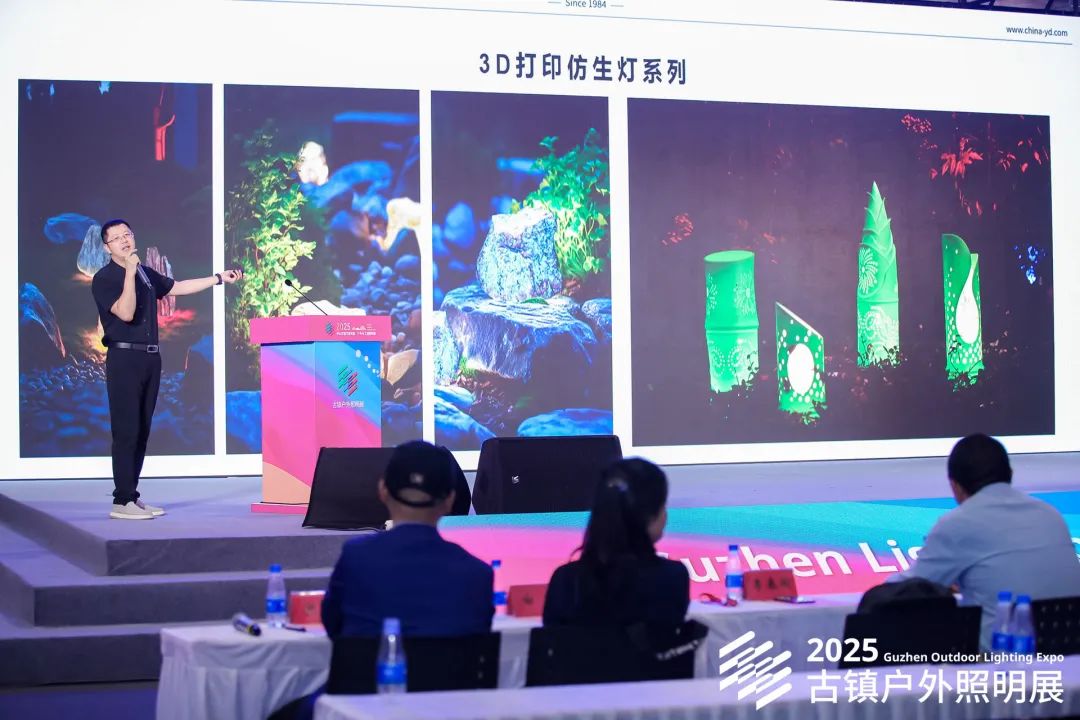
Image source: Guzhen Outdoor Lighting Exhibition
Talent Empowerment: Building an AI Lighting Talent Pyramid
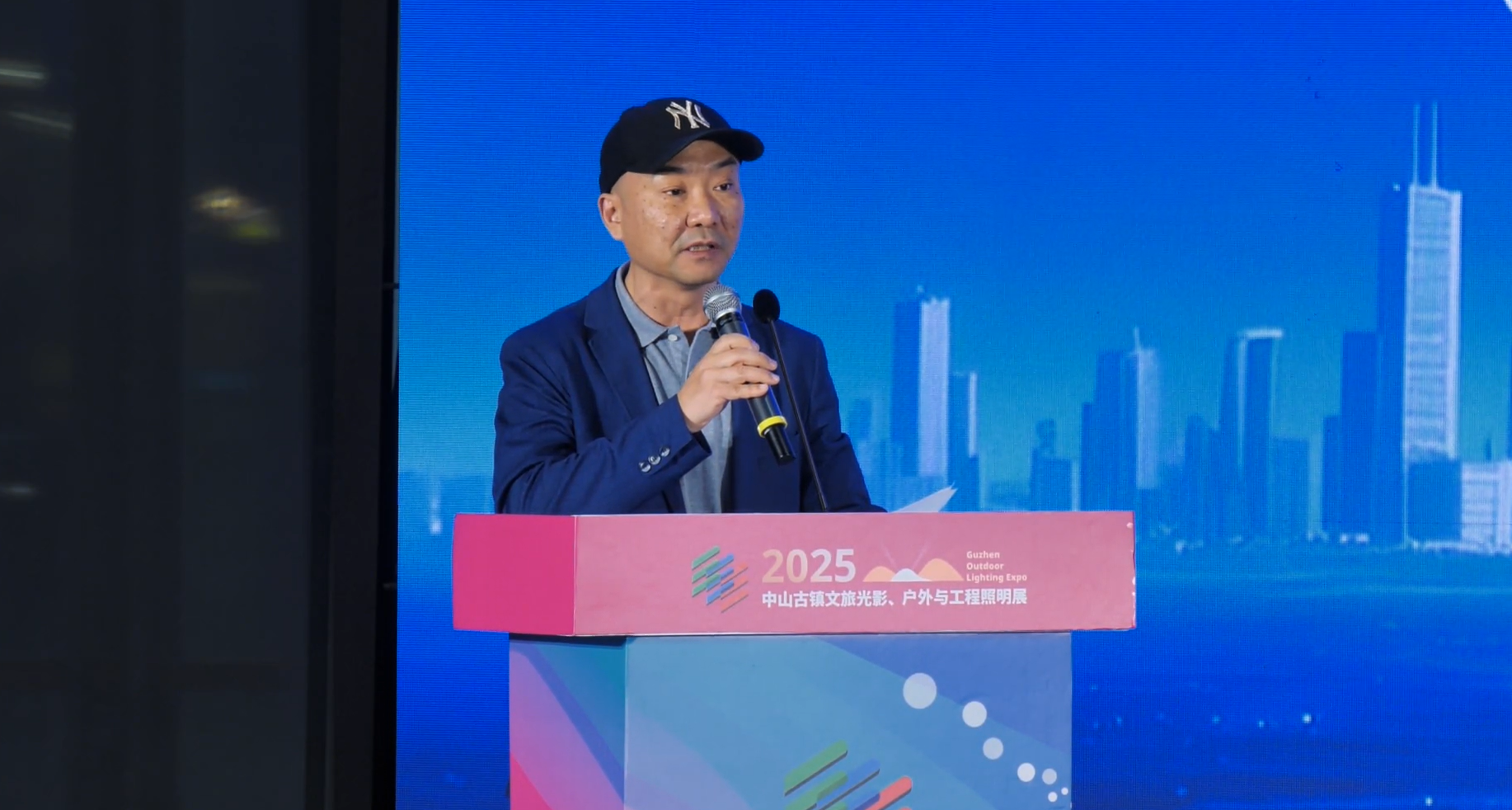
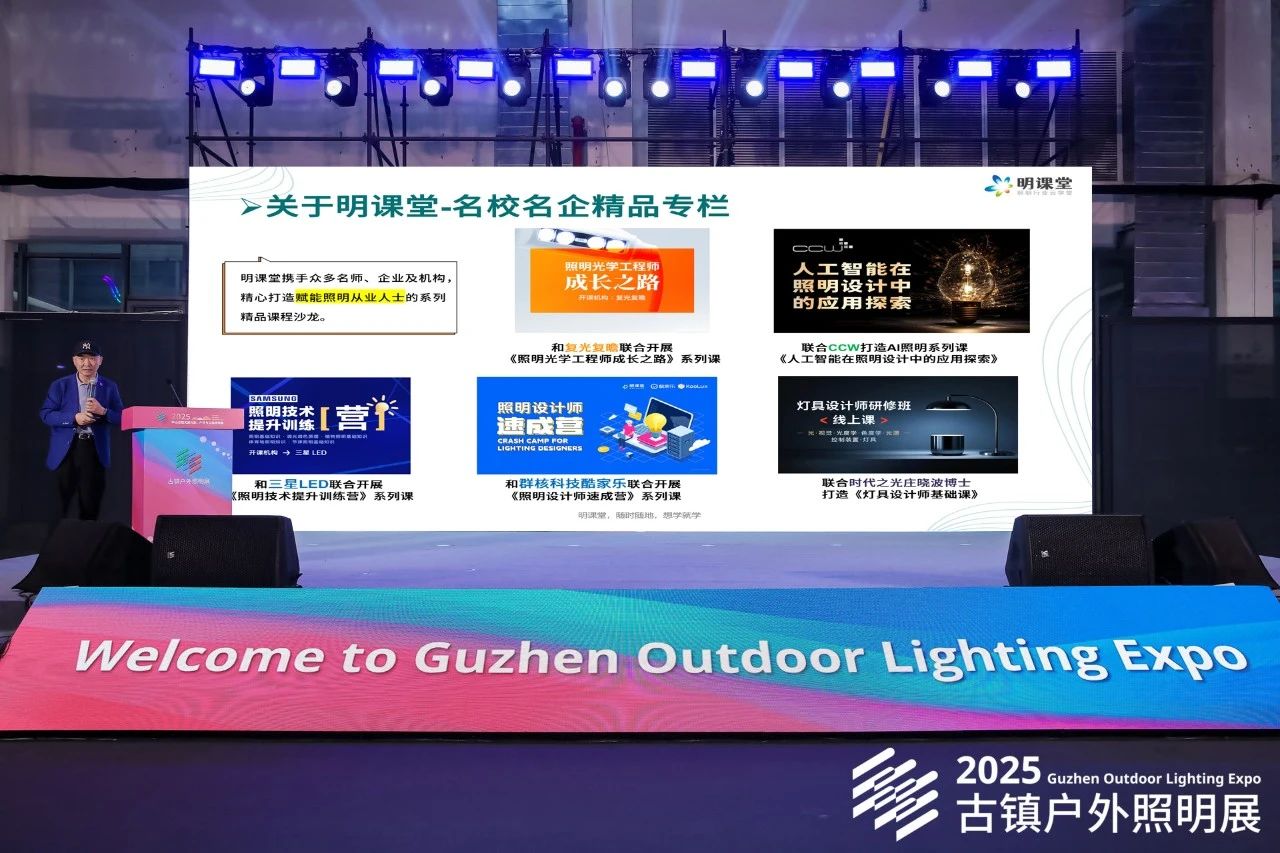
Mr. Hong Bing, Deputy Director of the Talent Training Working Committee of the China Association of Lighting Industry (CALI), pointed out at the conference that the shortage of talent is the "last mile" bottleneck restricting the intelligent transformation of the outdoor lighting industry. Facing the urgent industry demand for composite talents in AI technology application, intelligent design, and data operations, Ming Classroom, as an authoritative industry training platform, builds a full-chain talent development ecosystem covering "knowledge learning — competency certification — practical application" through the "AI Training + Certification System + Tool Empowerment" trinity model.
Course Innovation: Anchoring to the Technological Frontier, Creating a Practical Course Matrix
AIGC Lighting Design Advanced Seminar:Deeply integrate AIGC technology with lighting design practice. Students can unleash creative inspiration using AI tools such as Midjourney, Stable Diffusion, and ComfyUI, and achieve skills like second-level light environment simulation and intelligent scenario proposals through the KooLux Lighting Design Cloud Platform, enabling rapid full-process operation from creativity to solution.
Industry-customized Training:Develop specialized courses tailored to enterprise needs, such as "3D Printing + AI Lighting Applications" and "LED Intelligent Control Technology," to solve practical difficulties in technology conversion.
Mr. Hong Bing emphasized the foundational role of talent development in the AI-empowered lighting industry. Ming Classroom has formed a talent ecosystem of "systematic training, authoritative certification, and supported practice" by breaking down knowledge barriers through course innovation, building career pathways via certification systems, and activating innovation momentum through accessible tools. This model not only supplies the industry with a large number of "AI + Lighting" composite talents but also promotes the leap of the supply chain towards intelligence and high-end positioning through the optimization and upgrading of the talent chain, providing solid guarantees for China's lighting industry to seize the initiative in global competition.
Conclusion