
When AI Meets Outdoor Lighting: Decoding the Path to Breakthrough in a Trillion-Dollar Market
With commercial construction in emerging economies and growing demand for green energy saving and smart lighting, the global outdoor lighting market is showing steady expansion. According to relevant reports, the global outdoor lighting market size was approximately USD 37.4 billion in 2023, and is expected to grow at a compound annual growth rate of 5.1% from 2024 to 2032, reaching USD 51.62 billion by 2032.
In China, this market has also shown strong growth in recent years. According to relevant data reports,the scale of China's outdoor lighting market (including displays and smart systems) grew from 124.761 billion yuan in 2019 to 177.574 billion yuan in 2023,with a compound annual growth rate of 9.23%, indicating broad industry prospects.
However, while the industry is booming,it still faces pain points such as high energy consumption, low operation and maintenance efficiency, and design homogenization. Traditional lighting systems rely on manual control, making it difficult to achieve dynamic energy saving; meanwhile, the problem of data silos leads to a lack of scientific basis for light environment optimization.

5月8日,由浙江省照明电器协会、宁波市照明电器行业协会和中国之光网主办的【AI + 户外照明产业创新论坛】在宁波国际照明展览会上盛大举行。
The forum gathered more than 200 representatives from the government, associations, enterprises, and academia. The Shanghai Lighting Electrical Industry Association, Changzhou Lighting Electrical Association, Gaoyou Luminaire Association, and others organized strong delegations to attend, highlighting the industry's high attention to the integrated development of AI and outdoor lighting.
The forum took "Policy Standards - Technological Innovation - Scenario Applications" as its core dimensions, aiming to deeply explore the integration path of AI technology and outdoor lighting, and to seek new opportunities for industry development and corporate cooperation.
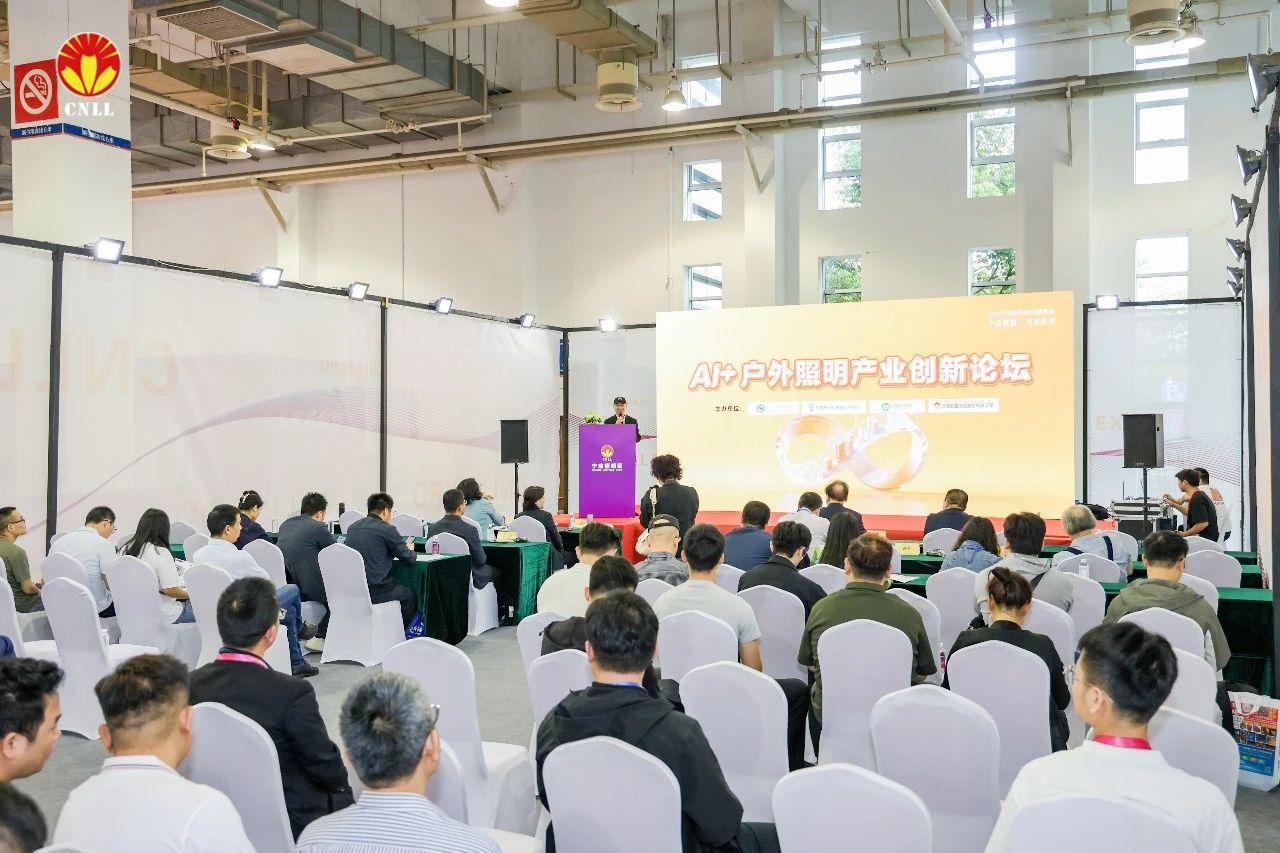
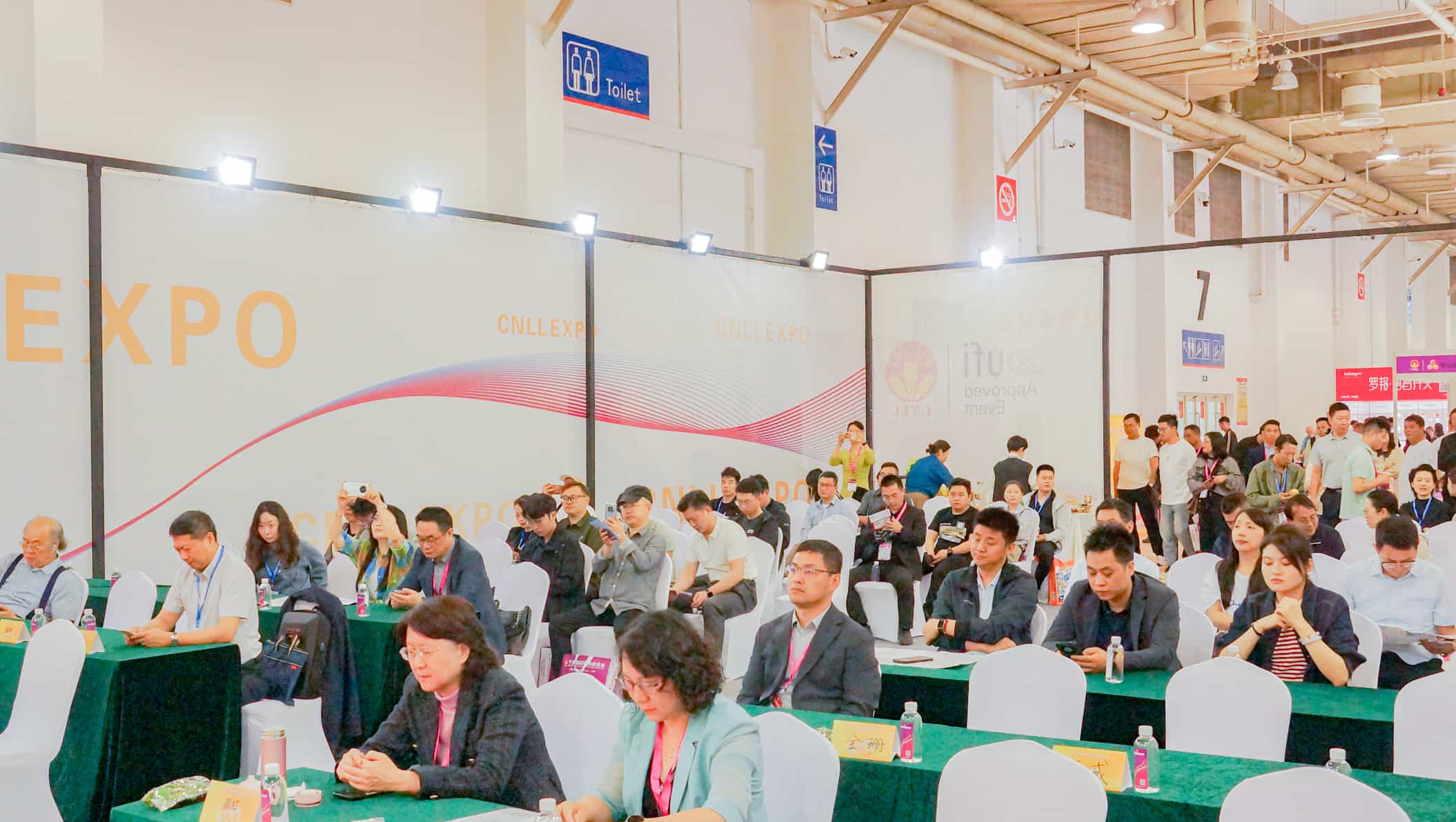
Collaborative innovation, building the AI+ lighting ecosystem together
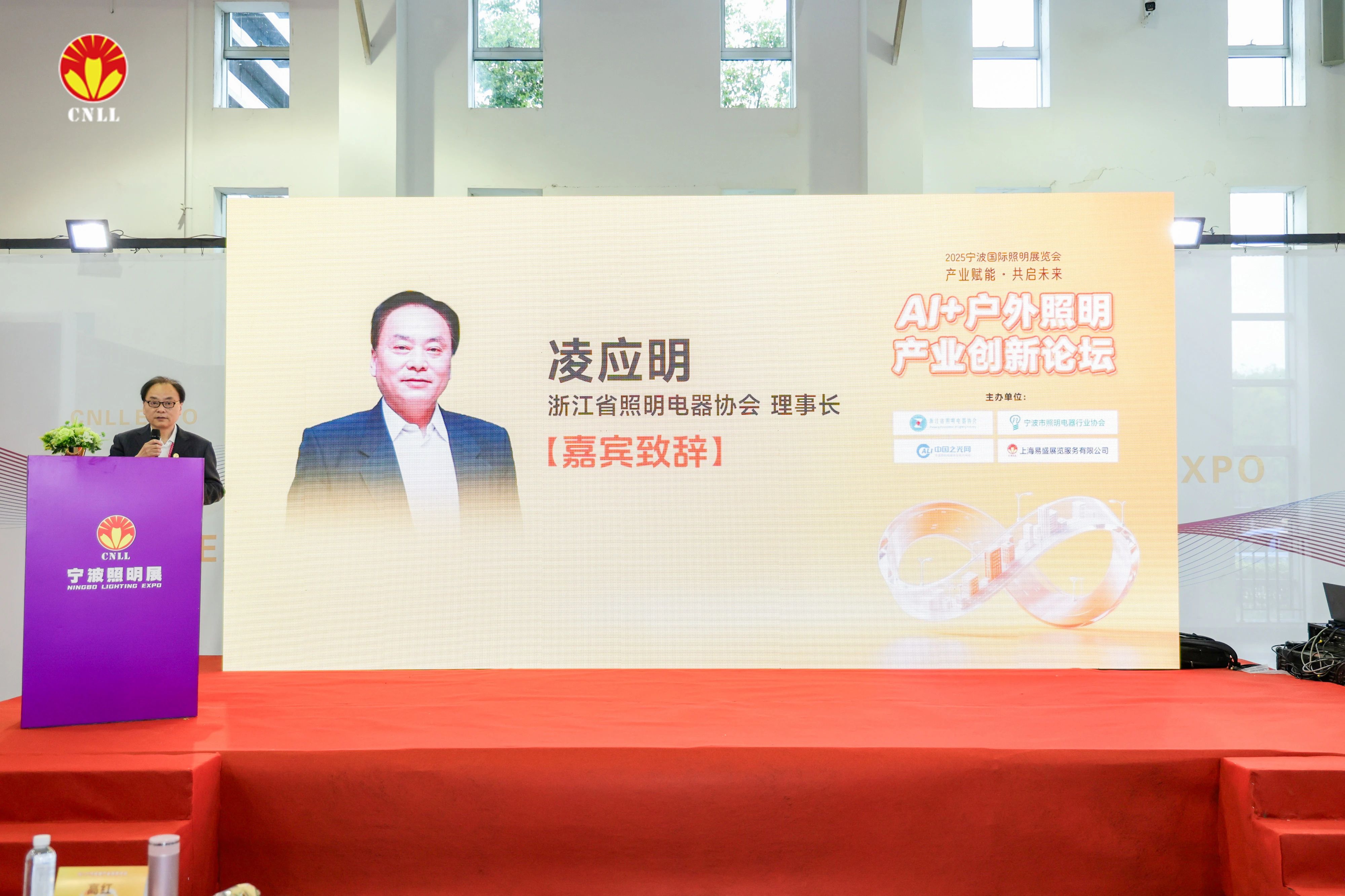
Mr. Ling Yingming, Chairman of the Zhejiang Lighting Electrical Associationdelivered the opening address first. He pointed out that AI technology is driving the lighting industry to transform from functional to smart, becoming a carrier of smart life and a link for industrial transformation. As a highland of the lighting industry, Zhejiang promotes industrial upgrading through six major measures: policy coordination, technology pilots, ecosystem building, deepening standard leadership, strengthening scenario empowerment, and promoting resource sharing. These include participating in the formulation of National standards (mandatory / recommended), implementing AI Smart streetlight / Smart pole projects, building industry-university-research platforms to accelerate technology transfer, strengthening application in scenarios such as the Asian Games, and opening data platforms to help SMEs transform.
Chairman Ling Yingming emphasized that AI+ lighting requires collaborative innovation across the entire Industry / Supply chain. He expressed hope that this Forum / Conference / Exhibition would build consensus, with enterprises, academia, and government jointly building an open ecosystem. Through technology sharing and co-creation of scenarios, they aim to achieve a green and sustainable industrial leap, jointly lighting up a smart future.
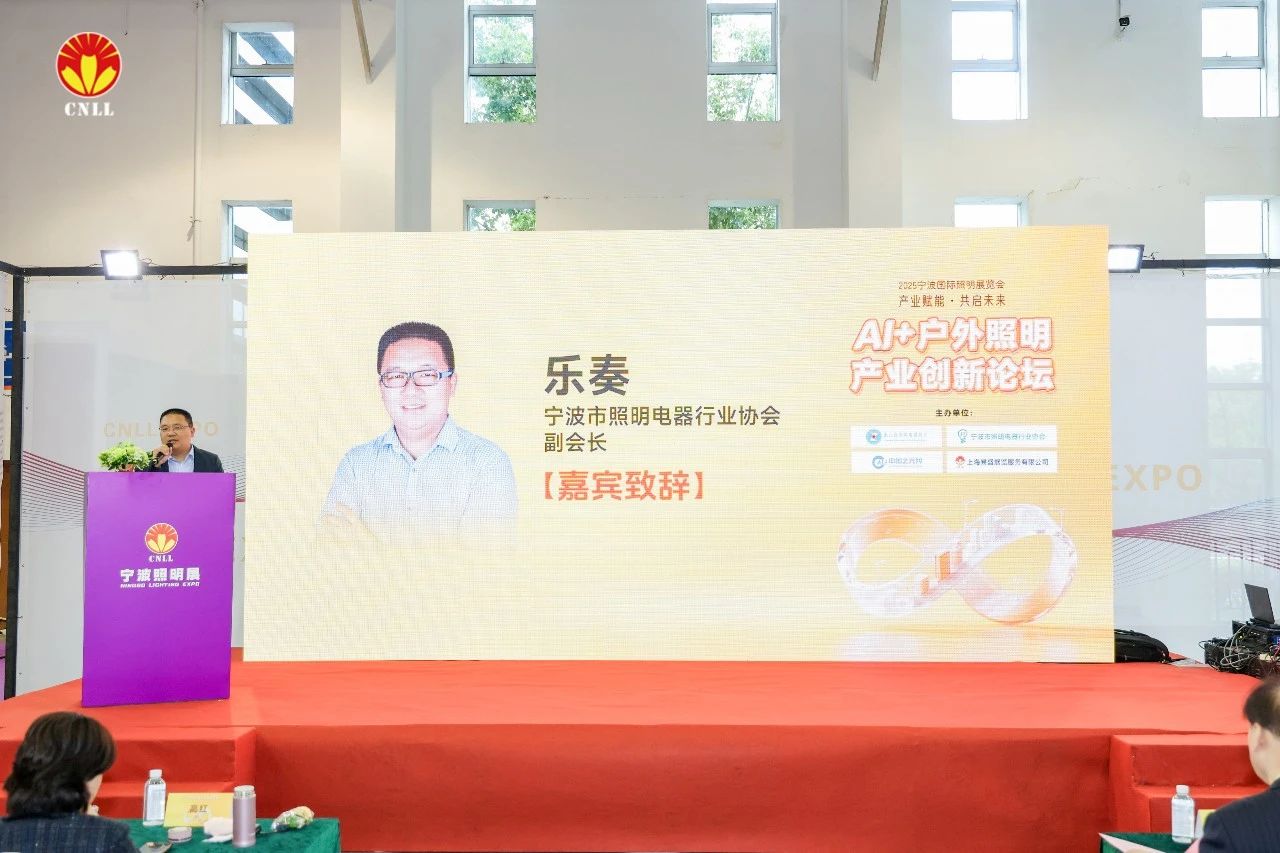
Le Zou, Vice President of the Ningbo Lighting Electrical Industry Associationstated in his address that, as a promoter of the lighting industry in the Yangtze River Delta, the association will promote the deep integration of AI technology and the lighting industry through three paths: "resource integration, case promotion, and ecosystem building". This includes linking government, enterprises, and schools to advance AI technology pilot applications; supporting members to participate in benchmark projects to output smart solutions; and promoting collaborative innovation in the Industry / Supply chain through diverse activities.
Vice President Le Zou stated that, in the future,the Ningbo Lighting Electrical Appliance Industry Associationwill strengthen government-enterprise collaboration, help enterprises seize opportunities in "New Infrastructure" and "Dual Carbon", promote AI tool data sharing, lower the transformation threshold for SMEs, leverage Ningbo's foreign trade advantages to help expand markets along the "Belt and Road", and build an innovation ecosystem with the association as a link.
Activating green economic momentum
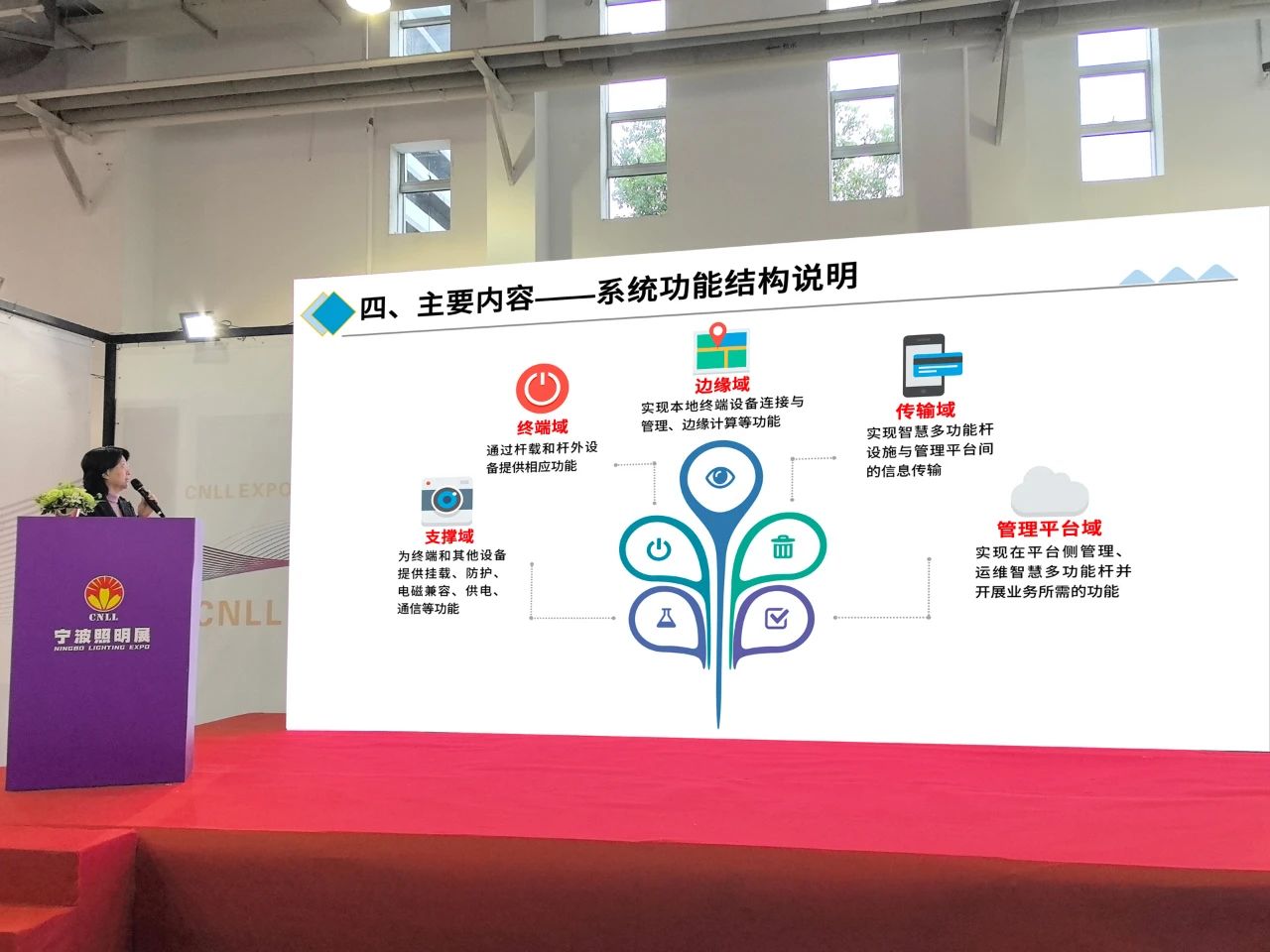
Ms. Gao Hong, Director of the Energy Saving Promotion Division at the National Energy Conservation Centerprovided an interpretation focusing on the standard "Functional Requirements for Smart City Smart Multi-functional Pole Systems" and the "Two New" policies regarding large-scale equipment updates and consumer goods trade-ins.
Regarding standards: As a key entry point and communication carrier for smart cities, smart multifunctional poles suffer from technological fragmentation due to the lack of unified standards. Led by the National Energy Conservation Center, this standard was compiled over three years, released in August 2024, and implemented in March 2025. It aims to standardize system functional structures, safety, and operation and maintenance requirements, coordinate with existing national standards for service functions, promote technical compatibility and intensive construction, support the development of emerging industries such as 5G and the Internet of Things, and enhance urban governance levels.
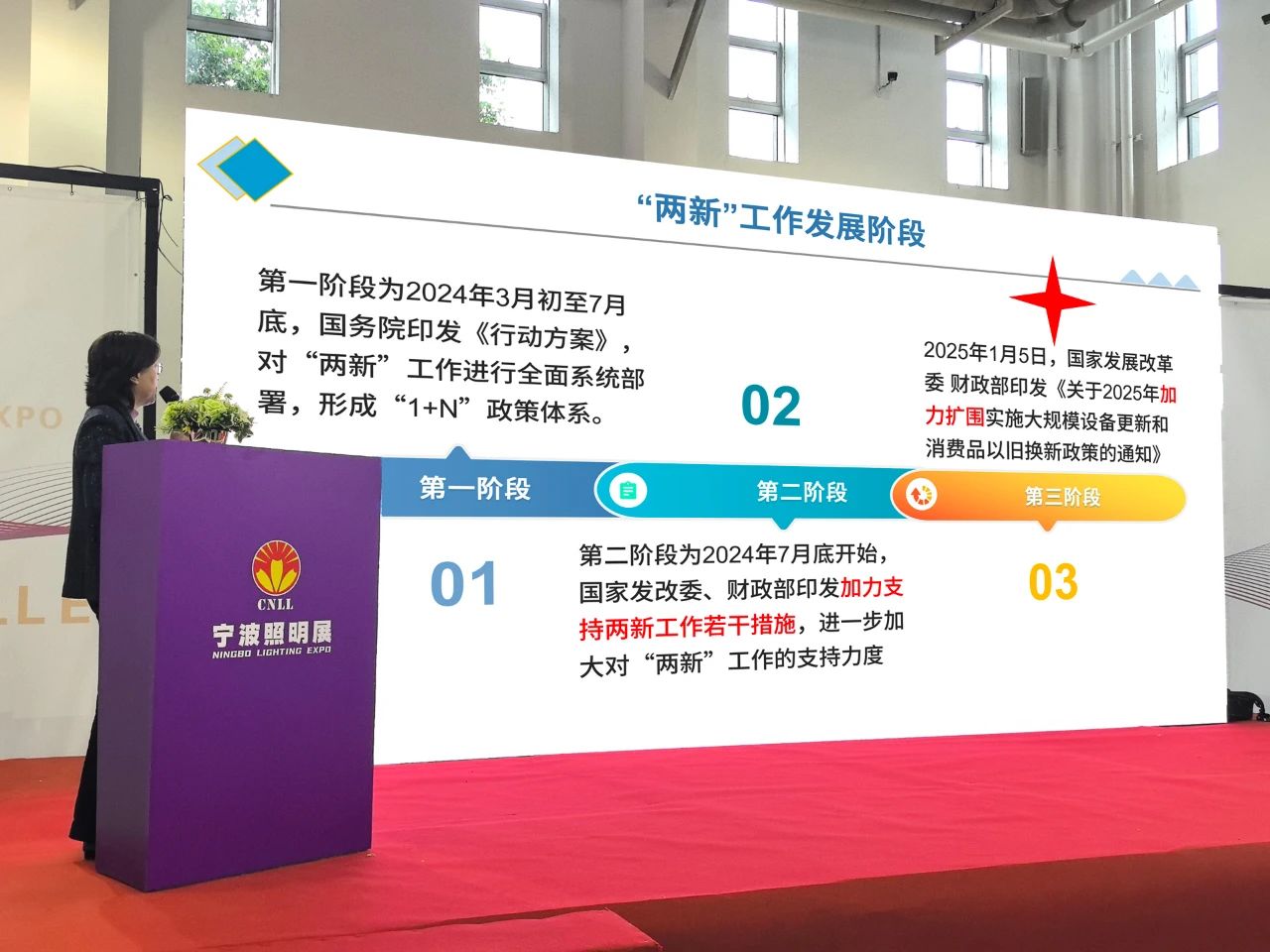
Regarding the "Two New" policies: China has over 5 billion units of high-energy-consuming equipment, accounting for 70% of the national annual energy consumption, with prominent issues of overdue appliance use. The policy is promoted in three stages: In 2024, the focus was on deploying equipment updates and trade-in programs, forming a "1+N" policy system; in July of the same year, fiscal, tax, and financial support were increased; in 2025, the scope will expand to all fields, strengthening recycling cycles and standard leadership. In 2024, energy savings of 28 million tons of standard coal and carbon dioxide emissions reduction of 73 million tons were achieved, and in 2025, economic and ecological benefits will be further stimulated through measures such as loan interest subsidies and tax reductions.
Design|Efficiency|Ecological Trinity
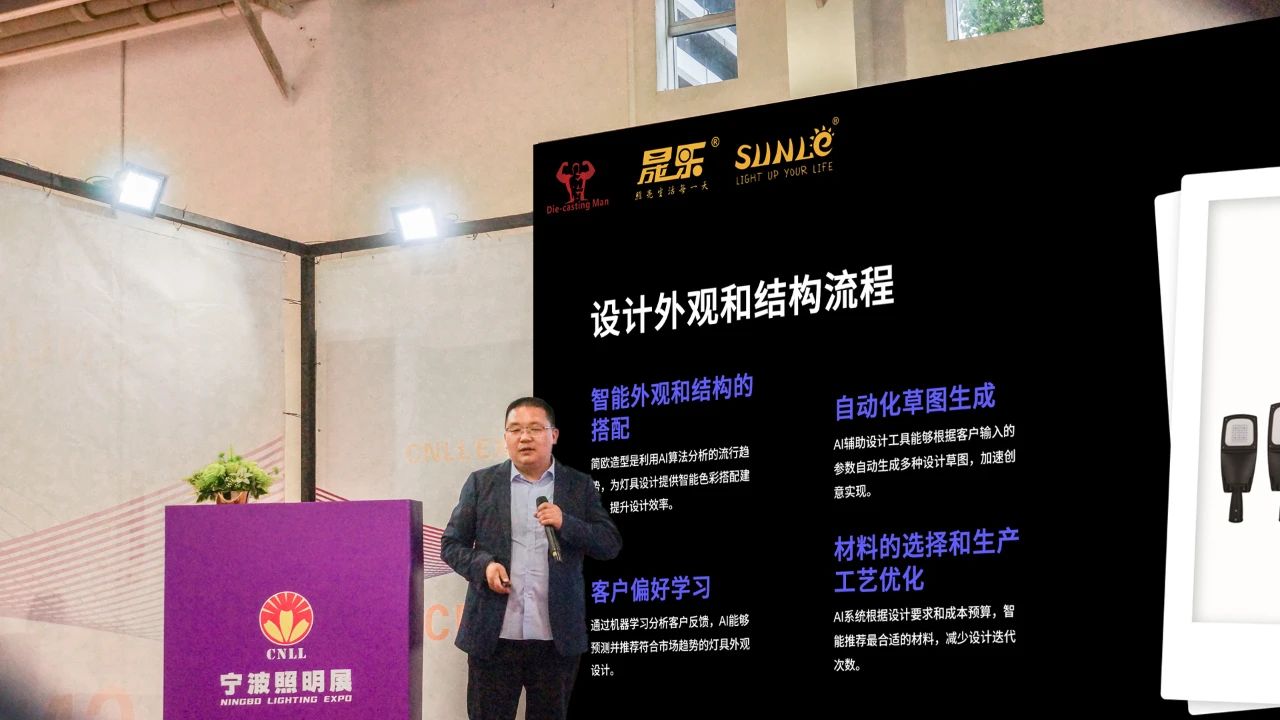
Mr. Le Zou, Chairman of the Board of Directors of Ningbo Yasheng Lighting Group Co., Ltd.elaborated on the complete application of AI in smart city lighting during his speech.
Design Phase - Luminaire Appearance Design:Utilize AI algorithms to analyze trends and customer feedback, provide color combinations and material recommendations, generate design sketches, and automate mold flow analysis and trend prediction, thereby improving design efficiency and quality.
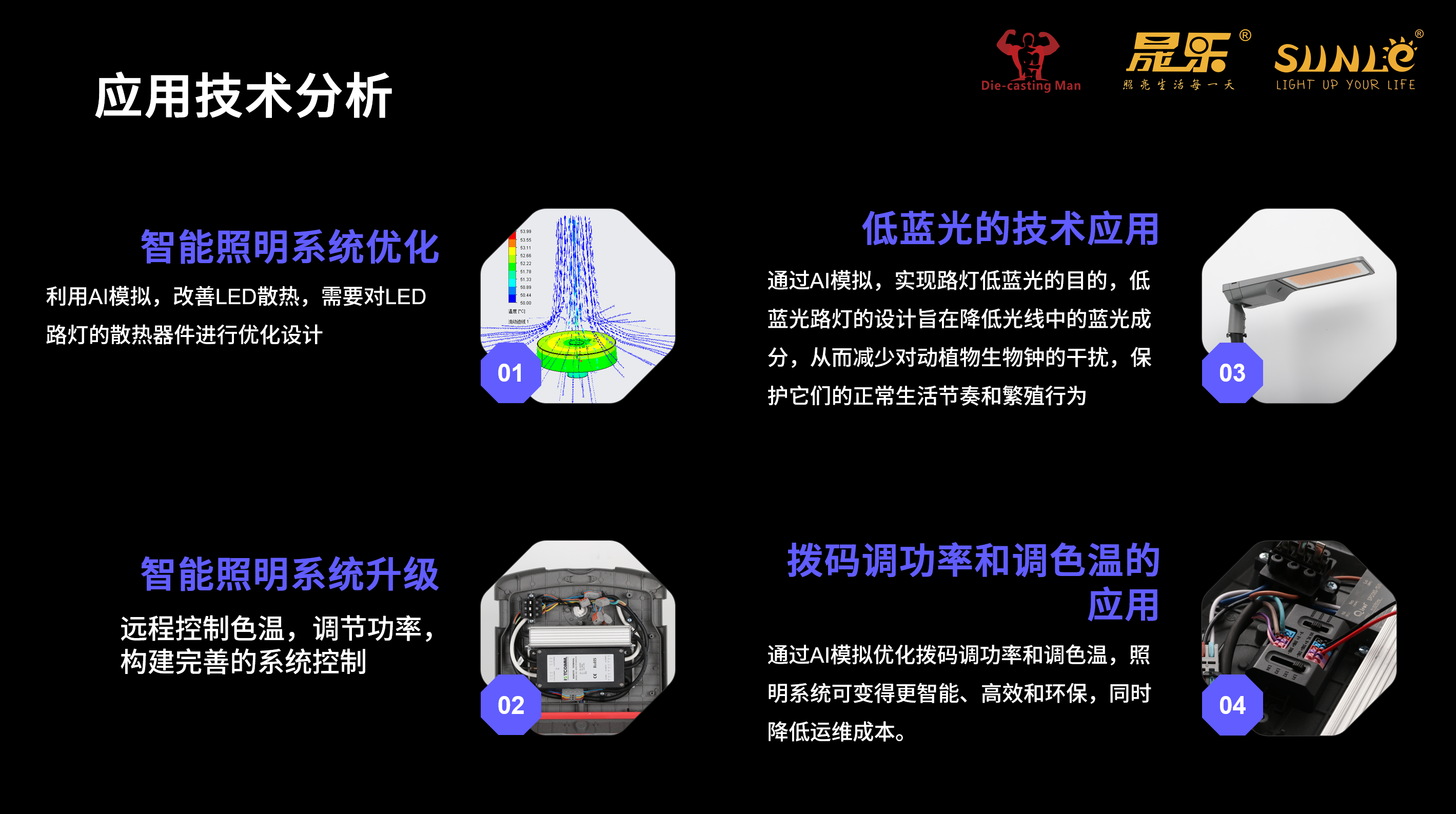
Technical Phase - Road Lighting Application Technology:AI simulation technology can optimize LED heat dissipation structures, achieve low blue light design, optimize DIP switch power adjustment and tunable white / CCT tuning, accelerate design iteration, and reduce testing costs.
Operations and Maintenance Phase - Outdoor Lighting Product Selection:By analyzing traffic and environmental data through AI systems, intelligently recommend street light configurations, adjust luminance and on/off times, predict failures, optimize energy consumption, reduce O&M costs, and inject new intelligent and sustainable momentum into smart city lighting.
AI-driven Strategic Upgrade for Lighting Enterprises
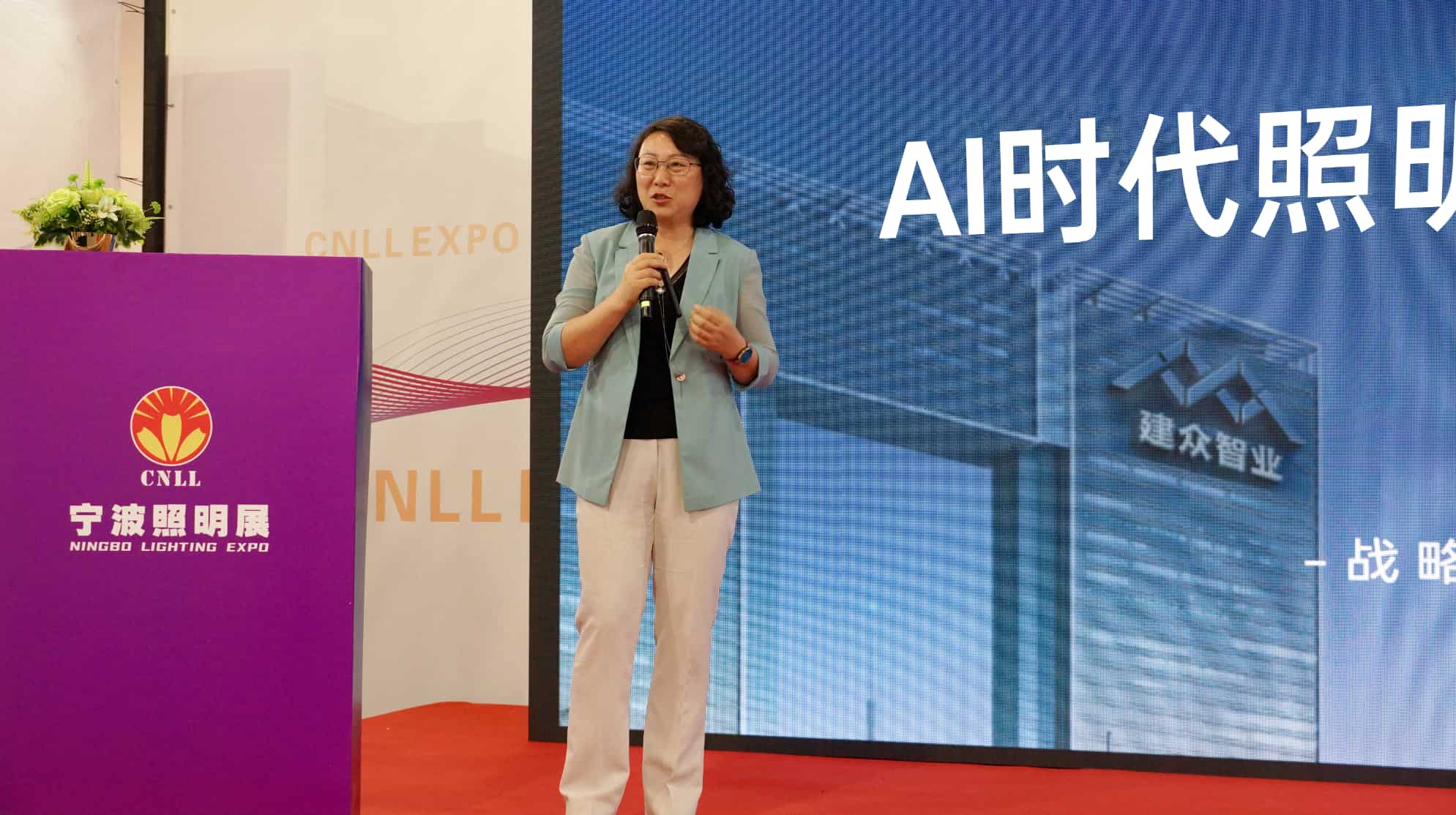
Ms. Hou Dingwen, founder of Jianzhong Zhiye & DRD Design and Research Institute, outlined the iterative path of business models in the lighting industry in her speech "New Growth Strategies for Lighting Enterprises in the AI Era": from single-product sales before 2010, to whole-house smart product solutions in 2019, and then to the 4.0 era in 2025 centered on AI seamless smart lighting solutions. Citing a well-known lighting enterprise as an example, she pointed out that the company is seizing the AI smart lighting track by integrating resources and strengthening its consumer-side technical reserves, with its brand concept of "instantly understanding users" highlighting the deep empowerment of user experience by AI technology.
Ms. Hou Dingwen also presented cases demonstrating the efficiency-enhancing value of AI at the operational level: a lighting company achieved 80 million natural exposures on Douyin and a 20% performance growth through a tiered account strategy (real people + AI digital humans + AI intelligent mixed editing). She emphasized that enterprises need to focus on "meta-capabilities" that AI cannot replace—curiosity, empathy, and critical thinking, using AI as a strategic amplifier rather than a substitute, building differentiated competitiveness in the smart lighting era through strategic upgrades and precise content marketing.
The "Smart Transformation" New Paradigm of Lighting design
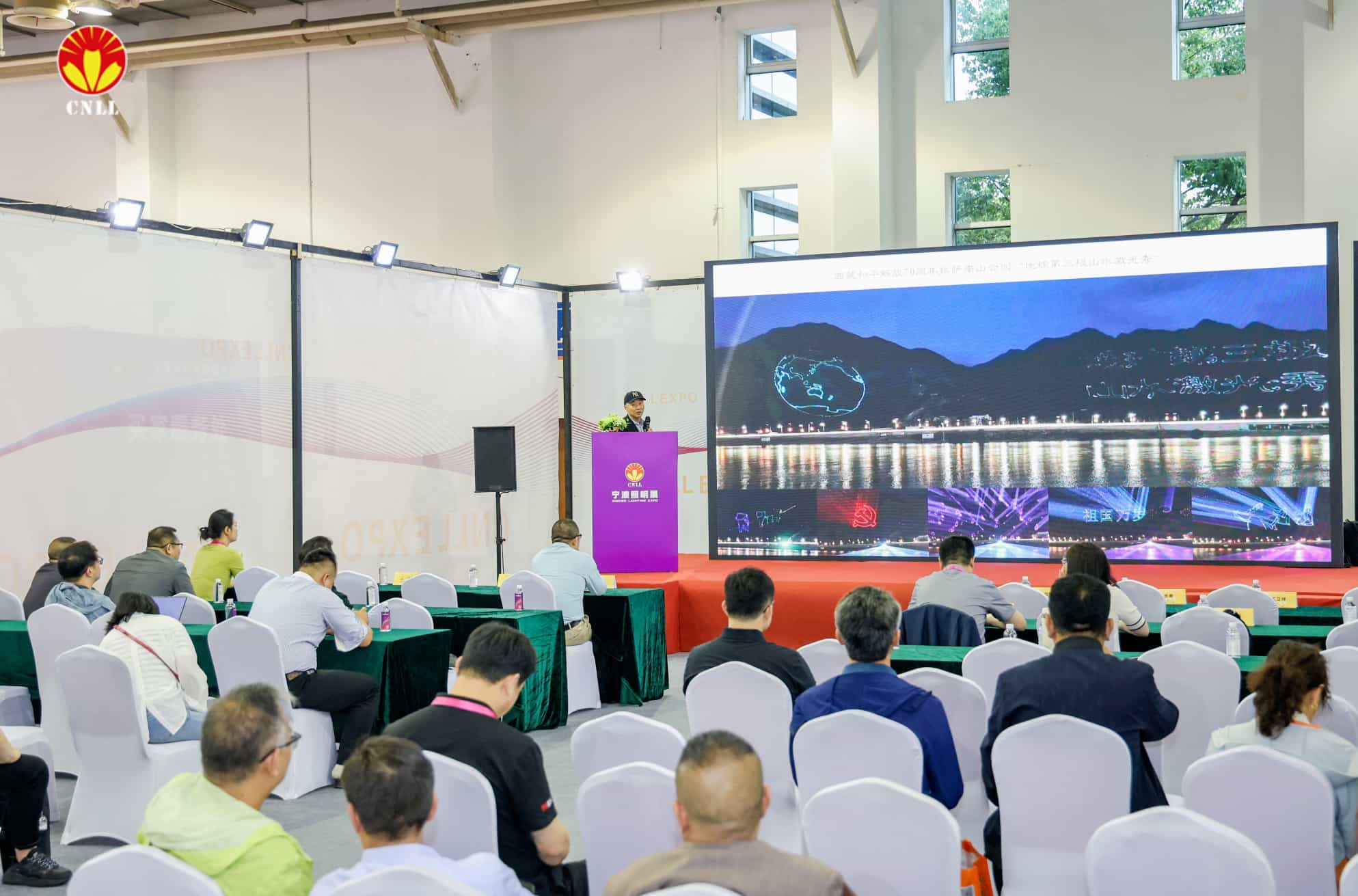
Mr. Hong Bing, Editor-in-Chief of China Light Network and Executive Dean of Ming Classroom, shared on behalf of Mr. Du Jun, Design Director of Shanghai Fuwei Lighting Design Engineering Co., Ltd., who could not attend in person, his keynote speech titled "Smart Transformation of Light and Shadow: Applications and Reflections on Lighting Design Driven by AI". Taking the appearance improvement project of the "One Core" and "One Circle" in the protection and old city renovation upgrade project of Barkhor Ancient City in Lhasa as an example, it reveals how AI reconstructs the entire process of lighting design: quickly generating luminaire configuration plans through Deepseek, combining AIGC tools to generate conceptual scene images, and achieving intelligent linkage between parametric design and visual creativity.
AI technology is driving a paradigm shift in the industry—intelligent control and data-driven optimization are doubling the efficiency of outdoor lighting design. Notably, AI does not replace designers but focuses on quantifiable tasks, with core creativity and humanistic control still led by human wisdom.
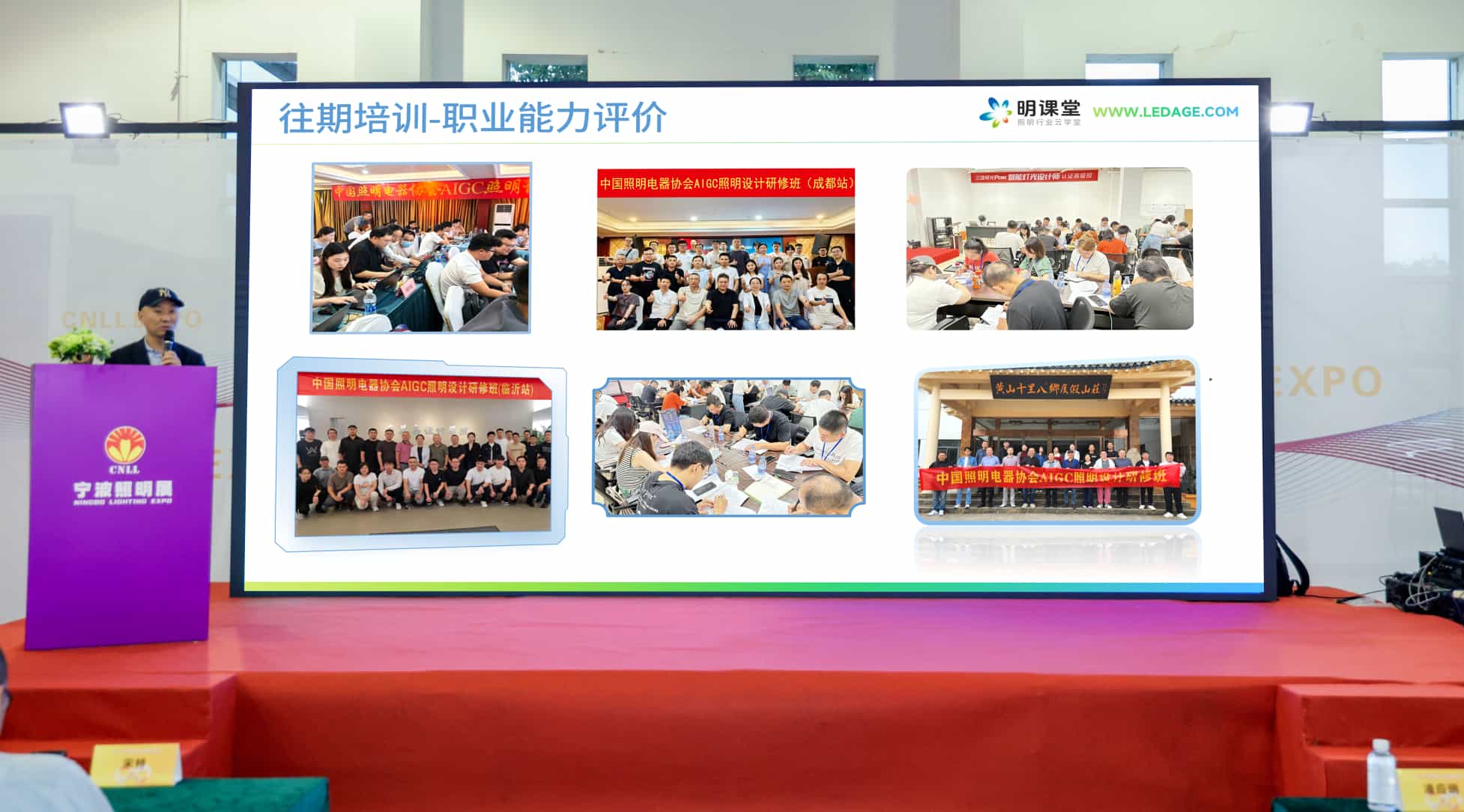
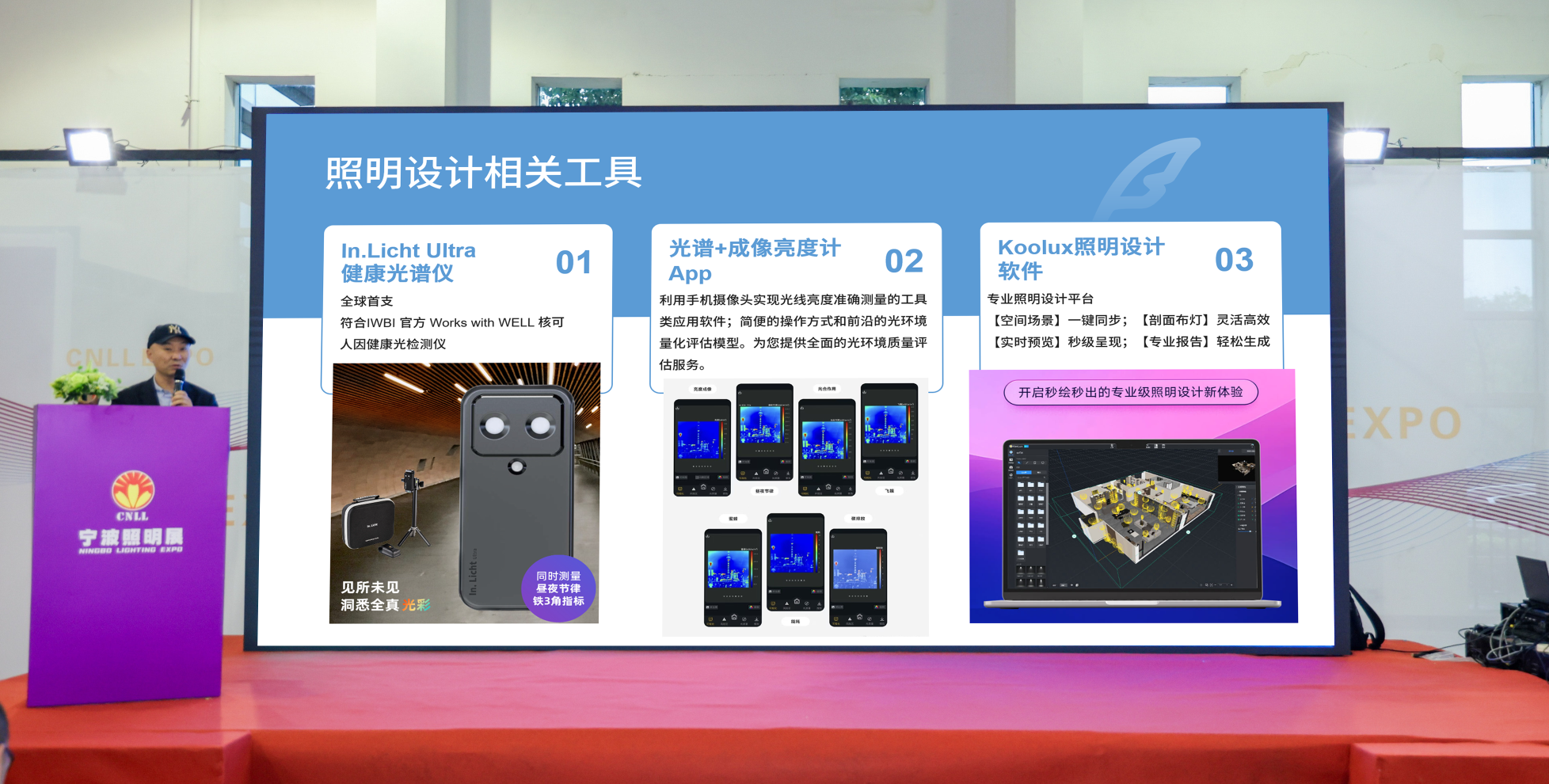
洪兵先生同步展示了明课堂在 AI 照明领域的培训课程与照明设计应用工具:AIGC课程专注于提升设计师的方案构想能力,而 KooLux、光谱仪、亮度计等专业工具则帮助设计师将概念方案转化为符合标准规范的可落地成果。凸显了AI在行业变革中的赋能价值,也明确了人机协作在照明设计领域的未来方向 —— 以技术提效,以创意固本,实现 "智变" 与 "质变" 的双重突破。
"Second-level light environment design + health simulation"
Reshaping lighting design
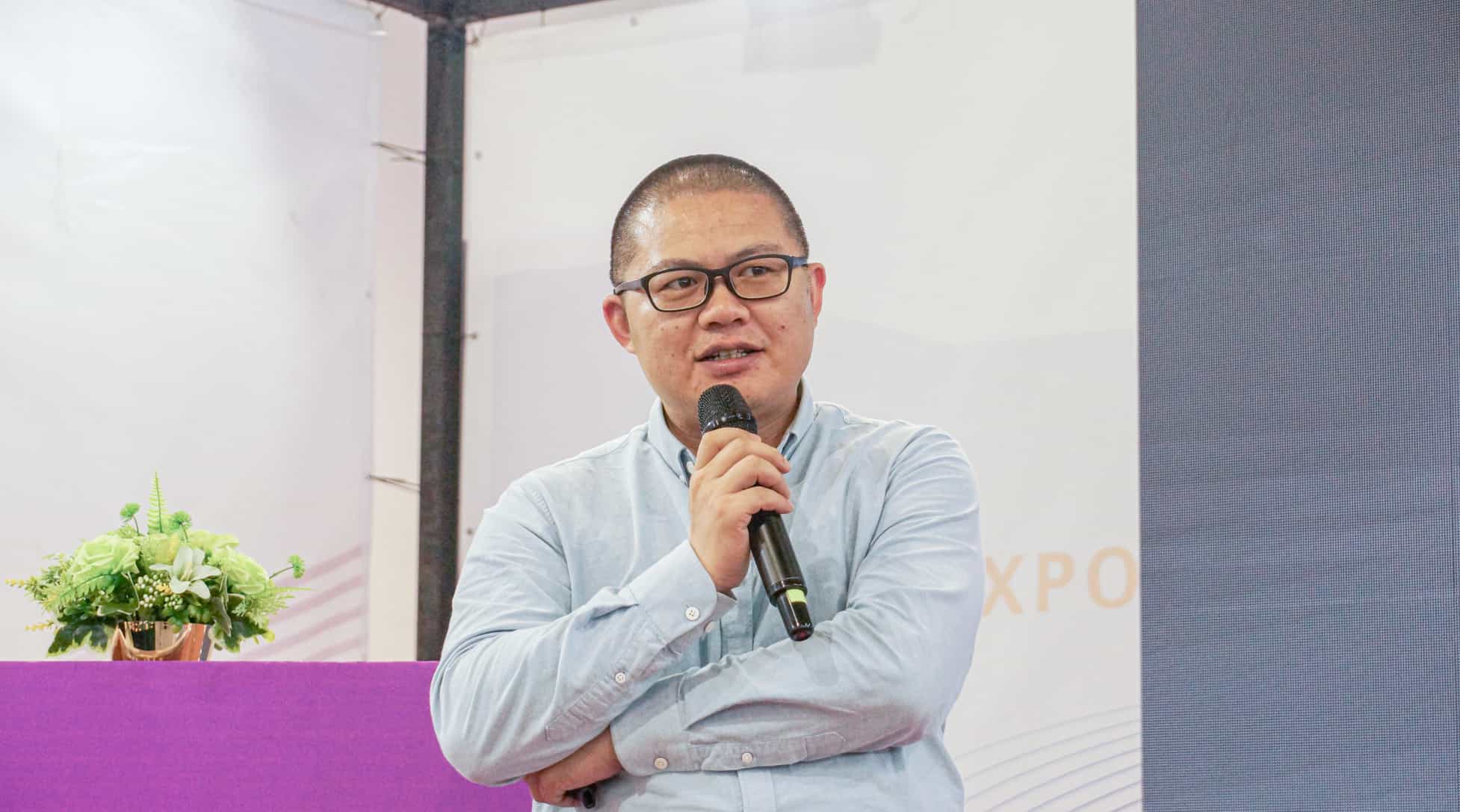
Mr. Song Te, Director of Solutions for the Lighting and Smart Business Line at Qunhe Technology Kujiale, addressing the three major pain points long existing in China's lighting design supply chain: reliance on standalone local software, inefficient collaboration, and data silos, launched the "Cloud Collaboration + AI Large Model" based KooLux platform solution, providing a breakthrough path for the industry's digital transformation.
宋特表示,Koolux将复杂照明设计门槛从专业级降至普适级,KooLux以自研的启真引擎与多模态CAD大模型为技术底座,基于国际IES灯光标准,将设计师上传的空间模型自动秒级生成光环境设计方案:实时渲染照明效果,同步完成照度智能校验,输出专业级工程报表与场景提案。
Song Te also specially introduced the upcoming EML/M-EDI healthy physiological illuminance simulation, which can accurately determine the impact of light on the human circadian rhythm, upgrading lighting design from visual experience to precise control of physiological health dimensions.
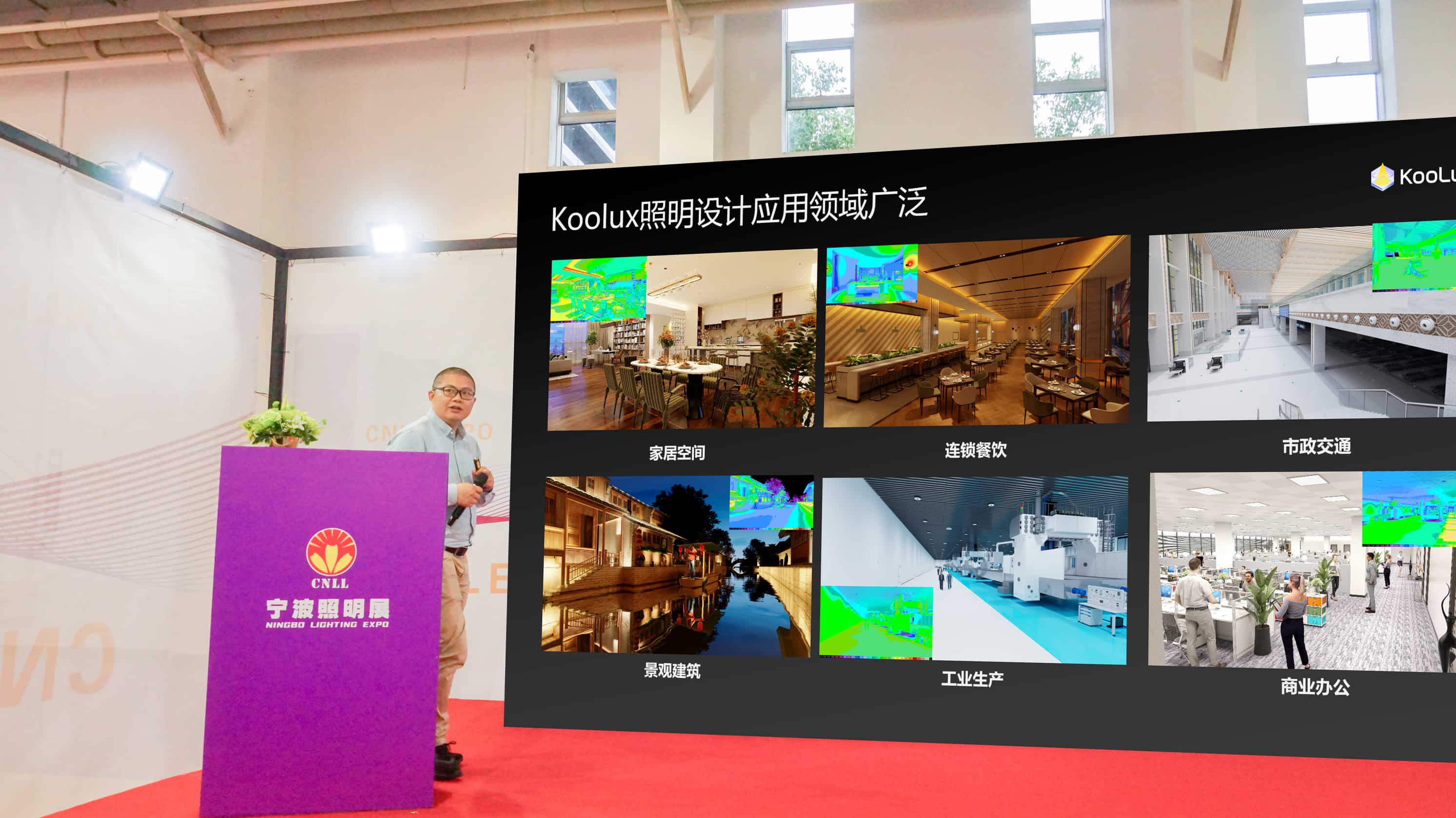
Song Te stated: KooLux already possesses strong scenario adaptation capabilities, covering home, commercial office, municipal transportation, landscape architecture, industrial production, and other fields, achieving high-aesthetic visual presentation, high-standard luminous efficacy simulation, and intelligent scenario proposals. By providing openAPI interfaces for luminaire manufacturers to access the product library , it builds a cloud ecosystem with collaboration among designers, manufacturers, and end customers, reshaping the new paradigm of lighting design services and promoting the industry's transformation from the traditional "experience-driven" model to a "data-intelligence-driven" one.
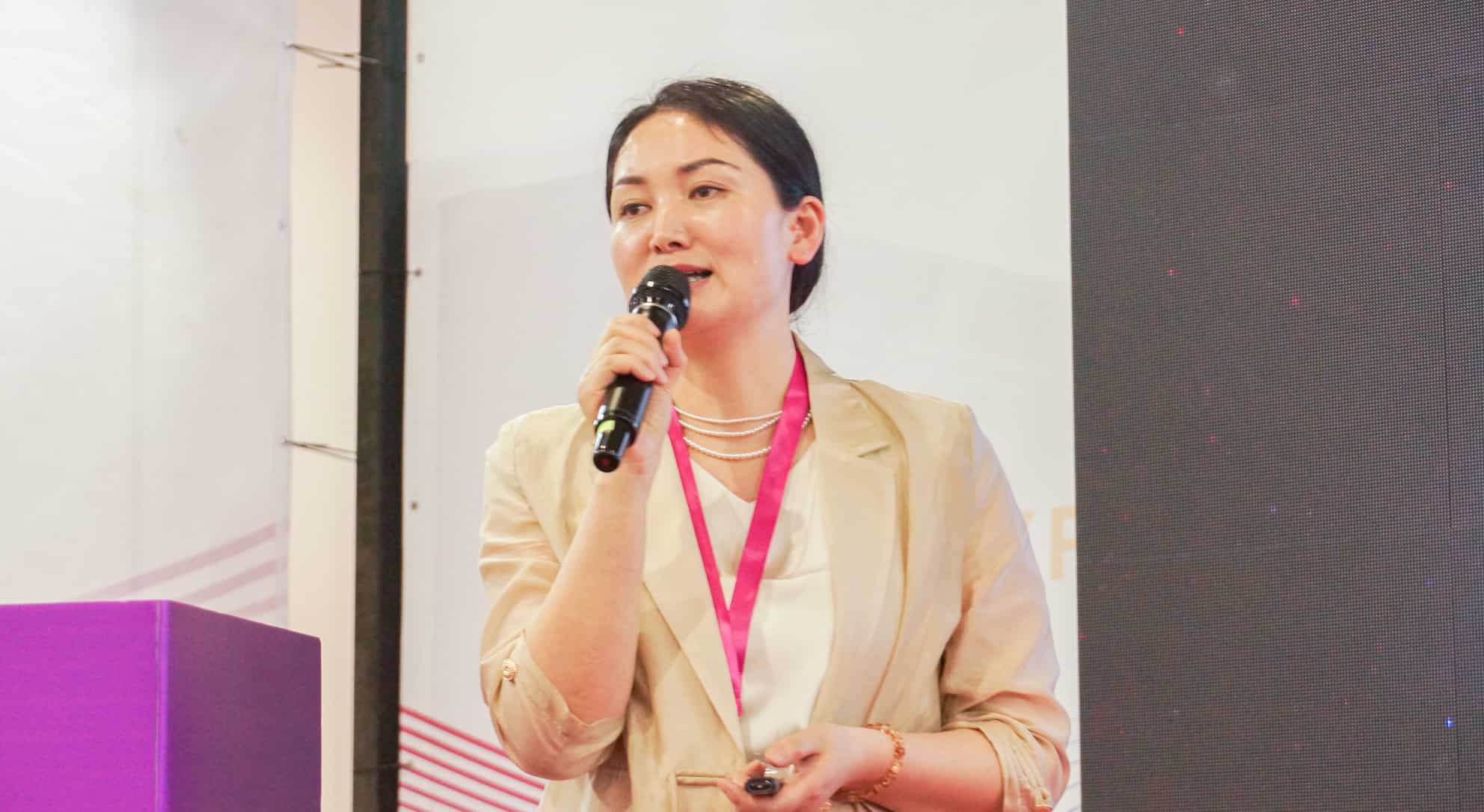
Building the Future Together with Green Technology
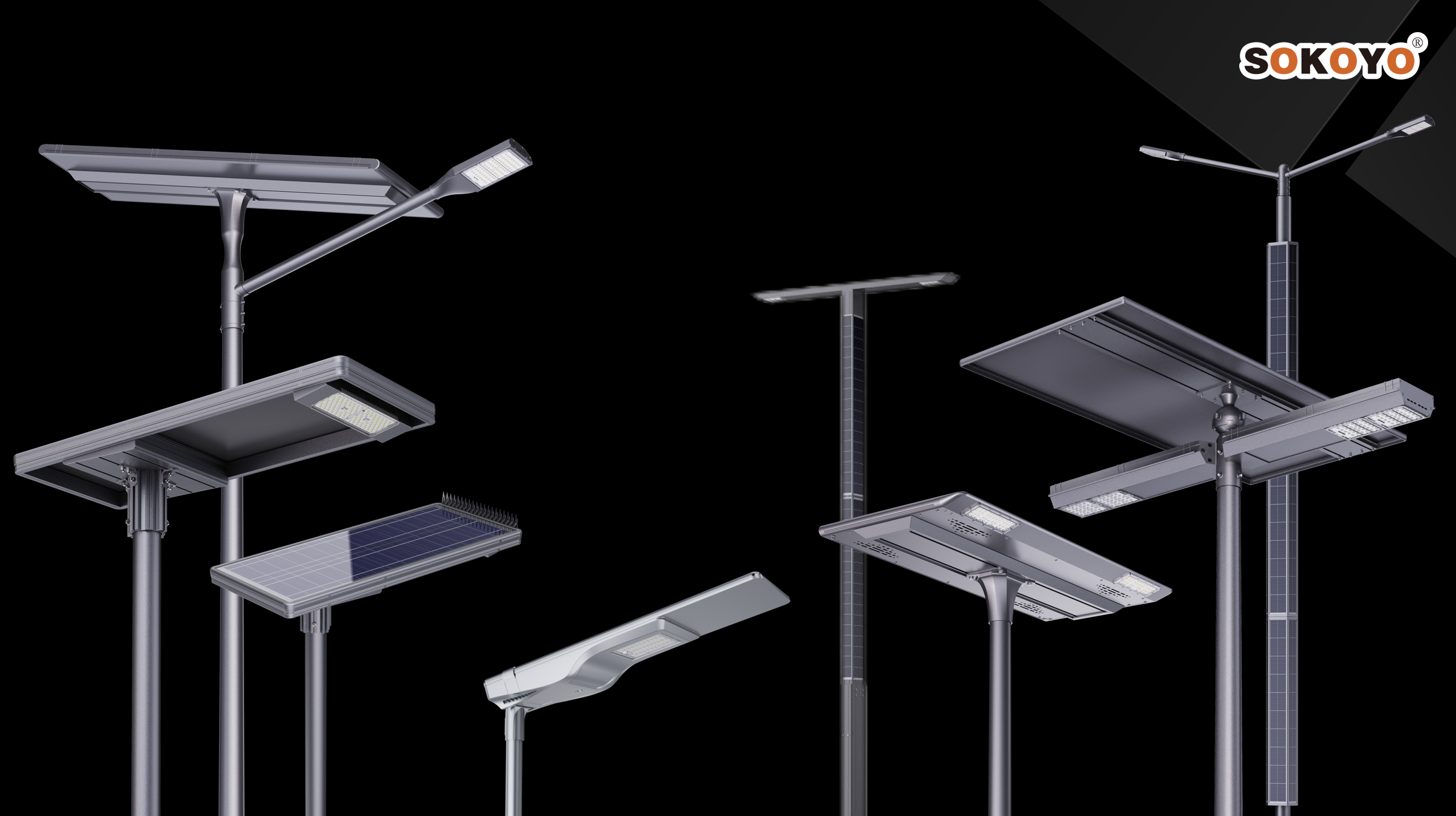
Ecological Layout of Solar Street Lights
Design: Balances power generation efficiency and lighting effects through structural optimization and electrical design. For example, the horizontal installation of integrated street lights ensures consistent power generation. The storage and control module features a tool-free disassembly design, allowing for quick replacement within 3 minutes, reducing fault response time by 80%, and significantly lowering customer spare parts inventory pressure.
From functional lighting to spatial storytelling
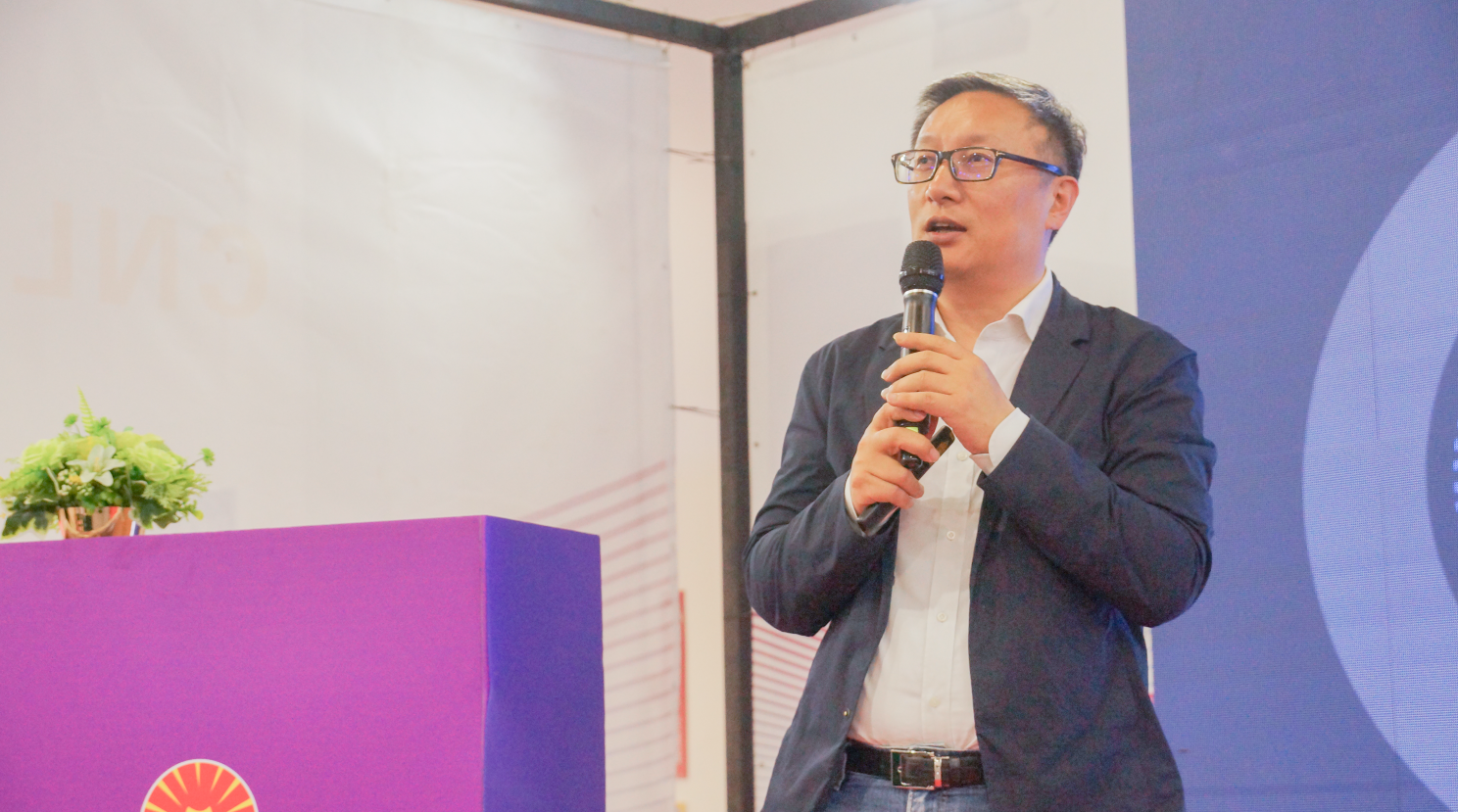
Mr. Liu Jiwu, General Manager of Boshuoshi (Zhejiang) Landscape Lighting, addressed the pain points of traditional landscape lighting, such as high energy consumption, low interactivity, and inefficient operation and maintenance. He explained how AI drives transformation in landscape lighting in three aspects: breaking aesthetic boundaries through generative design, energy optimization and carbon footprint management, and real-time optimization of lighting strategies based on environmental data feedback. Specific applications cover intelligent design (e.g., generating light and shadow patterns with Stable Diffusion), multimodal interaction systems (AR virtual light overlay, biological signal feedback dimming), and full-process management (from equipment installation to fault prediction).
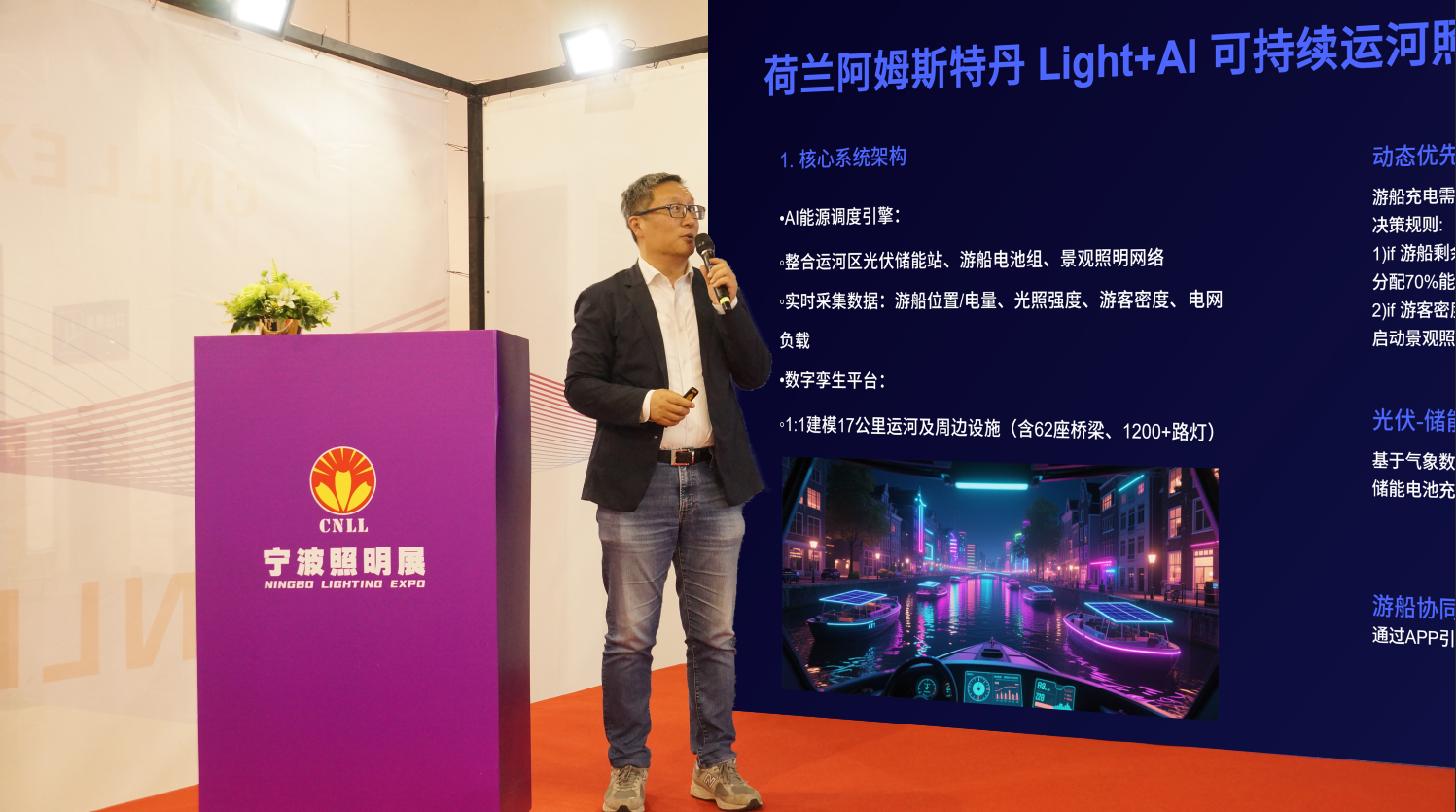
Liu Jiwu used the Light+AI project in Amsterdam, Netherlands, as an example to explain: by integrating photovoltaic energy storage, cruise ship batteries, and the landscape lighting network through a digital twin platform, dynamic algorithms achieved intelligent scheduling for facilities along 17 kilometers of canals, reducing diesel usage by 92% and increasing the share of photovoltaic power supply to 65%, thereby enhancing grid stability while boosting tourism revenue and citizen satisfaction.
Liu Jiwu stated: The core value of AI lies in endowing light with 'narrative capability'—upgrading from functional lighting to a dynamic artistic medium capable of storytelling. Meanwhile, challenges such as privacy protection, balancing artistic creativity with algorithmic decision-making, etc., remain to be overcome. In the future, urban nightscape will evolve into AI-driven immersive art spaces, achieving symbiotic interaction among people, light, and the environment.
GaN technology drives innovation in high-power lighting
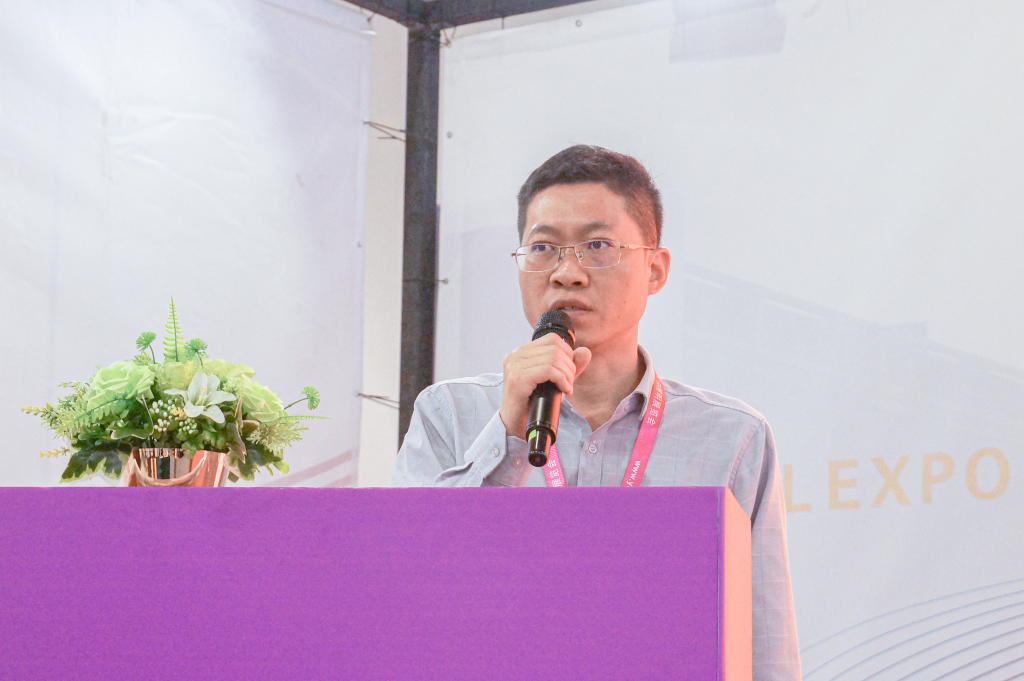
Mr. Zhao Yang, Assistant to the Chairman of Suzhou Jia Chuang Jinghe Technology Co., Ltd.highlighted high-performance, high-reliability GaN solutions. As a representative of third-generation semiconductor materials, GaN is rapidly penetrating fields such as data centers, new energy, drones, and high-power lighting, thanks to its advantages including high breakdown electric field, high-frequency characteristics, and low conduction loss.
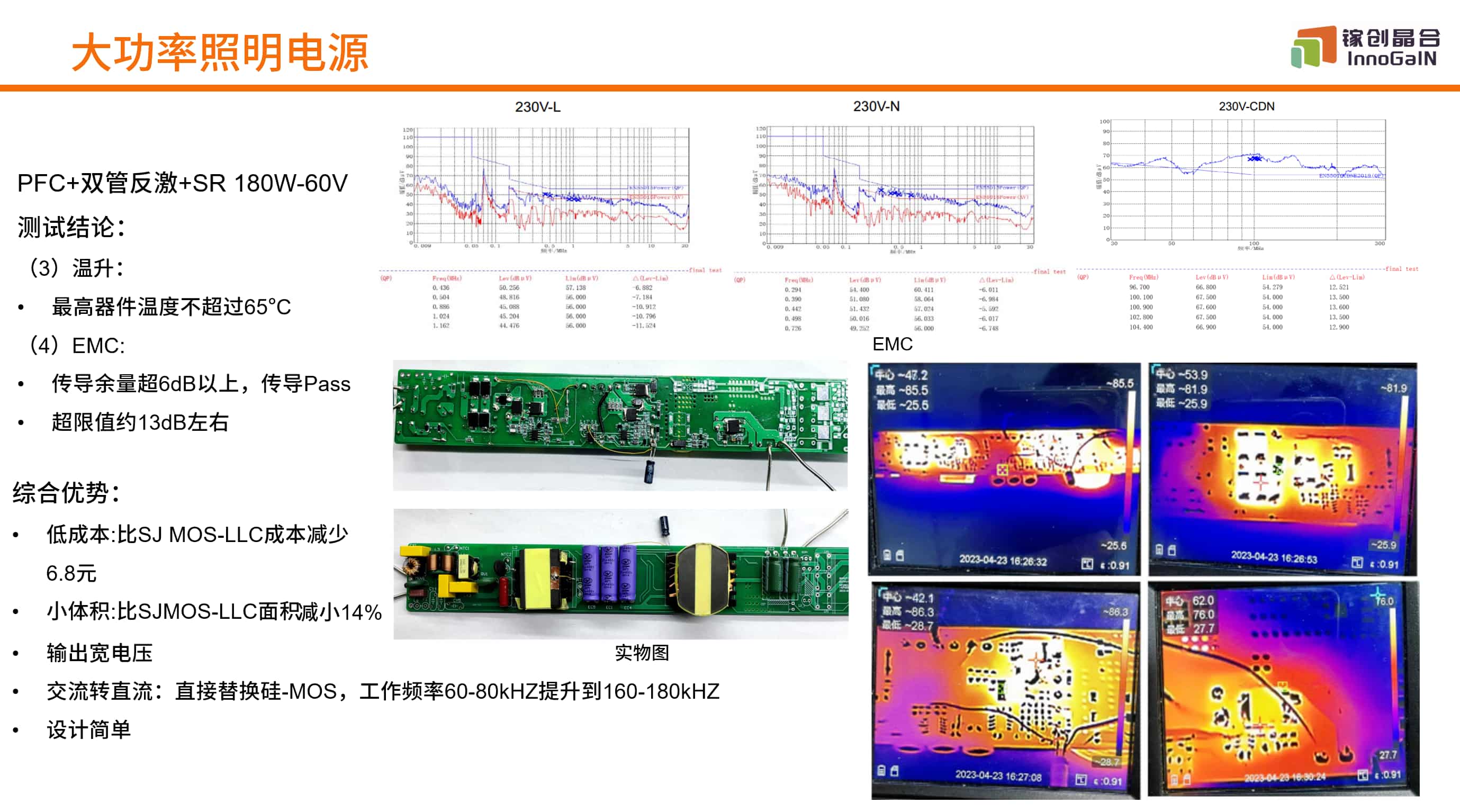
For photovoltaic power generation scenarios, GaN inverters can reduce photoelectric conversion losses by 25%, significantly improving energy utilization. In the high-power lighting sector, Jia Chuang Jinghe's GaN solution reduces circuit board volume and weight by 30%-40% and improves system efficiency by 3%-5% through optimized circuit architecture and device integration, while reducing overall costs by 10%-20% by simplifying the use of passive components such as capacitors and inductors.
Conclusion