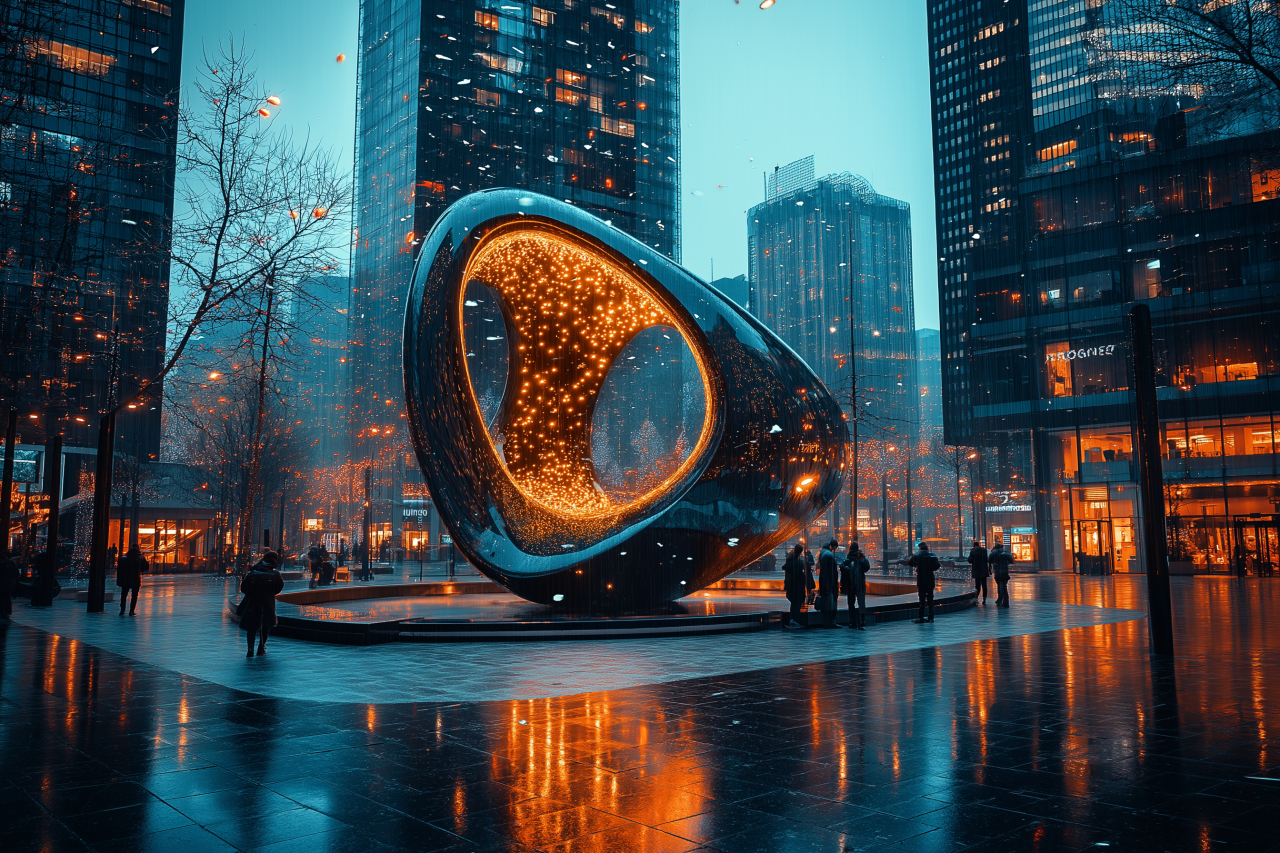
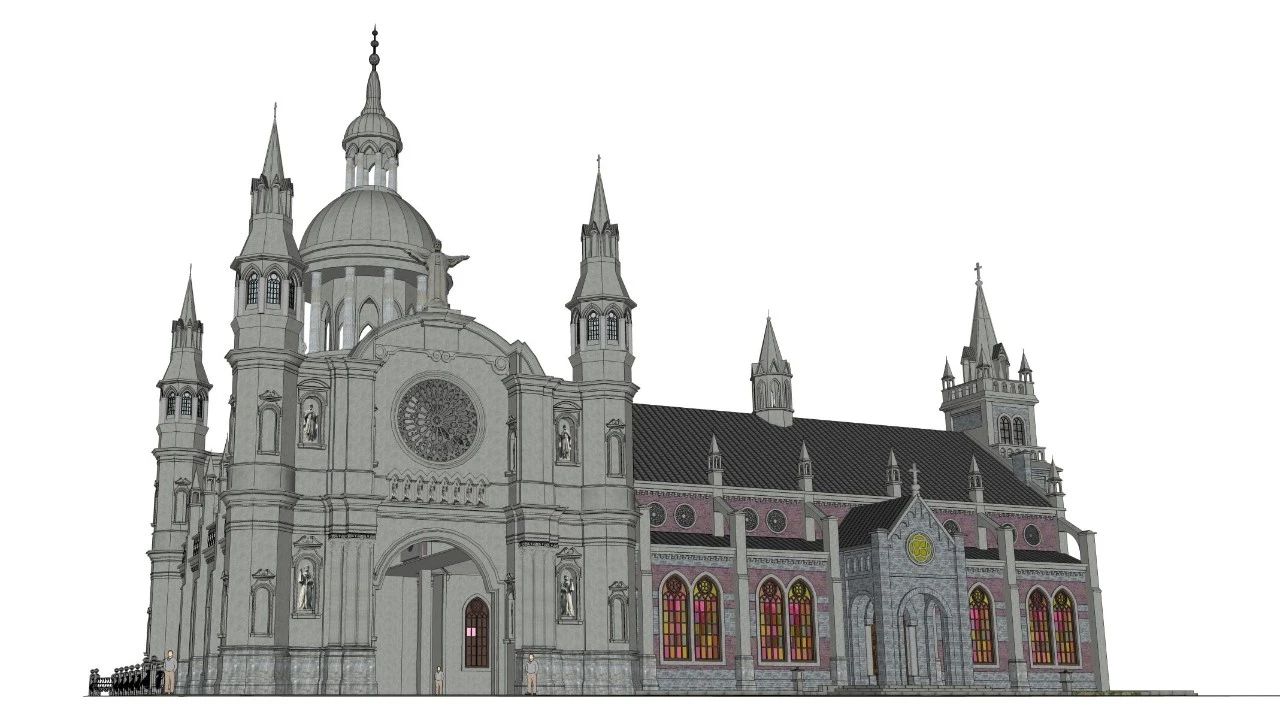
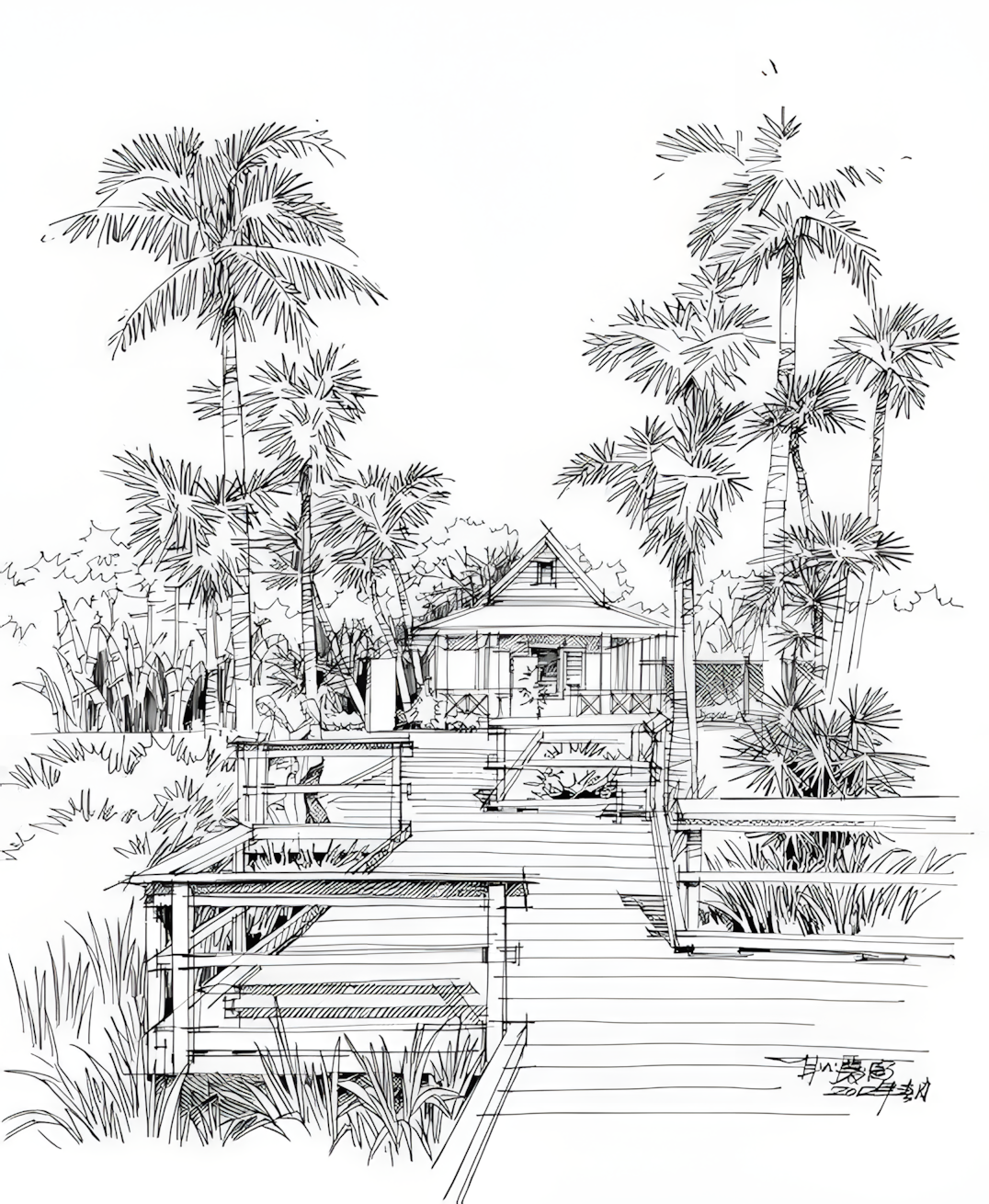
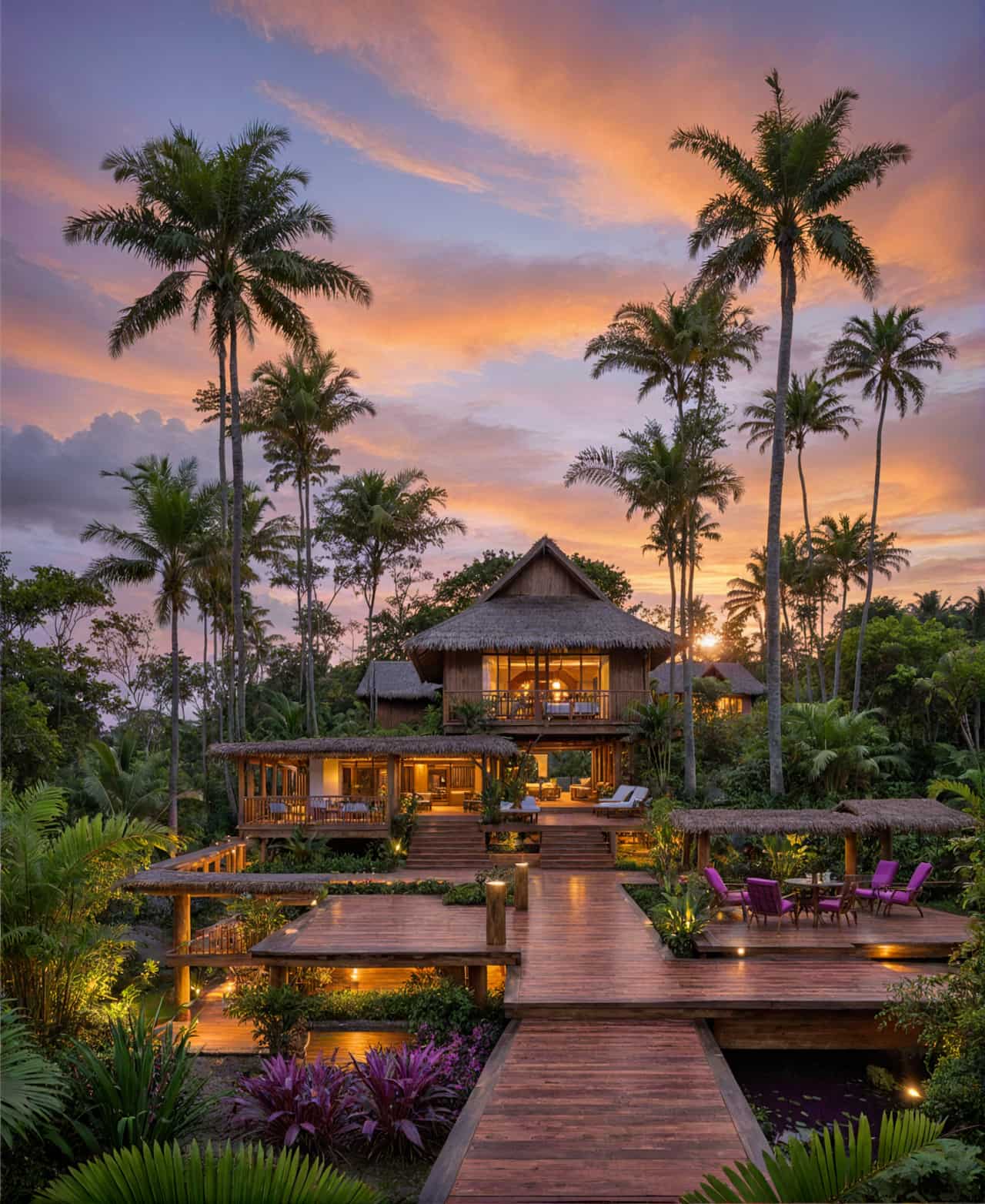
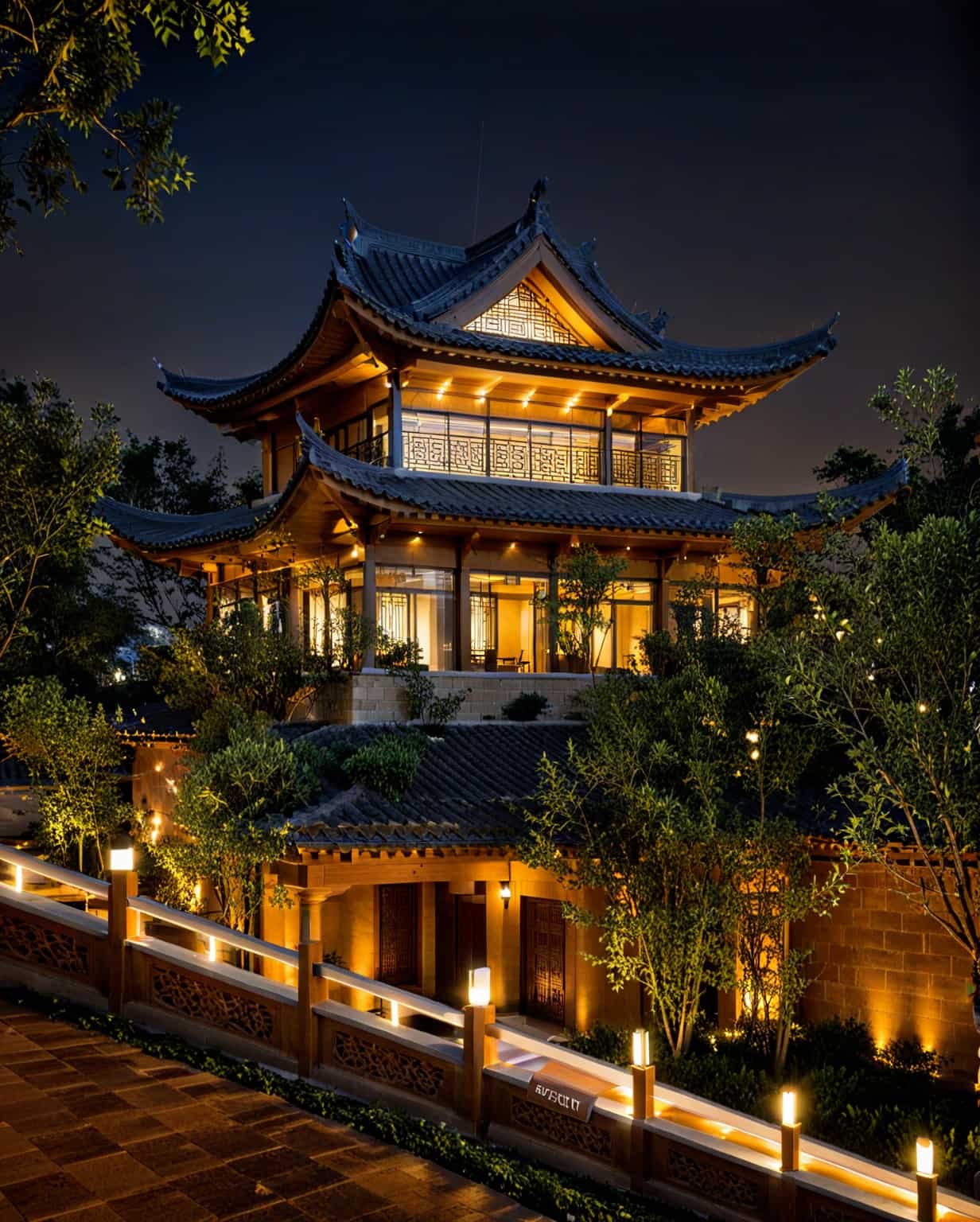
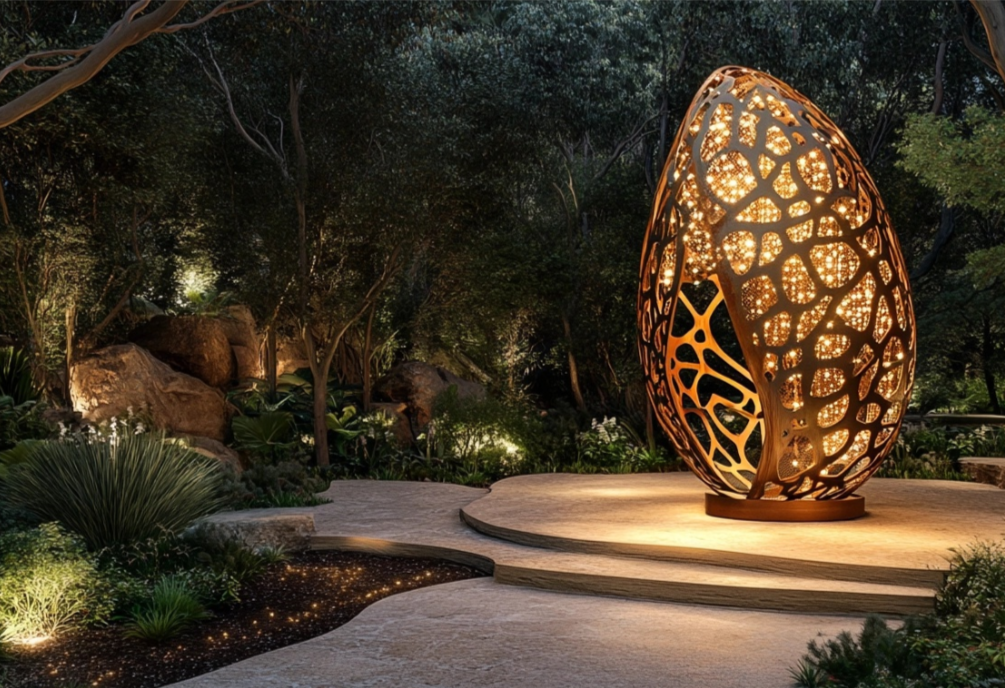
New Session! AIGC Lighting Design Workshop (Huangshan) Now Enrolling
Basic Information
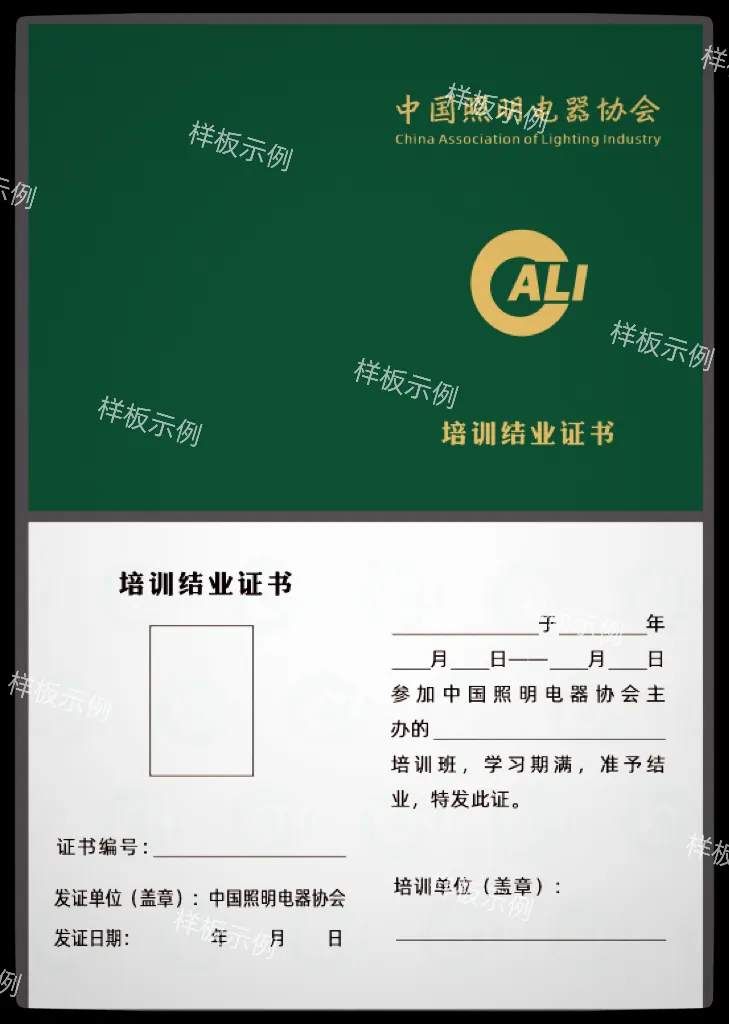
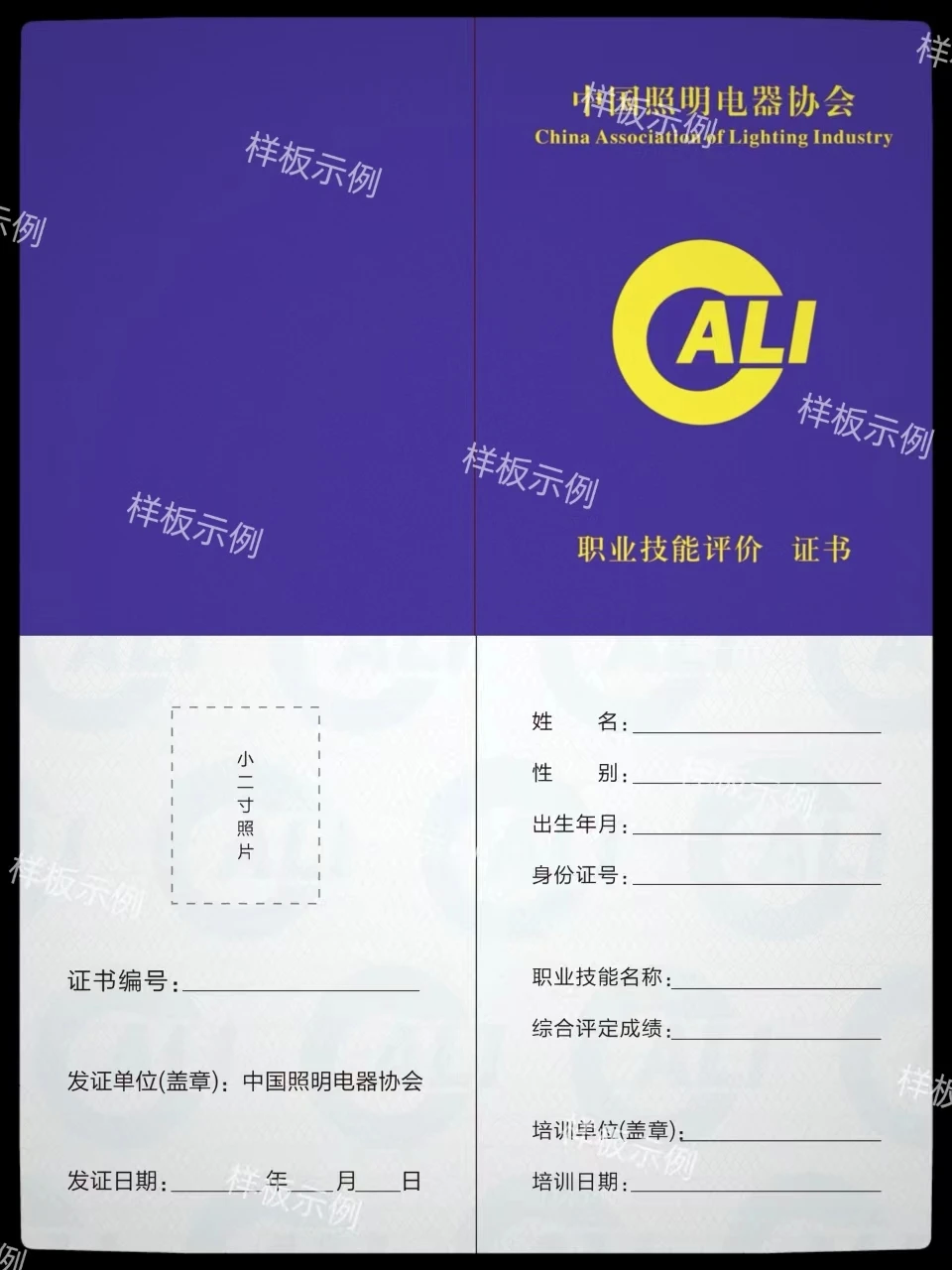
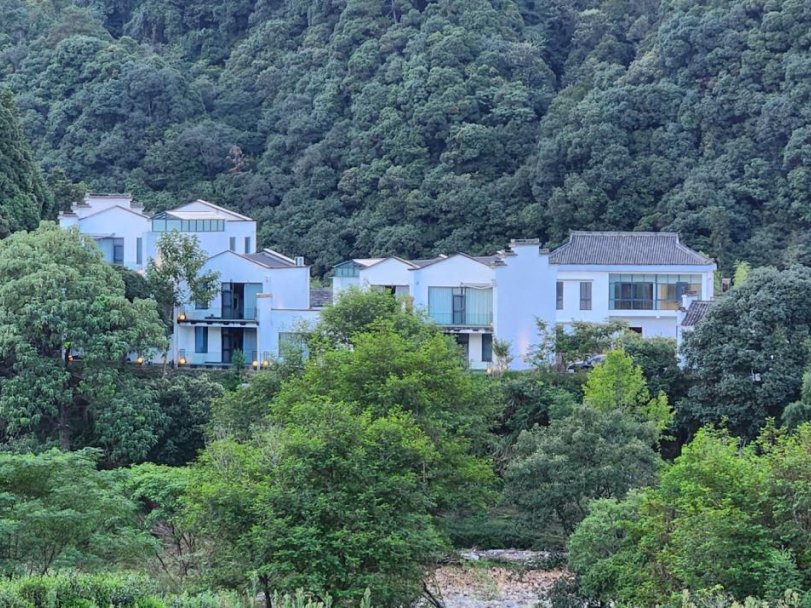
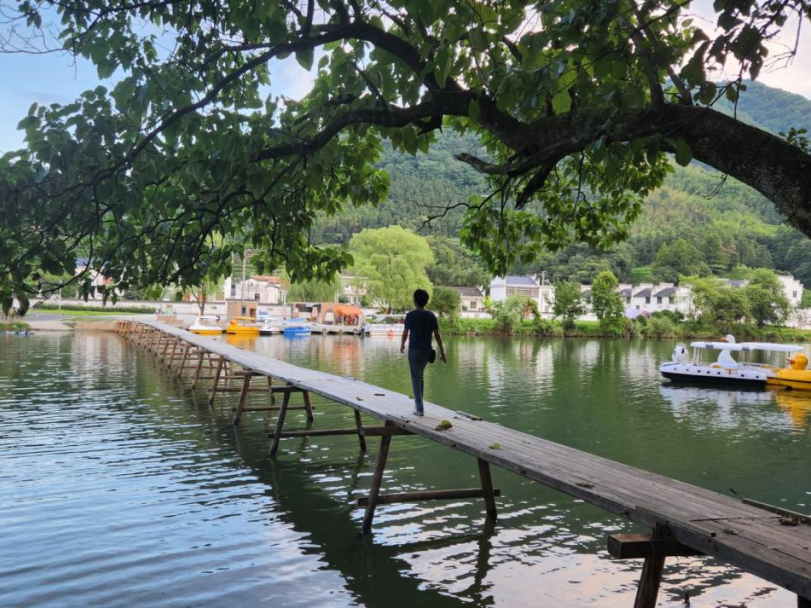
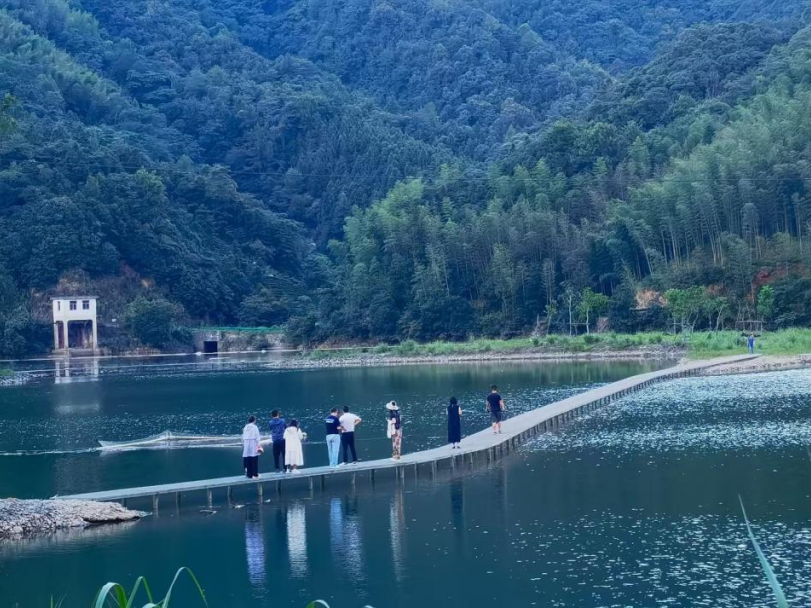
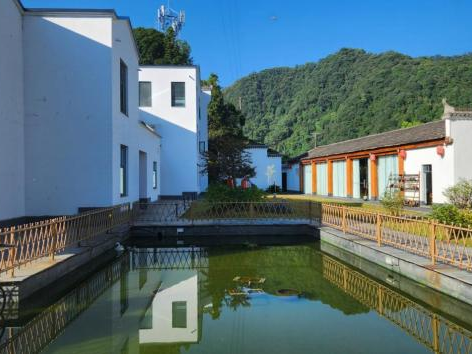
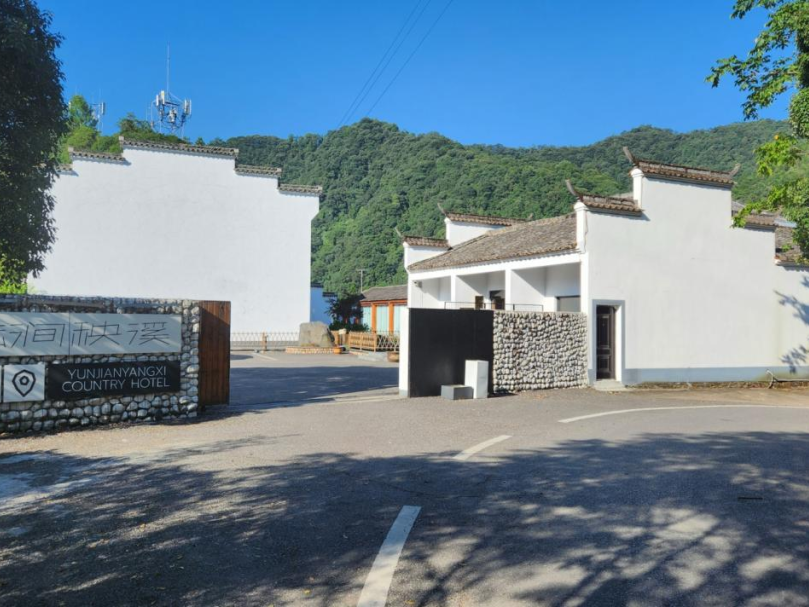
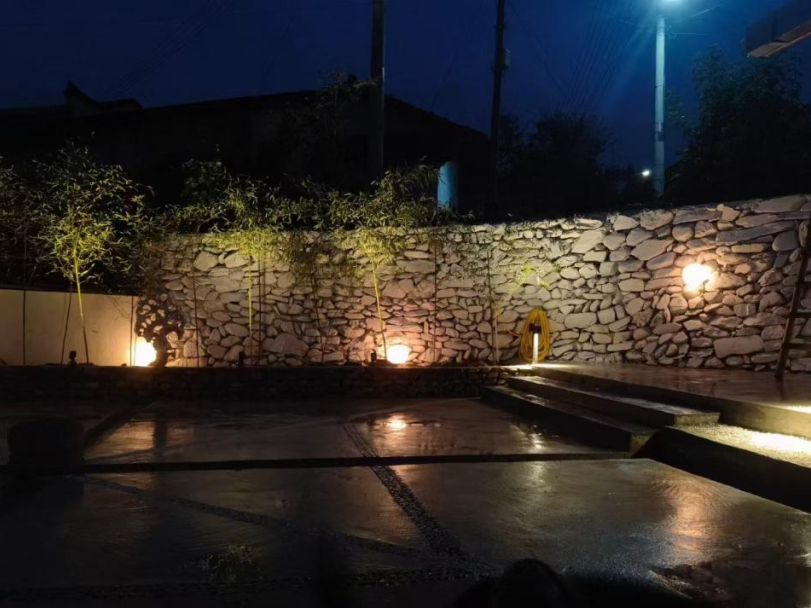
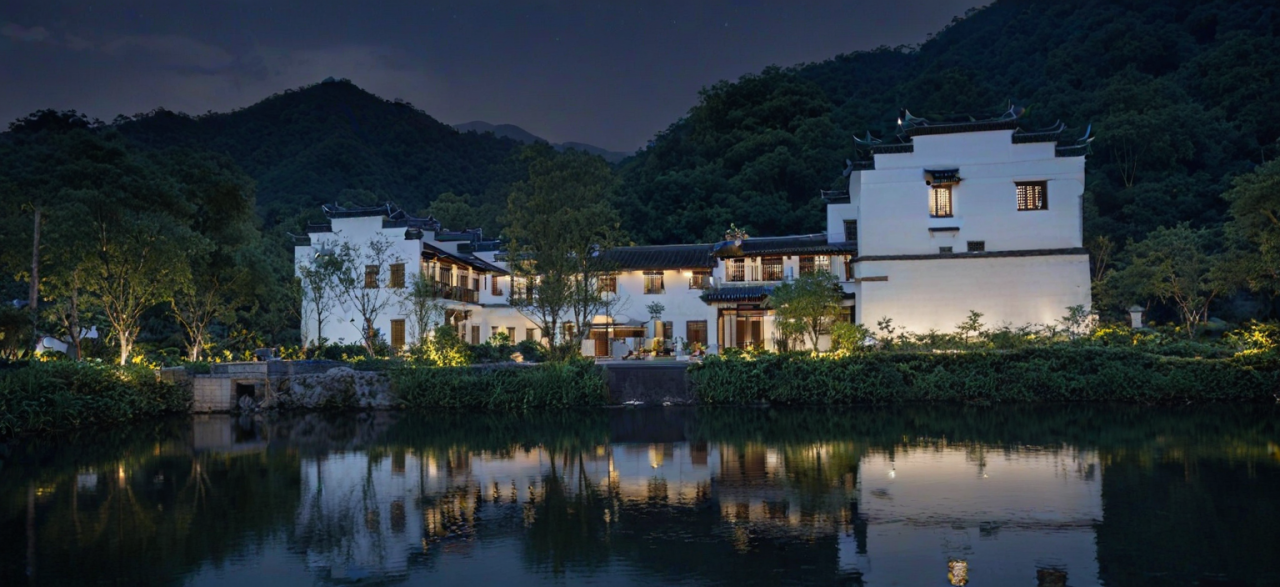
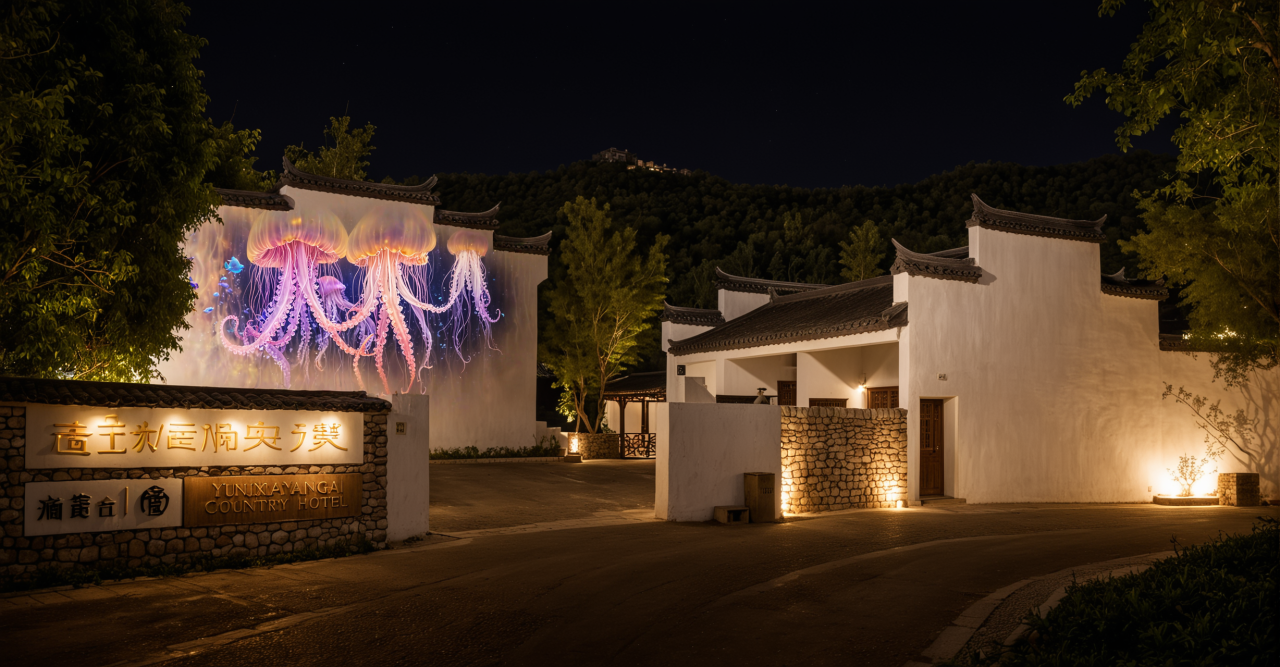
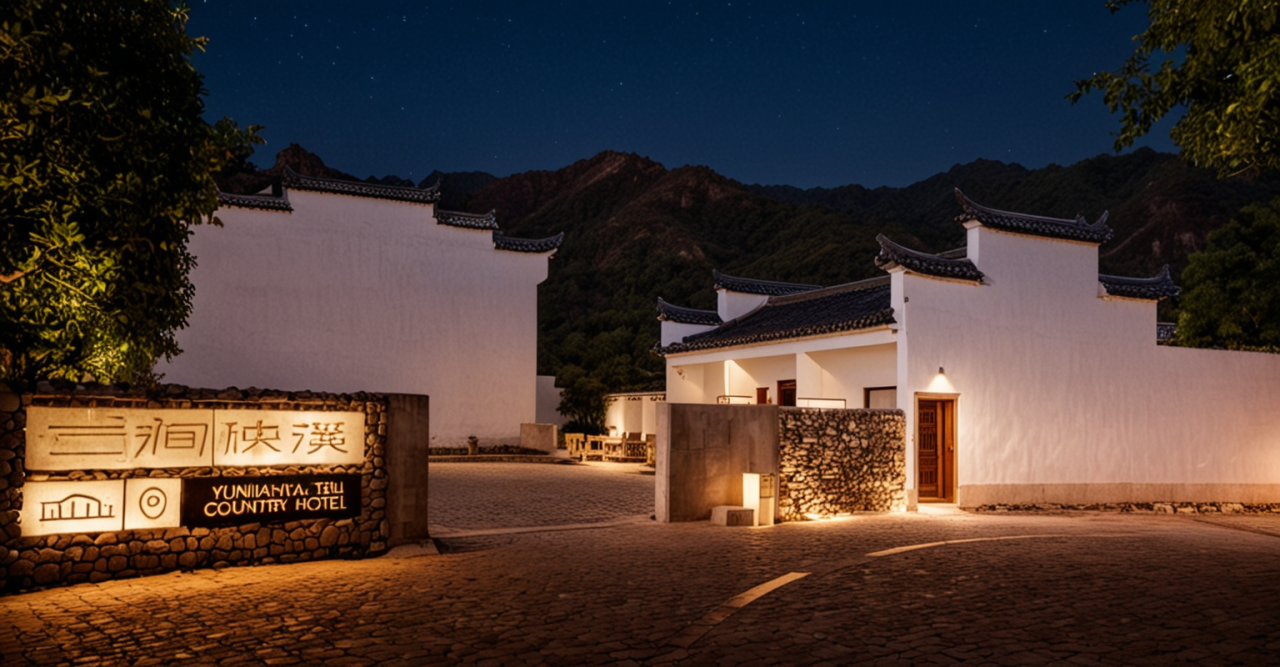
Theme: "AIGC Lighting Design Workshop" Date: December 13–15, 2024 Location: Yunjian Yangxi Hotel, Tangjiazhuang, Jiaocun Town, Huangshan City, Anhui Province (Hotel access: Huangshan West Railway Station) Duration: 3 days offline (10 hours per day, totaling 30 hours) Target audience: Lighting designers, interior designers, students majoring in architecture and related fields, and practitioners interested in AIGC technology Organizing Institution Host: China Association of Lighting Industry(中国照明电器协会) Co-organizers: Talent Training Working Committee of China Association of Lighting Industry(中国照明电器协会) Yangtze River Delta Integrated Lighting Industry Alliance Beijing Lighting Electrical Association Organizer: Wuxi Lide Shidai Technology Co., Ltd. Course Objectives 1. Understand the fundamentals of AIGC technology: Enable learners to grasp the basic concepts and principles of AIGC (Artificial Intelligence Generated Content) and its application prospects in the design field. 2. Master the application of AIGC tools: Through practical exercises, enable learners to proficiently apply AIGC tools such as ChatGPT, MidJourney, and Stable Diffusion in lighting design. 3. Improve design efficiency and quality: Guide learners to leverage AIGC technology to enhance lighting design efficiency, optimize design proposals, and improve design quality. 4. Stimulate innovative thinking: Encourage learners, with the assistance of AIGC technology, to break through traditional design thinking and explore more creative possibilities. 5. Enhance industry competitiveness: Enable students to master cutting-edge technologies and improve their competitiveness in the lighting design industry. 6. Regulate body and mind, cultivate health: Three days of study for students, vegetarian meals throughout, relieve anxiety, get away from the city, and immerse in nature. Content and Teaching (I) Course Content Day 1: AIGC Technology Basics and Introduction Overview of AIGC Technology Definition, Development History, and Application Areas of AIGC Potential and Advantages of AIGC in Lighting Design Getting Started with AIGC Tools Basic Operations of Large Language Models like ChatGPT and Their Applications in Lighting Design Getting Started with MidJourney: Registration, Basic Commands and Parameters, Image Generation Hands-on Practice: Using ChatGPT and MidJourney for Simple Lighting Design Solutions Day 2: AIGC Applications and Practice Advanced MidJourney Prompt Writing Logic and Image Control Techniques Advanced Practice: MidJourney Lighting Design Application Introduction to Stable Diffusion and Basic Learning Stable Diffusion XL Basics and Applications (Interface Explanation and Basic Image Generation) Basic Competency Goals: Advanced MJ image generation and adjustment techniques, old photo restoration, face swapping, PPT generation, prompt acquisition and writing, understanding SDwebUI software logic and basic operations, etc. Day 3: Advanced AIGC Applications Application of SD ControlNet and lighting-related plugins Practical application of SD Lighting design (urban nightscapes, interior spaces, natural landscapes, luminaire appearance design) Introductory training for Stable Diffusion Lora model Application of AI tools in PS Application of SketchUp AI tools Multi-tool collaboration: Comprehensive application cases of ChatGPT, MidJourney, Stable Diffusion, PS, and SketchUp Basic competency goals: HD restoration, lossless upscaling, background sky replacement, ground cleanup and repair, luminaire appearance color modification, environment patching and filling, generation of indoor and outdoor lighting renderings, etc. (II) Teaching Methods Theoretical instruction: Systematically explain the principles and applications of AIGC technology using multimedia materials such as PPT and videos. Practical exercises: Provide abundant practical cases to guide students in hands-on operations and deepen their understanding. Group Discussion: Breakout sessions to encourage participants to share experiences and stimulate innovative thinking. (3) Teaching Resources Textbooks and Reference Books: Recommended books, papers, and online resources for post-class study. Software Tools: Provide installation packages and user guides for relevant software. Ming Classroom Online Platform: Establish course WeChat groups or an online learning platform to facilitate participant interaction and access to learning resources. Assessment and Certification (I) Vocational Competency Evaluation and Assessment: The vocational competency evaluation and assessment method is comprehensive assessment: (1) AIGC technology project design capability: Complete a project proposal using AI-related tools based on the exam questions, and deliver it in PPT format; (2) AIGC proposal presentation and defense: Present the project based on the project proposal completed using AI tools. (II) Certificate Information Certificate Category I Award conditions: A completion certificate for the “AIGC Lighting Design Workshop” will be awarded in both of the following cases: 1. Complete the required training hours without participating in the assessment. 2. Completed the required standard training hours but failed the assessment. (Note: No retake is allowed for the professional competency evaluation.) Certificate Category II Award conditions: After completing the required standard training hours, passing the professional competency evaluation exam, one can obtain the "Intelligent Lighting Designer (AIGC)" Professional Competency Evaluation Certificate. Note: 1. The Certificate of Completion and the Vocational Competency Assessment Certificate cannot be obtained simultaneously; please confirm the category when filling out the registration form and making payment. 2. Participants in the assessment must pay the examination fee in advance. The assessment will be scheduled for the afternoon of the last day; specific timing will be notified separately. 3. All certificates will be mailed approximately one month after the training ends. Registration and Fees (1) Fee Details Fee standard: 3780 yuan/person (including training and meal costs), transportation and accommodation expenses are at your own expense; if you wish to take the vocational competency evaluation exam, an additional exam fee of 500 yuan/person is required. Registration and payment deadline: December 6, 2024 Discount conditions: The first 20 registrants are exempt from accommodation fees (double standard room for three nights. If staying less than three nights, no refund or cash conversion will be provided). (2) Bank Transfer Information Account Name: Wuxi Lide Shidai Technology Co., Ltd. Bank: ICBC Wuxi Xuelang Branch Account Number: 1103026509000033322 (3) Notes 1. Registration requires completing the trainee registration form; 2. The quota lock for registration and preferential conditions is based on the time when the remittance is received; 3. If you withdraw due to personal reasons, the registration fees already incurred will not be refunded. Download Registration Form: Training Academy Registration Form (4) Registration Contact Qian Jing: 18961886780 (WeChat ID same) Faculty Team 1. Teacher Chen AIGC Practical Application Instructor, Model Trainer Model author ranked in the top 30 of the C Station SDXL channel Featured Creator in Alibaba's First Individual Original IP Competition (LoRA Model Training Contest) Award. Published an AIGC book (fully funded) and received the 2023 Technology Trailblazer Award from China Electronics Industry Press 2. Teacher Zhang AIGC Practical Application Instructor Master's student at Sichuan Fine Arts Institute Among the first to engage with AIGC Active on C Station, Hugging Face, Midjourney and other international communities Proficient in integrating AIGC with landscape, sculpture, art installation design and lighting design 3. Teacher Gu Senior Lighting Designer Deep understanding of the entire process of lighting design and implementation, with extensive experience in AI-assisted design using large language models and image generation models. Proficient in using AI tools to optimize design workflows, improve efficiency, and leverage AI technology to predict and manage potential project risks, ensuring smooth project execution. 4. Teacher Feng Senior Lighting Designer Globally certified DIALux instructor from Germany, with extensive teaching experience. Recently dedicated to researching the application of AIGC in lighting design. Case Showcase: Classroom Environment Tangjiazhuang Village, Jiaocun Town, Huangshan City, Anhui Province, is a mountainous village with beautiful natural scenery, profound cultural heritage, rapid economic development, and convenient transportation (near the Huangshan West High-Speed Railway Station). Agricultural income mainly comes from timber, bamboo, tea, and edible fungi, and cultural facilities such as the Bamboo Art Culture Museum have been built. Tangjiazhuang Village actively leverages its natural resource advantages to develop tourism and promote rural revitalization. In August 2023, it was publicly listed by the Ministry of Agriculture and Rural Affairs with the honorary title of "China's Beautiful Leisure Village". Here, mountains and waters complement each other, the scenery is exquisite and varied, earning it the nickname "Little Jiuzhaigou". With excellent air quality, it is an ideal place for living and tourism. Testimonials and Works from Previous Students (Partial) Student Zhao: The AIGC Huangshan training passed in a flash, but everyone feels full of memories and gains. In just three short days, students not only immersed themselves in the real beauty of genuine mountains and waters, but also roamed in the virtual world generated by AI, which holds infinite possibilities. At the foot of Huangshan, students gained not only beautiful scenery, delicious food, and stunning photos, but also friendship and new knowledge... We believe that with these, each of us will successfully navigate the industry's winter period and usher in a better new era! Student Ren Moumou: 1. Content learned: Learned how to use AI technology to generate high-quality images and video materials, including style transfer and super-resolution reconstruction, which assists in generating night effects for nightscape lighting. This helps improve work efficiency. Also learned about large language models, foreign language models, and AI tools for image generation, which greatly promote the current and future lighting design industry. 2. Achievements gained: Gained a more comprehensive understanding of the application of AI technology in various industries, especially seeing the huge potential of AI in the design field. Learned to think from an AI perspective, stimulating the desire to explore new design methods and solutions. 3. Help to lighting design: Using generative models, designers can quickly generate multiple lighting design schemes, accelerating the creative iteration process and improving design efficiency. AI can simulate visual effects under different lighting conditions, helping designers accurately predict design outcomes in the early stages and reduce trial-and-error costs. 4. Suggestions for the future: Actively participate in actual projects, continuously verify and optimize the application solutions of AI in lighting design through practice, and form a virtuous cycle. Student Hu Mou: This study has given me the gain that AIGC technology can generate multiple lighting schemes according to the environment, user needs, and design standards, and perform effect simulation and optimization, while also providing diverse creative choices. Traditional lighting design relies more on the designer's experience and intuition, while AIGC can automatically adjust lighting parameters, such as luminous intensity, color temperature, and distribution, through simulation and optimization algorithms to achieve the best lighting effect. Although AIGC technology shows great potential in lighting design, I believe its application also faces some challenges. AIGC technology relies on complex algorithms and models to generate content, and the accuracy of the algorithms directly affects the effect of lighting design. Lighting design requires real-time adjustment and optimization of solutions, which requires AIGC systems to have fast response and processing capabilities. In the application process, a large amount of user data is needed for training and optimization, and user data security is also an important link. The development and application of AIGC technology require a lot of R&D costs, including technology research and development, system maintenance, data collection, etc. How to provide sufficient computing resources while controlling costs is a problem that needs to be solved. Student Hu XX: I think the concept of this AIGC training is quite good and also aligns well with modern work requirements. Student Li X: Three days of AIGC opened the door to the AI world. Student Shen XX: Thanks to Teacher Hong for organizing this AI learning opportunity; I gained a lot and benefited greatly. Teacher Xiao Zhang has a high level of expertise and is very responsible, helping me solve many difficult problems. Works by some students: