
AIGC Lighting Design Workshop (Linyi Station) is now enrolling! Don't miss out!
With the deepening development of globalization and economic integration, high-quality skilled talents have become an important pillar of national competitiveness. Vocational skills training plays a bridging and linking role in promoting industrial upgrading. Firstly, training can improve the quality of workers and enhance their employment competitiveness; secondly, by improving individual skills, it increases job opportunities, alleviates employment pressure, and thus improves the overall quality and efficiency of social employment. In addition, skilled talent training is crucial for enhancing corporate competitiveness. It helps enterprises adapt to market changes, improve product quality and service levels, and enhance market competitiveness. Through vocational skills training, workers can master new technologies and processes, meet the demand for high-skilled talents in emerging industries, and promote the optimization and upgrading of industries. At the same time, training also promotes the transformation and upgrading of traditional industries, revitalizing them through skill enhancement.
为加速提高从业人员在照明设计方面的知识素养和专业技能水平,结合当前人工智能技术的发展,中国照明电器协会在照明设计师职业技能水平评价系统培训课程的基础上,特增设智能灯光设计师(AI)精品课程培训班。基于行业发展需求,新的培训课程将聚焦于实操技能的提升,确保学员能够迅速将所学知识应用到实际工作中。通过加强对前沿技术的理解和实际操作能力的培养,学员将不仅能够胜任当前的照明设计工作,还能在快速变化的市场中保持竞争力。结合真实案例和项目实践,课程将帮助学员深入掌握AI在照明设计中的应用,提升他们的创新能力和解决实际问题的水平,最终为行业的高质量发展提供坚实的人才保障。现就研修班的具体情况通知如下:
1. Organizational Structure Organizer: China Association of Lighting Industry(中国照明电器协会) Co-organizer: Talent Training Working Committee of China Association of Lighting Industry Market Circulation and Service Professional Committee of China Association of Lighting Industry Organizer: Wuxi Lide Shidai Technology Co., Ltd. Liangmeijia Design Academy Decorative Lighting Sharing Alliance
II. Time and Venue Training dates: September 21–22 Training venue: Liangmeijia Design Academy (south of Shuangling Road, Linxi 12th Road, Lanshan District, Linyi City)
III. Instructor Introduction Expert instructor: Bayerno Graduated from Fudan University with a major in Light Source and Lighting Engineering, with over 20 years of frontline experience in lighting design. Previously worked at Beijing Sain and Leo Lighting (Shanghai) Co., Ltd., holding positions such as Designer, Lead Designer, and Design Team Leader. Participated in the formulation and revision of national/industry standards including "Technical Requirements for LED Indoor Lighting Applications (GB/T 31831-2015)" and "Code for Urban Nightscape Lighting Design (JGJ/T 163-2008)". Bayerno has a deep understanding of the entire process of lighting design and implementation, understands the coordination points and timing with other disciplines, and identifies potential risks in projects. She also has extensive research experience in the application of AI in lighting design, particularly in large language model-assisted design and image generation model-assisted design. She is not only proficient in using AI tools to optimize design processes and improve efficiency, but also capable of predicting and managing potential risks through AI technology to ensure smooth project implementation. Bayerno firmly believes that the introduction of AI technology will bring revolutionary changes to lighting design, enhancing designers' creativity and the final project outcomes. Bayerno has extensive successful project experience in regional lighting planning, public buildings, offices, commercial spaces, and hotels, covering both indoor and outdoor areas. She participated in numerous indoor and outdoor lighting design projects, including the Huzhou Moon Hotel, Songjiang Guangfulin Culture and Art Center, Qiandao Lake Anlu Hotel, Ninghai Anlan Hotel, Fuzhou Strait Culture and Art Center, and Tian'an Sunshine Plaza (Thousand Trees), which have won first and second prizes of the China Lighting Award and other professional awards multiple times.
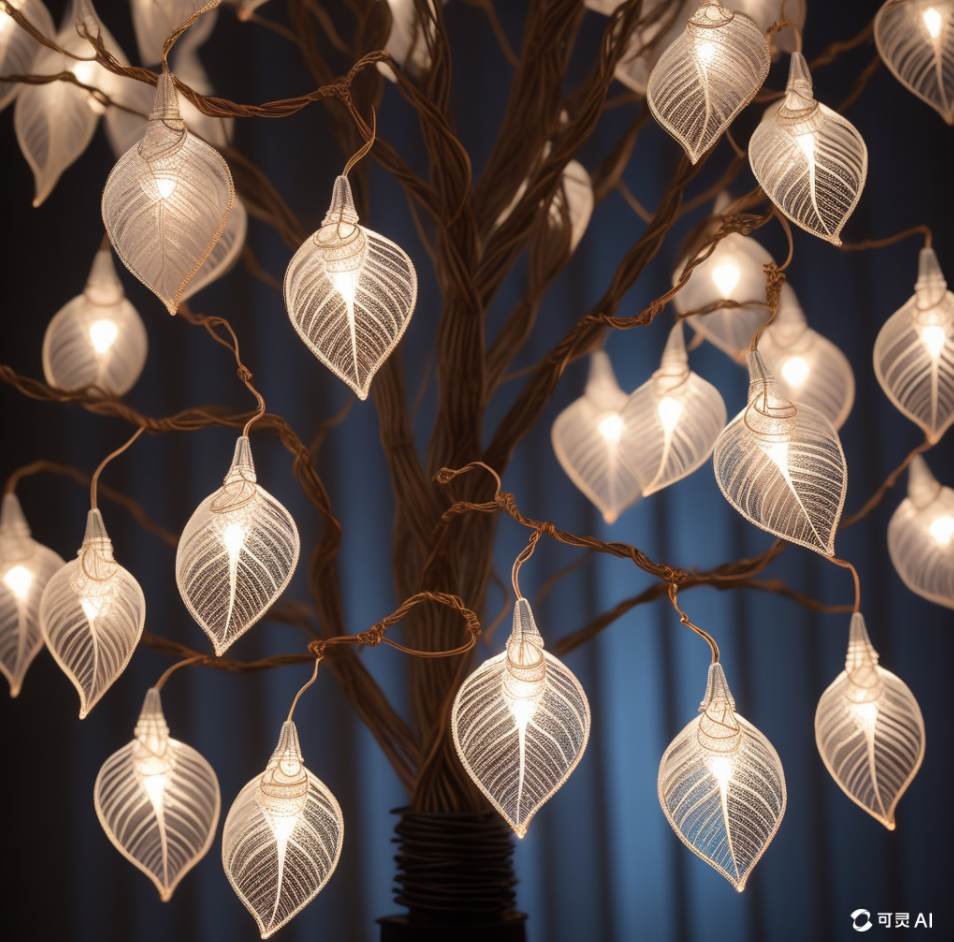
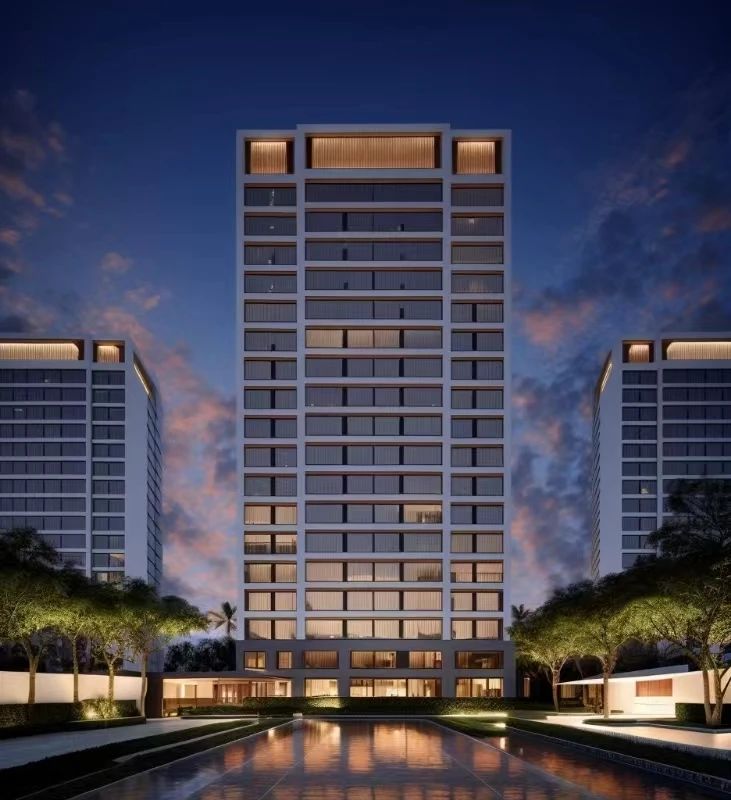
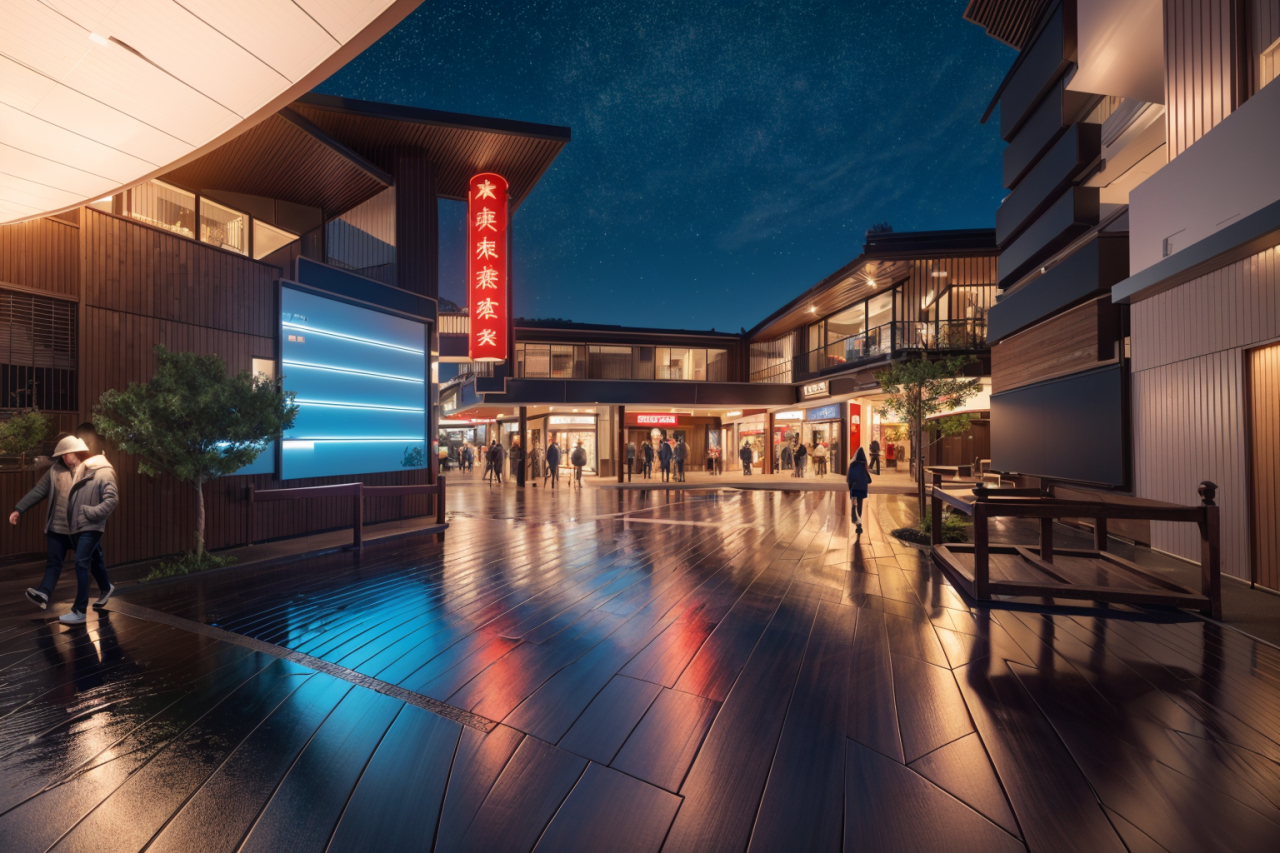
AIGC Portfolio
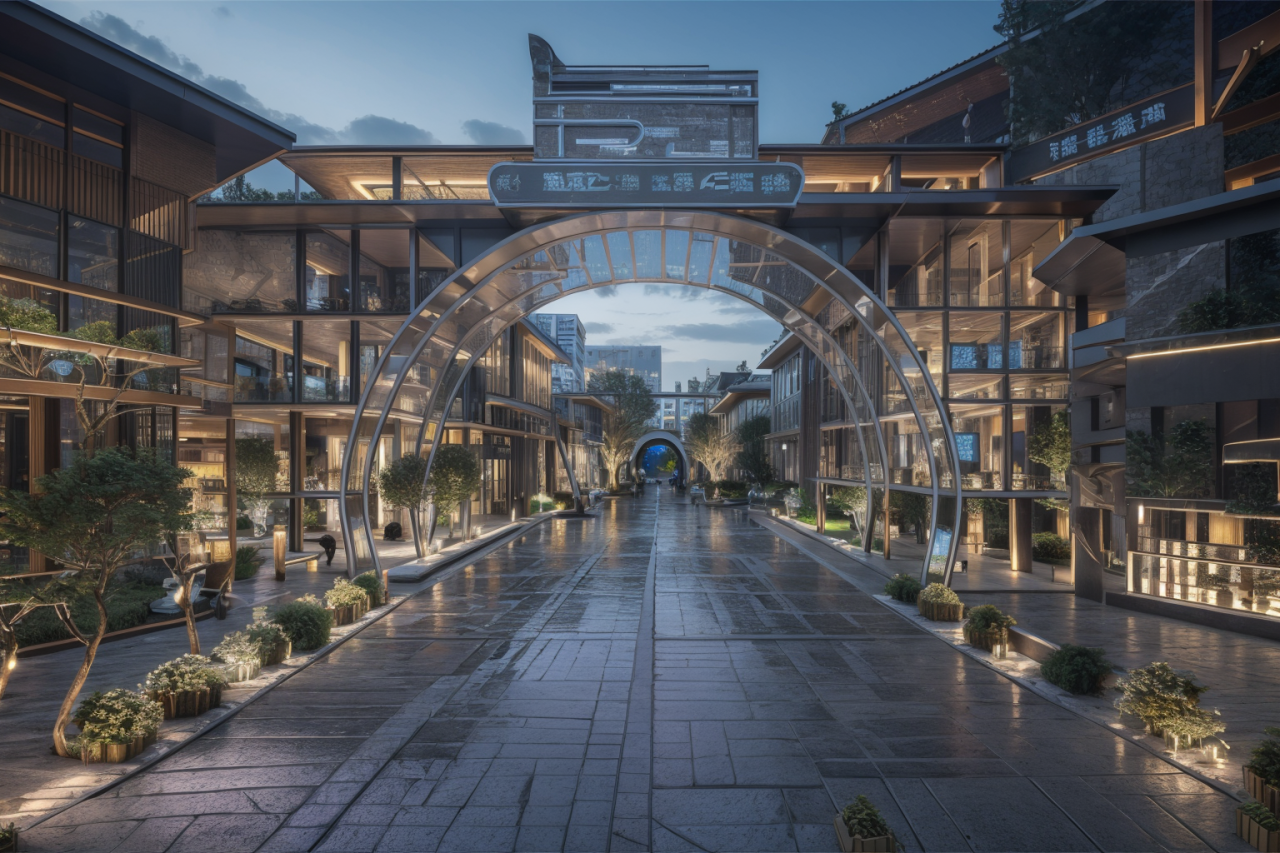
Project Showcase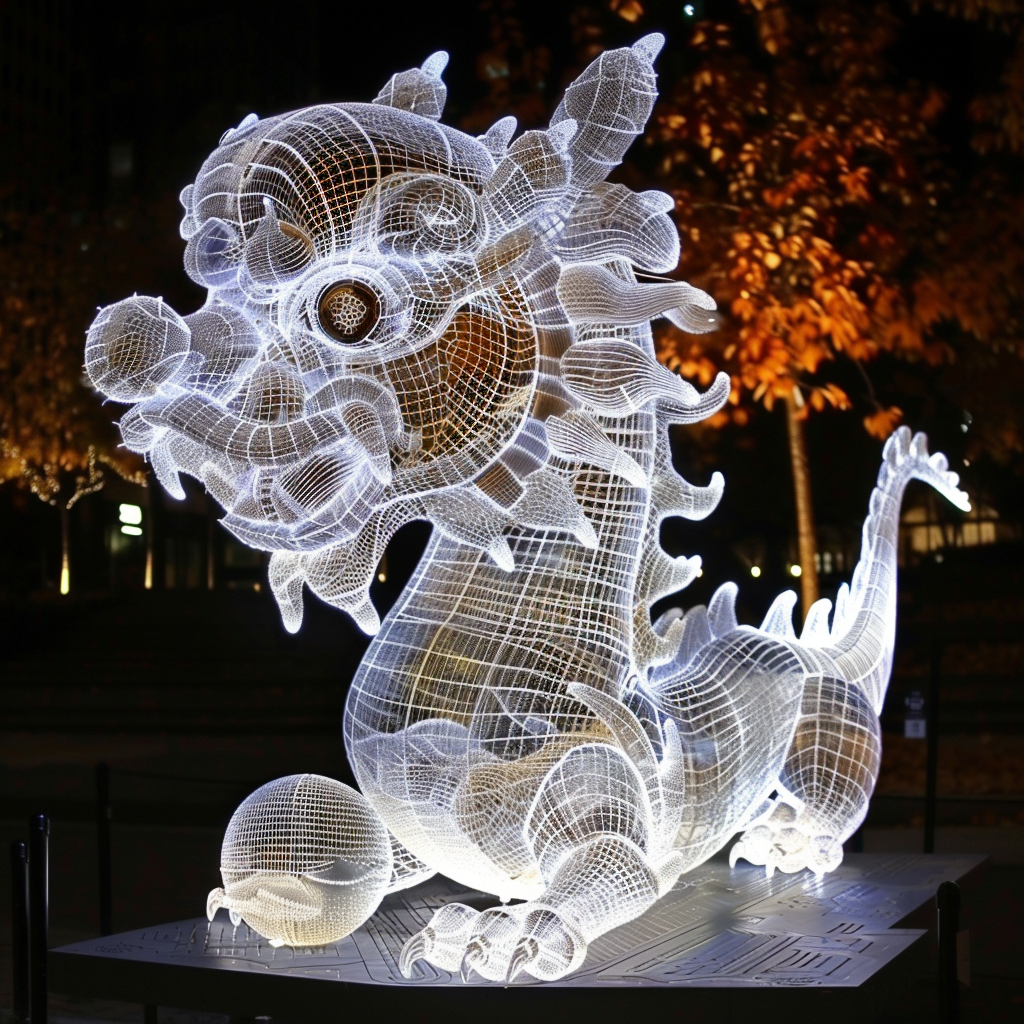
IV. Course Plan
Content Time Morning Afternoon September 21 I. Introduction to AI - Large Language Models, Image Generation Models, and Machine Learning Frameworks 1. What is AI 2. AI tools commonly used by lighting designers 3. Changes in design thinking brought by AI ① Guiding framework for large language models ② Rapid visual presentation ③ Unrestricted creativity and imagination II. Large Language Models 1. Introduction to Large Language Models 2. Evaluation of Large Language Models 3. How to Use GPT ① Text Capability – Replaces 95% of Manual Text Work ② Logical Framework Capability – Guides Design ③ Image Capability ④ Clarify your project through conversation ⑤ Natural Language Programming – What Everyone Should Know III. Practical Exercises 1. First Conversation with GPT 2. Comparative testing of similar products on the market: Wenxin Yiyan, Doubao, Kimi, and Claude 3; 3. Use GPT to complete a script and run it successfully IV. Introduction to Image Generation Models ① Principles of image generation models ② Comparison of mainstream image generation models and their scope of application V. MidJourney User Guide ① MJ Registration and Application ② Application of MJ in Lighting ③ Advantages and Limitations VI. Practical Exercises With the help of large language models, thematically generate "lighting installations, storylines for reference, schematic diagrams", etc. September 22 7. Stable Diffusion User Guide ① Introduction: SD core, UI, and shell ② Local installation of SD / Server installation on cloud platforms ③ Brief introduction to the SD interface 8. Practical Exercises Complete the cloud platform SD setup and become familiar with the operation interface ④ Operation demonstration: Boundary control and style control—essential for lighting designers ⑤ Operation demonstration: LoRA training—customize your style ⑥ SD extensions: Possibilities beyond webUI Practice and Demonstration: Learn to use SD to generate night scene renderings
V. Target Audience and Benefits
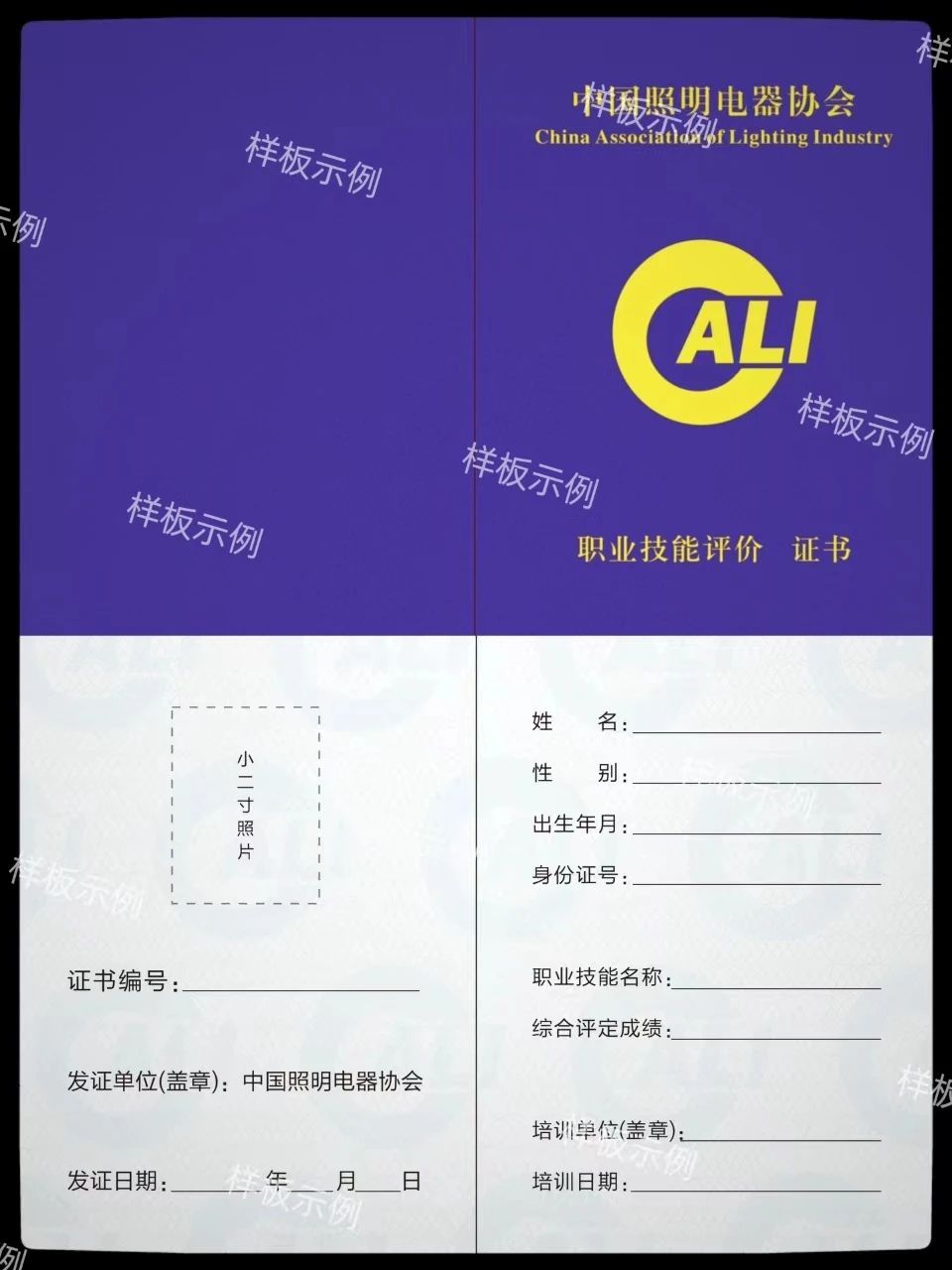
1. Target Audience: Professionals in the lighting industry with a certain foundation in Lighting design, practitioners in interior and exterior decoration fields, or individuals interested in AI technology and design. 2. Participant Benefits: (1) Two-day offline course with full learning and practical operation guidance; (2) One week before training starts, online basic tutoring; (3) Within one month after training ends, online review and Q&A; (4) Expand professional network within the lighting design community; (5) A completion certificate or professional competency evaluation certificate issued by the China Association of Lighting Industry (CALI). Certificate Category I Award conditions: A completion certificate for the “AIGC Lighting Design Seminar” is awarded in both of the following cases: 1. Meet the required training standard hours without participating in the assessment. 2. Completed the required standard training hours but failed the assessment. (Note: No retake is allowed for the vocational competency evaluation.) Certificate Category II Award conditions: After completing the required standard training hours, passing the vocational competency evaluation exam, one can obtain the "Intelligent Lighting Designer (AIGC)" Vocational Competency Evaluation Certificate. Note: 1. Participants must pay an examination fee of 500 per person when registering for the assessment. The assessment will be completed within one month after the training, with specific dates to be announced separately. 2. All certificates will be mailed within one month after the completion of the training.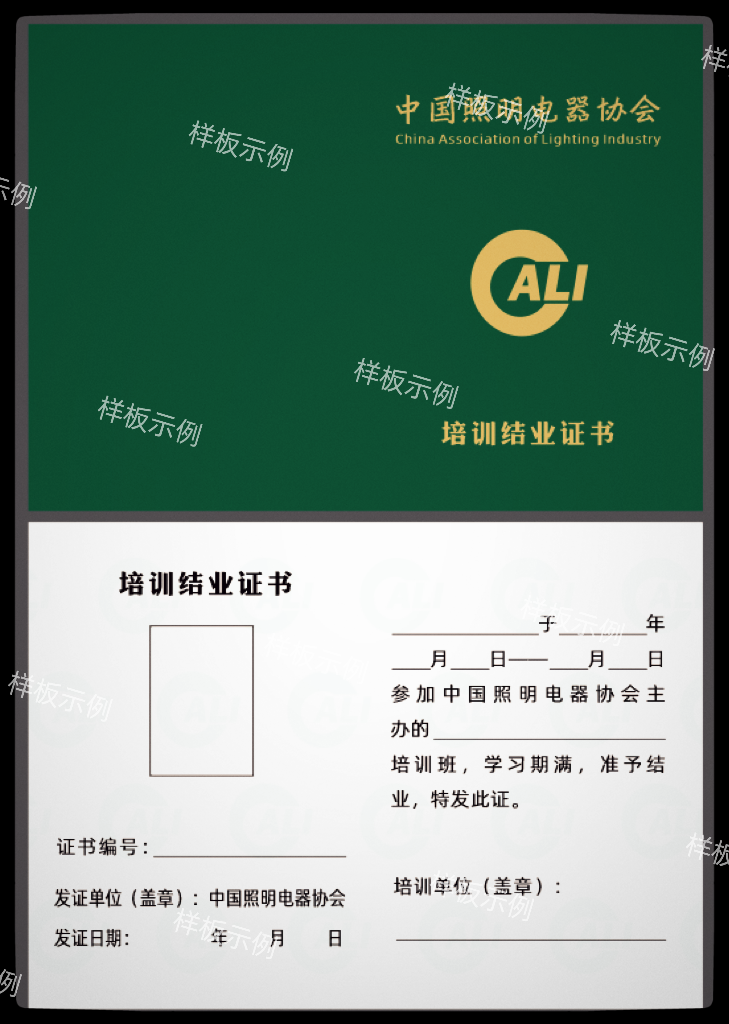
VI. Registration and Fee Standards
1. Fee standard: 2280 yuan/person (fees include training, pre-class tutoring, centralized post-class Q&A sessions, meals, etc.; transportation and accommodation are at your own expense). If you wish to take the professional competency evaluation exam, an additional examination fee of 500 yuan/person is required. Bank Transfer Information Account Name: Wuxi Lide Shidai Technology Co., Ltd. Bank: Industrial and Commercial Bank of China, Wuxi Xuelang Branch Account: 1103026509000033322
7. Contact Information
Student Registration: Ni Chenglong, Market Circulation and Service Professional Committee of China Lighting Association 13924928309 542140505@qq.com Registration and course inquiries: Secretariat of the Talent Training Working Committee, China Association of Lighting Industry (CALI) – Qiu Chun 15861553579 qiuchun@cali-light.com Registration and Certificate Inquiry: Hou Sha, China Association of Lighting Industry (CALI) 010-65135872 hous@cali-light.com