
Signify helps Davos achieve a green transition through LED lighting retrofit
Global lighting leader Signify (Euronext Amsterdam ticker: LIGHT) announced that it will replace street lights and luminaires in the conference center in Davos, helping the city achieve its sustainability goals through its high-quality energy-saving LED products. This week, political and business leaders from around the world will visit Davos to attend the World Economic Forum held here.
"For many years, Signify has been a regular participant at the World Economic Forum in Davos, making us aware of the role and contribution of LED retrofits to sustainable development," said Tarzisius Caviezel, Mayor of Davos. "The two lighting upgrades in the city are our positive response to global sustainability initiatives."
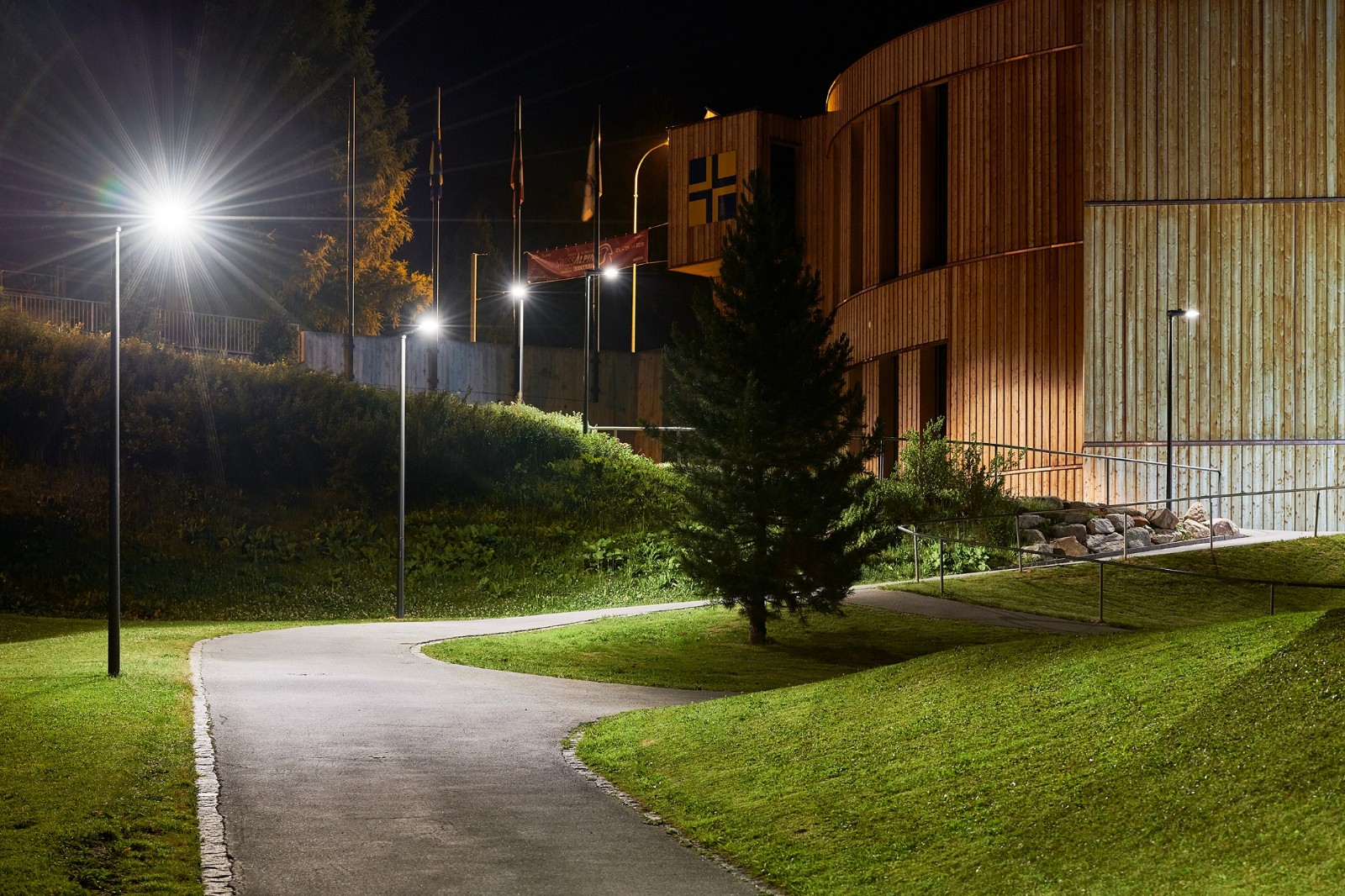
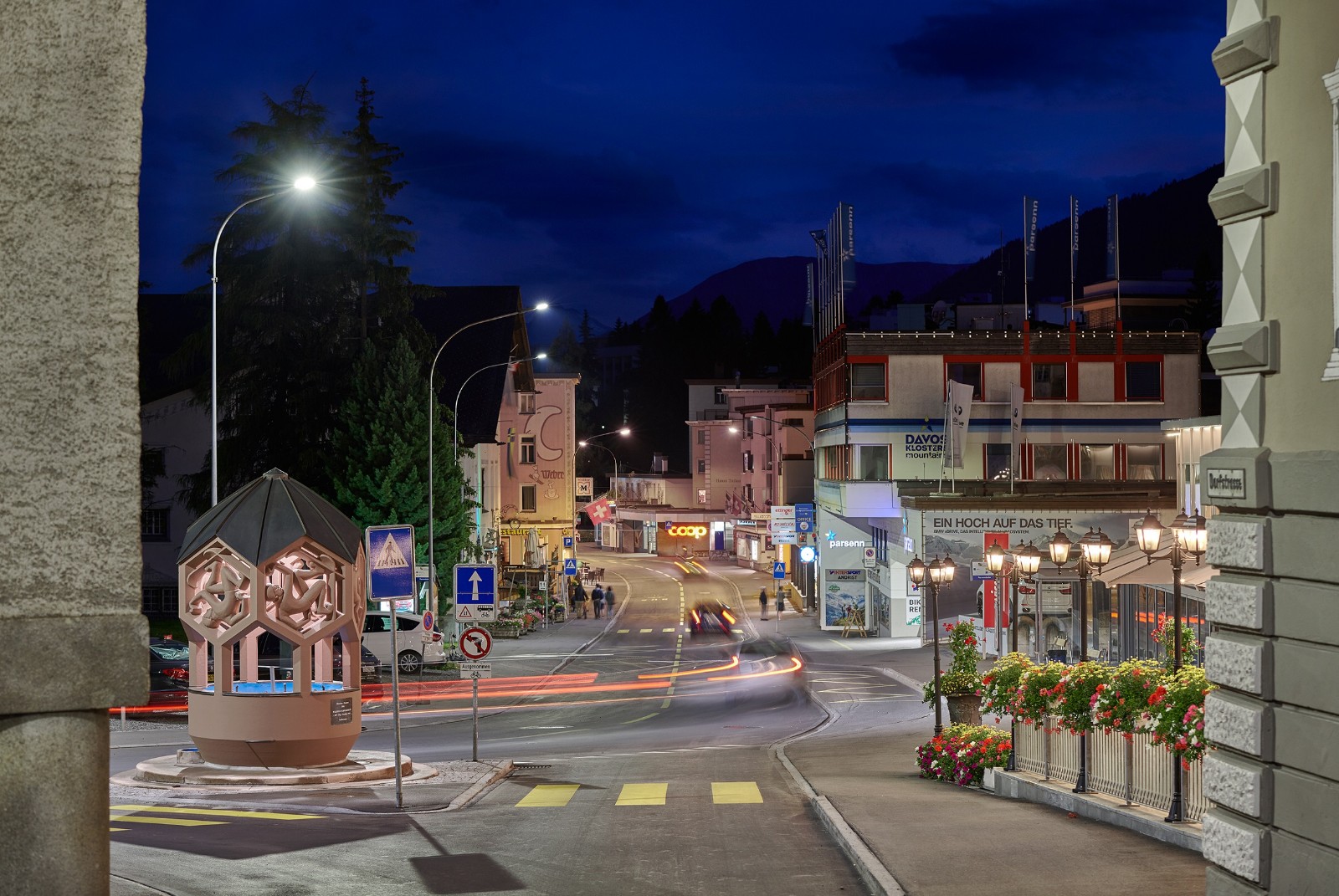
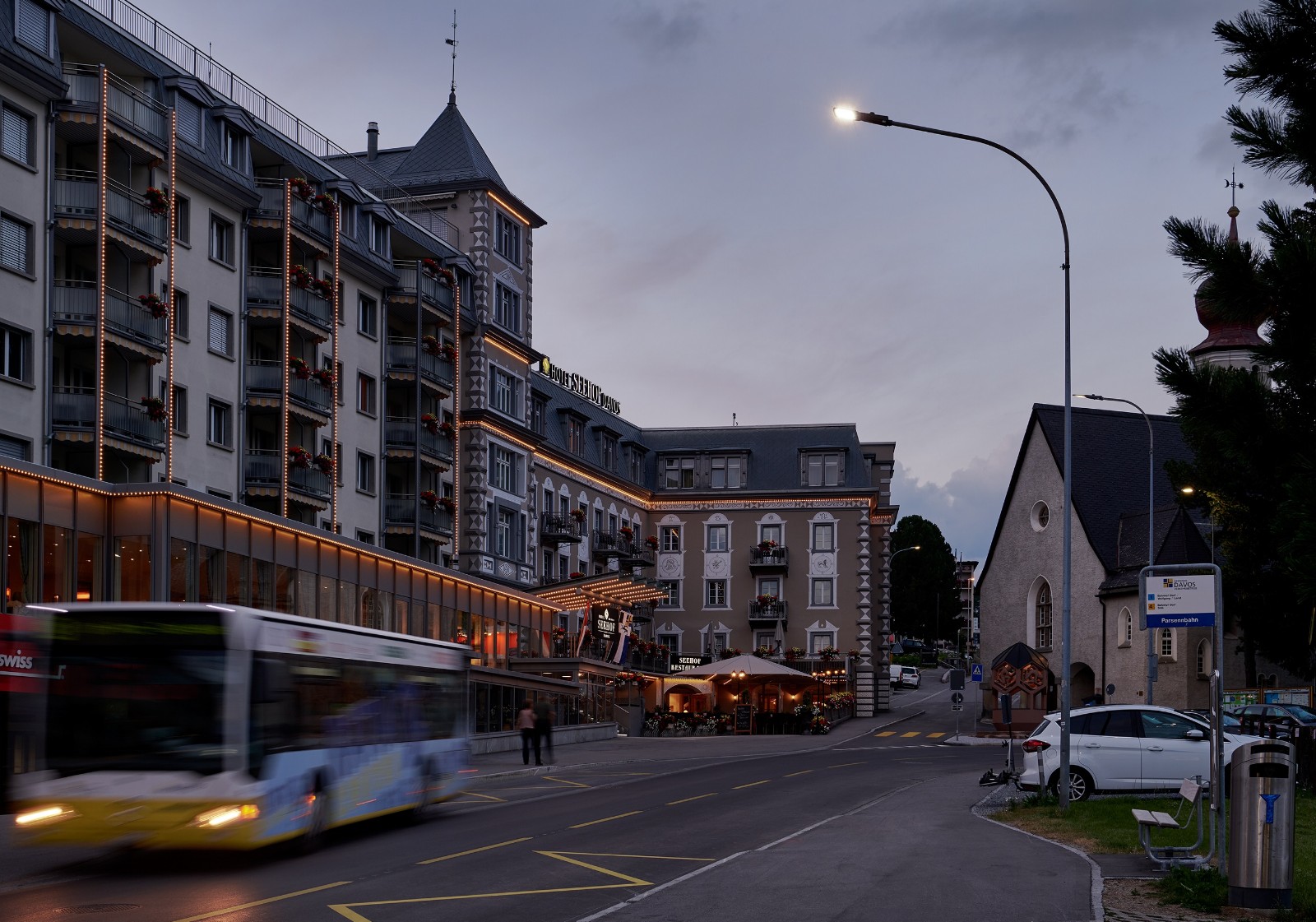
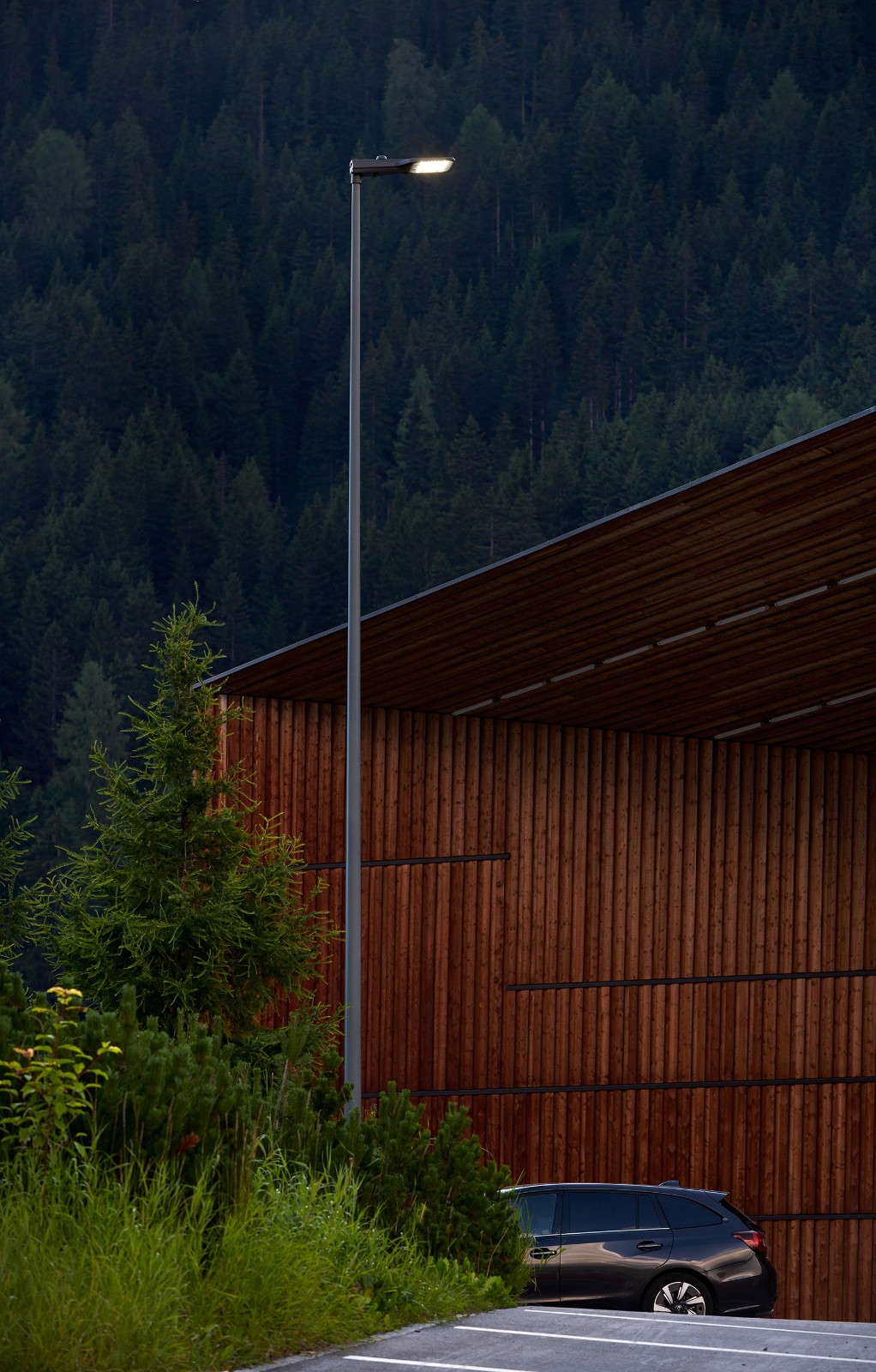
To date, Signify and its long-term partner ELEKTRON have successfully replaced 500 of the first 1,000 street lights in Davos, connecting 250 of these energy-saving LED street lights to Signify's cloud-based Interact City smart connected lighting system. This move is expected to save Davos 72,300 kWh of energy consumption annually. The Interact City smart connected lighting system allows remote management of lighting infrastructure; operators can easily achieve single-point or group control of street lights with simple clicks in the control program, making it easy to obtain usage data for each street light even with a large number of lighting assets. Davos plans to complete the city's LED retrofit within five to ten years.
Signify also carried out a lighting retrofit for the Davos Convention Center. After upgrading nearly 900 luminaires to LED, annual energy consumption is reduced by 50,000 kWh, cutting carbon emissions by 82%, equivalent to a reduction of 28 tons of CO₂. Signify also equipped the convention center with various Philips lighting products. More importantly, at the operator's request, Signify replaced the lighting control system with one that is fully compatible with the existing building management system and预留s upgrade capacity for future integration of new network technologies.
“We are delighted to witness this city, which hosts leaders from around the world every year, gradually transitioning to LED,” said Eric Rondolat, CEO of Signify. “The achievements of Davos are encouraging, but the leaders gathered here this week must also recognize that governments and businesses still have a long way to go to achieve global carbon neutrality by 2050. We hope this World Economic Forum will become a turning point for active global climate action and the pursuit of more ambitious sustainable development goals.”
During the World Economic Forum, Eric Rondolat will attend the “Stimulating Circular Innovation” panel discussion on January 22 and the “Driving Digital Transformation in Cities” seminar, further promoting his insights on sustainability. He will also moderate the “CEO Climate Leaders” meeting. On January 23, he will attend a luncheon hosted by Secretary-General António Guterres and deliver a speech at the launch event for the new round of United Nations Sustainable Development Goals (SDGs).
“Our current ‘take-make-waste’ economic model is unsustainable. Vigorously developing a circular economy is a key weapon for the global response to climate change,” said Eric Rondolat. “This approach expands the range of materials we can currently use, avoids resource depletion, and unleashes economic vitality.”
“For example, Signify recently launched 3D-printed luminaires for professionals and consumers,” added Eric Rondolat. “Compared with traditional manufacturing processes, 3D printing technology consumes less energy during raw material extraction and production, reducing the carbon footprint by 47%. If we use recyclable materials for production, such as making luminaires from 24 recycled old CDs, the cost savings can be further increased.”
Developing a circular economy helps promote economic growth, create jobs, and enhance the well-being of people worldwide. According to EU forecasts, by 2030, the net economic benefit of the circular economy could reach €1.8 trillion, equivalent to 7% of global GDP.
"Here I would like to quote Michael Braungart: 'Developing a circular economy is not about saving the planet, but about learning how to thrive on this planet,'" said Hong Anli.
China Light
The official website of the China Association of Lighting Industry and a full-media platform for the lighting sector. We provide authoritative and timely lighting information while striving to be a growth partner for businesses. From brand promotion and channel expansion to consulting, talent training and participation in standards development, we provide comprehensive professional services to help businesses improve quality and efficiency and jointly advance the high-quality development of the lighting industry.
Business Contacts
仇纯 (Ms.): 158 6155 3579
顾君 (Mr.): 137 7157 5253